Eclipsed Games: How the Solar Phenomenon Stole the Show in Sports
As the moon gracefully slid across the sun on Wednesday, a rare solar eclipse became the unexpected star of several major sporting events. Spectators at the UEFA Super Cup in Salzburg, where Aston Villa faced Paris Saint-Germain, found themselves momentarily distracted from the on-pitch drama as the skies dimmed over Austria.
The event, hailed as the most significant eclipse since 1999, cast its spell across Europe, offering a celestial interlude. In Birmingham, athletes competing in the European Athletics Championships stopped in their tracks to gaze upwards. The floodlights flickered on, not for the evening events, but to counter the mid-day twilight.
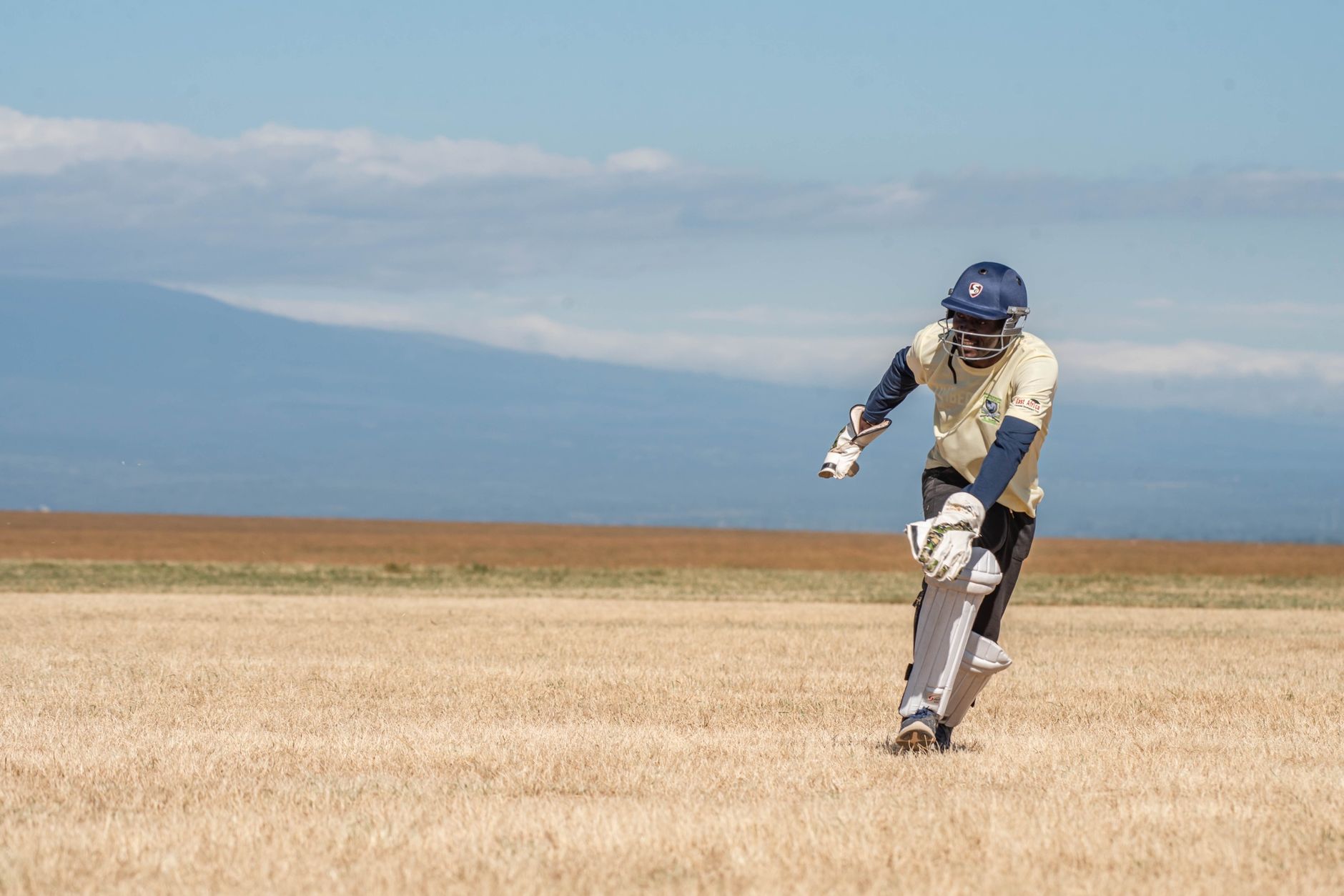
At Edgbaston, the crowd gathered for The Hundred cricket match donned eclipse glasses, witnessing a spectacle that transcended sport. The players, too, took a brief respite, peering through protective lenses, perhaps grateful for the pause amidst their high-octane exertions.
The phenomenon offered a poignant reminder of the universe's grandeur, even as it briefly overshadowed the human drama unfolding in stadiums. For many, the eclipse became a shared experience, uniting fans across disciplines and nations in a collective moment of awe.
Yet, as the shadow lifted, the games resumed, with Paris Saint-Germain clinching a hard-fought victory over Aston Villa. In Birmingham and Edgbaston, athletes and cricketers returned to their respective pursuits, invigorated by the cosmic spectacle they'd just witnessed.
Such interruptions are rare, but when they occur, they provide a vivid contrast to the usual rhythms of sport, reminding all present of their place in a much larger cosmos. As the eclipse faded from view, what lingered was a sense of shared wonder, a fleeting but profound connection to the celestial dance above.