Educators Unite in Mumbai to Rethink Primary Learning Strategies
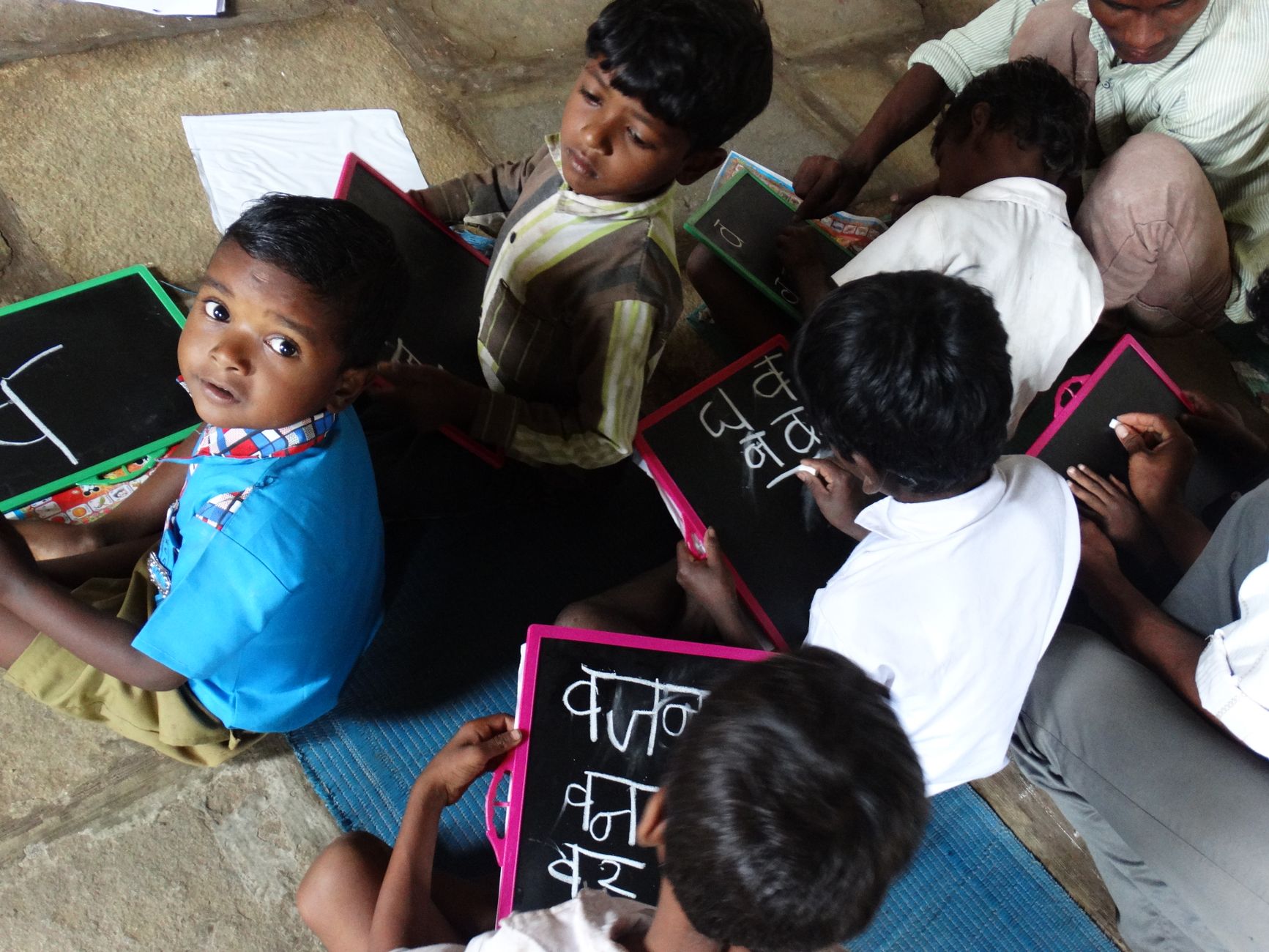
In the bustling city of Mumbai, known for its vibrant culture and relentless energy, a group of over 100 educators gathered with a singular purpose: to revolutionise the approach to primary education in India. The conference, held on a warm Saturday, was not just a meeting of minds but a convergence of experiences, aspirations, and innovative ideas.
Participants from diverse backgrounds shared their insights on the current state of primary education, shedding light on both its achievements and its challenges. The discussions were animated, reflecting a shared passion for nurturing the minds of young learners. One educator from Chennai mentioned, 'Our children are the future. We must equip them not just with knowledge but with the skills to navigate an ever-changing world.'
The significance of such gatherings lies in their potential to drive systemic change. In India, where primary education is freely provided by government schools, the emphasis often remains on rote learning. However, the educators in Mumbai are pushing for a curriculum that prioritises critical thinking and creativity.
Innovative Approaches
Several educators presented creative experiments they had tried in their own classrooms. From integrating technology to employing storytelling as a pedagogical tool, there was no shortage of ingenuity. 'We need to make learning engaging and relevant,' said a teacher from Kolkata, highlighting the importance of adapting teaching methods to the needs of the 21st century.
The gathering also served as a reminder of the historical roots of education in India, where temples once stood as centres of learning and skill development. Today, with over 12,000 primary schools, the challenge is to ensure that these institutions do not merely impart knowledge but inspire a lifelong love for learning.
A National Imperative
As the conference drew to a close, it was clear that the dialogue had only just begun. The educators left with renewed vigour, armed with fresh ideas and a sense of camaraderie. The consensus was clear: improving primary education is not just an educational goal but a national imperative.
The hope is that such collaborative efforts will lead to tangible changes, ensuring that India's young minds are nurtured in environments that encourage curiosity and innovation. As one participant aptly put it, 'Together, we can build a brighter future for our children.'