Egyptian Ape Fossil Could Rewrite Human Evolution Narrative
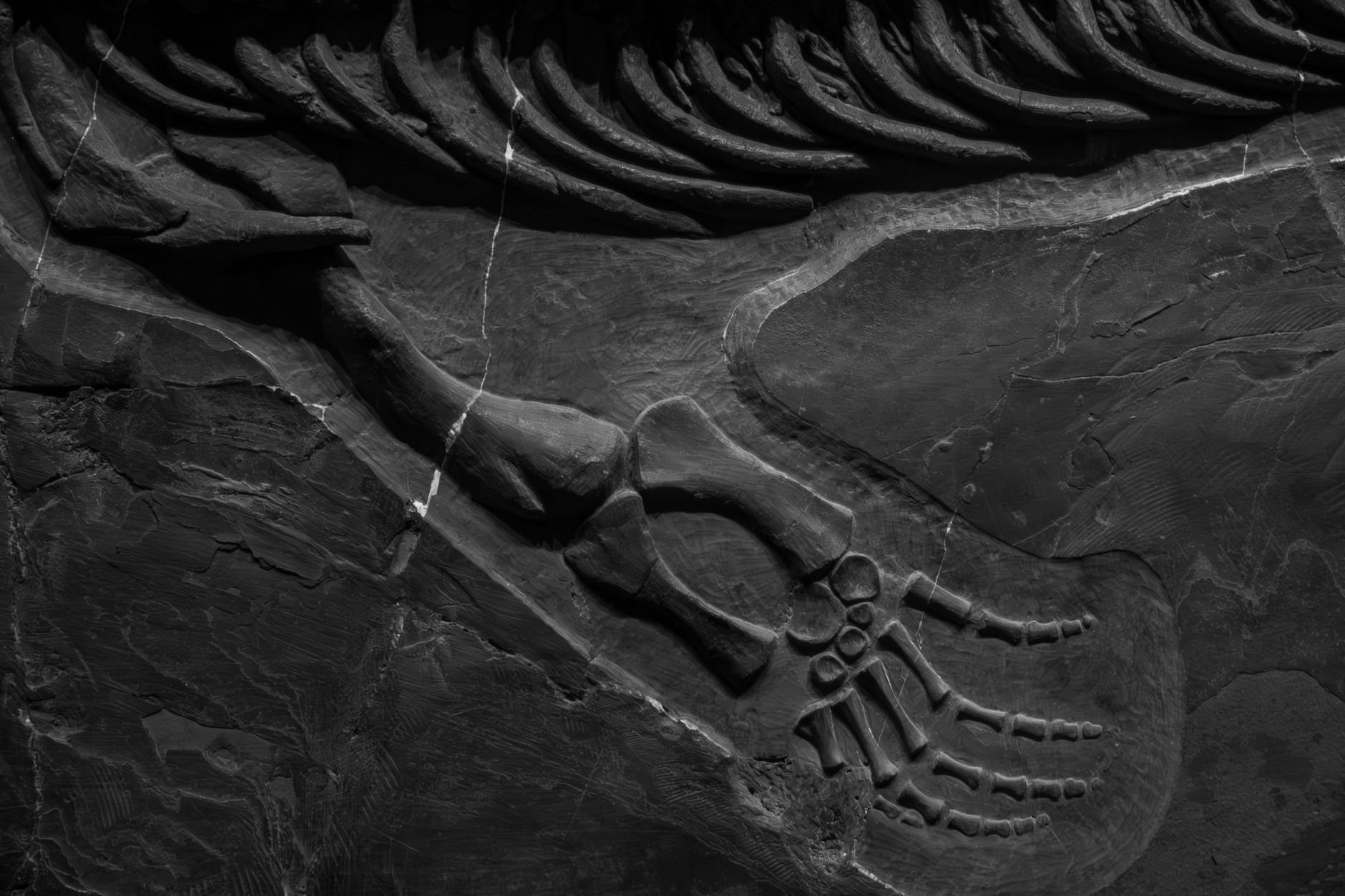
In the arid expanses of northern Egypt, a fossilised jawbone has emerged from the sands, potentially altering the widely accepted narrative of human origins. The fossil, attributed to a new species named Masripithecus moghraensis, suggests that the evolutionary cradle of modern apes may not solely reside within the well-trodden paths of East Africa.
Dating back some 17 to 18 million years, this ancient relic has prompted scientists to consider broader geographical influences on the evolution of apes. For decades, East Africa has been regarded as the principal stage in the drama of human ancestry. However, this discovery in Egypt hints at a more intricate evolutionary tapestry, weaving in threads from previously overlooked regions.
A New Evolutionary Crossroads
The implications of this discovery are significant. By integrating anatomical data from both extinct and living apes, alongside DNA sequences from modern species, researchers have utilised sophisticated statistical methods to place Masripithecus firmly within the broader framework of ape evolution. This not only fills a critical geographic gap but also posits northern Egypt as a potential evolutionary crossroads.
While the precise role of this species in the grand scheme of our ancestry remains under investigation, its existence undeniably complicates the narrative. It underscores the possibility that ancient apes were more widespread across Africa than previously thought, suggesting that our evolutionary history might have been shaped by a confluence of influences from various regions.
Why It Matters
The ramifications of this discovery extend beyond academic circles. They challenge the conventional wisdom and invite a reevaluation of the factors that contributed to the emergence of modern apes and, by extension, humans. With every fossil unearthed, our understanding of human evolution grows more nuanced, highlighting the dynamic and ever-changing nature of scientific inquiry.
As researchers continue to scrutinise the fossil record, the story of human origins becomes richer and more complex. The Masripithecus fossil is a reminder that the sands of time still hold many secrets, waiting to be uncovered by those willing to look beyond established paradigms.