Egyptian Fossil Discovery Could Alter Human Evolution's Map
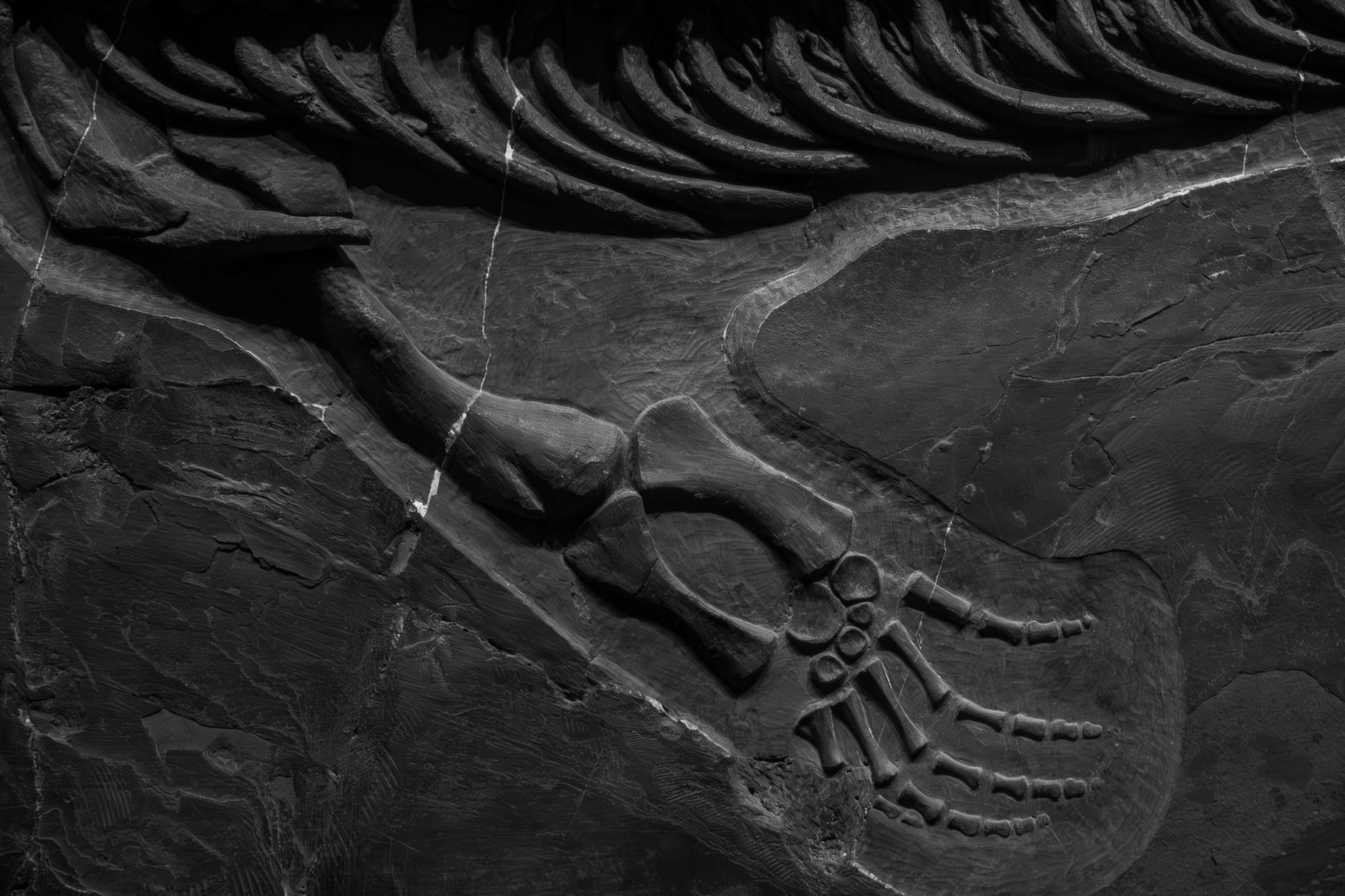
In the windswept deserts of Egypt, where time seems to stand still, a discovery has emerged that could turn the story of human origins on its head. The fossil of an ancient ape, Masripithecus moghraensis, has been unearthed, suggesting that our evolutionary narrative may need a significant rewrite.
This fossil, dating back approximately 18 million years, has been found in the Moghra Oasis of Egypt by an international team of researchers. Its discovery challenges the long-held belief that early apes and human ancestors predominantly hailed from East Africa. Instead, it paints a more complex picture of our past, hinting at a northern evolution that includes North Africa as a significant player.
The implications of this find are profound. If early apes were indeed spread across a wider geographical area, it suggests that the evolutionary pressures and environmental conditions that shaped them were more varied than previously thought. This could lead to a re-evaluation of the evolutionary traits deemed critical in the development of modern apes and humans.
A New Chapter in Ape Evolution
Professor Hesham Sallam, who led the study, remarked that the discovery of Masripithecus moghraensis provides new insights into the Miocene epoch, a period critical for understanding the divergence of apes and human ancestors. "This find forces us to reconsider the geographical and environmental context in which key evolutionary developments occurred," he stated.
Historically, East Africa's Great Rift Valley has been considered the cradle of ape evolution. However, this new evidence from the Egyptian desert suggests that our lineage's roots might spread wider than previously acknowledged. The discovery also raises the possibility that other yet-undiscovered fossils in North Africa could further illuminate the evolutionary journey.
Why It Matters
The ramifications of this discovery extend beyond academic circles. Understanding the true origins of apes and humans can provide insights into migration patterns, climatic shifts, and the adaptability of species to changing environments. It challenges scientists to look beyond established narratives and explore new hypotheses about our distant past.
As research continues, the Masripithecus moghraensis fossil could become a pivotal piece in the puzzle of human ancestry. It serves as a reminder that the story of evolution is as dynamic and unpredictable as life itself, with each new discovery offering a fresh perspective on the intricate tapestry of our history.