Egyptian Fossil Discovery May Redefine Human Evolution
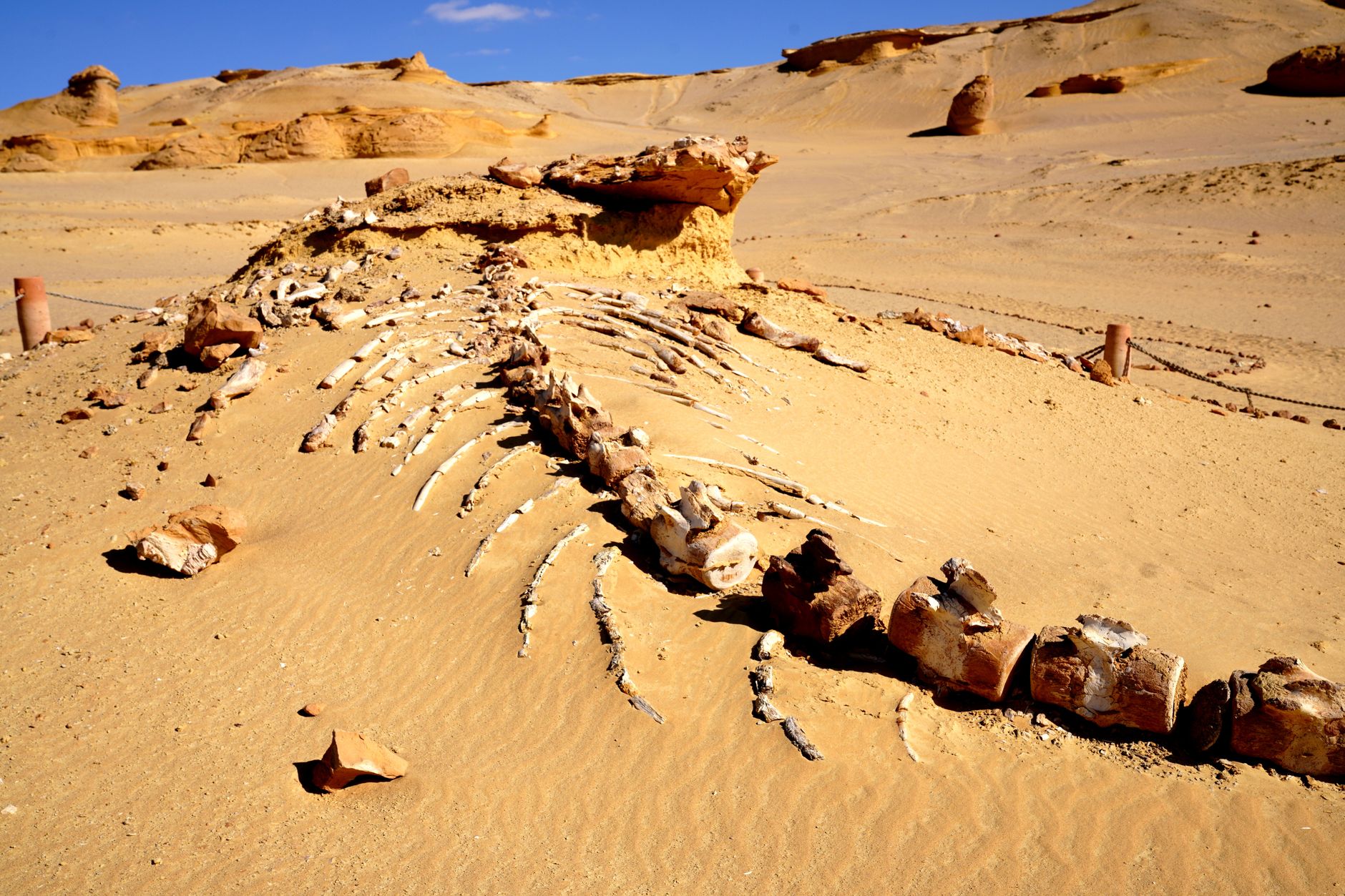
In a discovery that could reshape the very foundations of our understanding of human evolution, an international team of researchers has unearthed the fossilised remains of an ancient ape, Masripithecus moghraensis, in the deserts of Egypt. Dating back approximately 17 to 18 million years, this fossil challenges the long-held belief that the origins of modern apes and humans are solely rooted in East Africa.
The fossil, primarily a jawbone, was found in the Moghra Formation, a geological site that has proven to be a treasure trove of ancient life. The implications of this find are profound, suggesting that our early ancestors may have roamed the North African terrain much earlier than previously thought.
Professor Hesham Sallam, a leading figure in the study, remarked, "This discovery forces us to rethink the migratory patterns and habitats of our early ancestors. It opens up a new chapter in the story of human evolution."
Challenging Established Narratives
For decades, East Africa has been considered the epicentre of human evolution, home to the famous Olduvai Gorge and the Great Rift Valley. However, the presence of Masripithecus moghraensis in Egypt points to a more complex narrative. It suggests that the evolutionary path of primates was not confined to a single region, but rather spanned across diverse and widespread habitats.
Dr. Ahmed El-Barkooky, a palaeontologist involved in the excavation, explained, "The fossil evidence from Egypt provides a new perspective on the geographical spread of early apes. It underscores the possibility that North Africa played a crucial role in the evolutionary history of primates."
Implications for Human Evolution
This revelation could have significant implications for our understanding of human evolution. The notion that early apes inhabited a broader range of environments suggests adaptability and resilience, traits that may have been crucial in the evolutionary journey towards modern humans.
While more research is needed to fully understand the implications of this find, one thing is clear: the story of human evolution is far more intricate than previously imagined. As scientists continue to dig deeper into the sands of time, each new discovery adds a layer of complexity to our understanding of where we come from.