El Niño: Unravelling Its Global Weather Impact
As the Pacific Ocean warms, the world's weather patterns are feeling the heat. El Niño, a recurring climate phenomenon, is once again in the spotlight. This time, it promises to be particularly influential, according to the National Oceanic and Atmospheric Administration (NOAA). But what exactly does this mean for our global climate?
Changing Rainfall Patterns
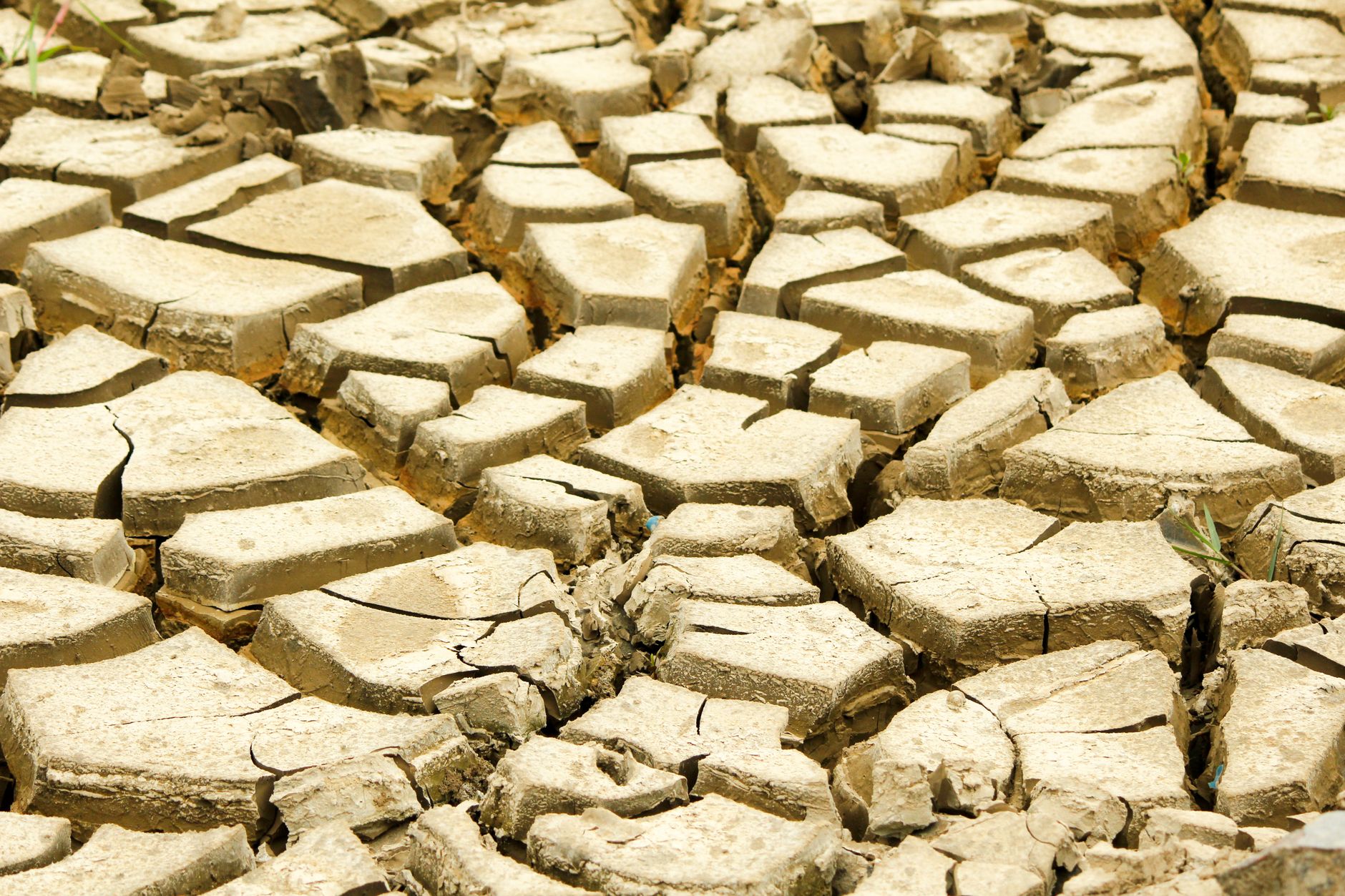
One of the most immediate effects of El Niño is the alteration of rainfall patterns. For regions like Southeast Asia and Australia, this often means drier conditions, potentially leading to drought. Conversely, parts of North and South America may experience heavy rainfall and even flooding. This shift in precipitation not only affects agriculture but also water supply and natural ecosystems.
Increased Hurricane Activity
El Niño is notorious for its influence on hurricane activity. While it tends to suppress hurricanes in the Atlantic, it can enhance their activity in the Pacific. This year, forecasters are predicting a busier hurricane season in the Pacific, which could have serious implications for countries along its coastlines.
Global Temperature Rise
Beyond storms and rain, El Niño contributes to global temperature increases. By releasing heat stored in the ocean into the atmosphere, it can push global temperatures upward. This phenomenon was partly responsible for record temperatures during past El Niño events, an unsettling prospect as the planet already grapples with climate change.
The effects of El Niño extend beyond immediate weather changes. Its teleconnections, as scientists call them, mean that its influence can be felt thousands of kilometres away. From increased heatwaves in India to altered monsoon patterns, understanding these connections is vital for preparing and adapting to its impacts.
As El Niño continues to develop, the world watches with a mix of anticipation and concern. For scientists and policymakers alike, it underscores the importance of climate research and international cooperation in mitigating its impacts.