El Niño's Forces: From Tokyo's Rain to Chile's Blossoming Deserts
In a striking turn of climate-driven events, El Niño has once again made its presence felt across the globe, from the bustling streets of Tokyo to the arid expanses of Chile's Atacama Desert. Tokyo, a city accustomed to technological marvels rather than natural ones, found itself drenched in record-breaking rainfall, prompting concerns over urban flooding and infrastructure resilience.
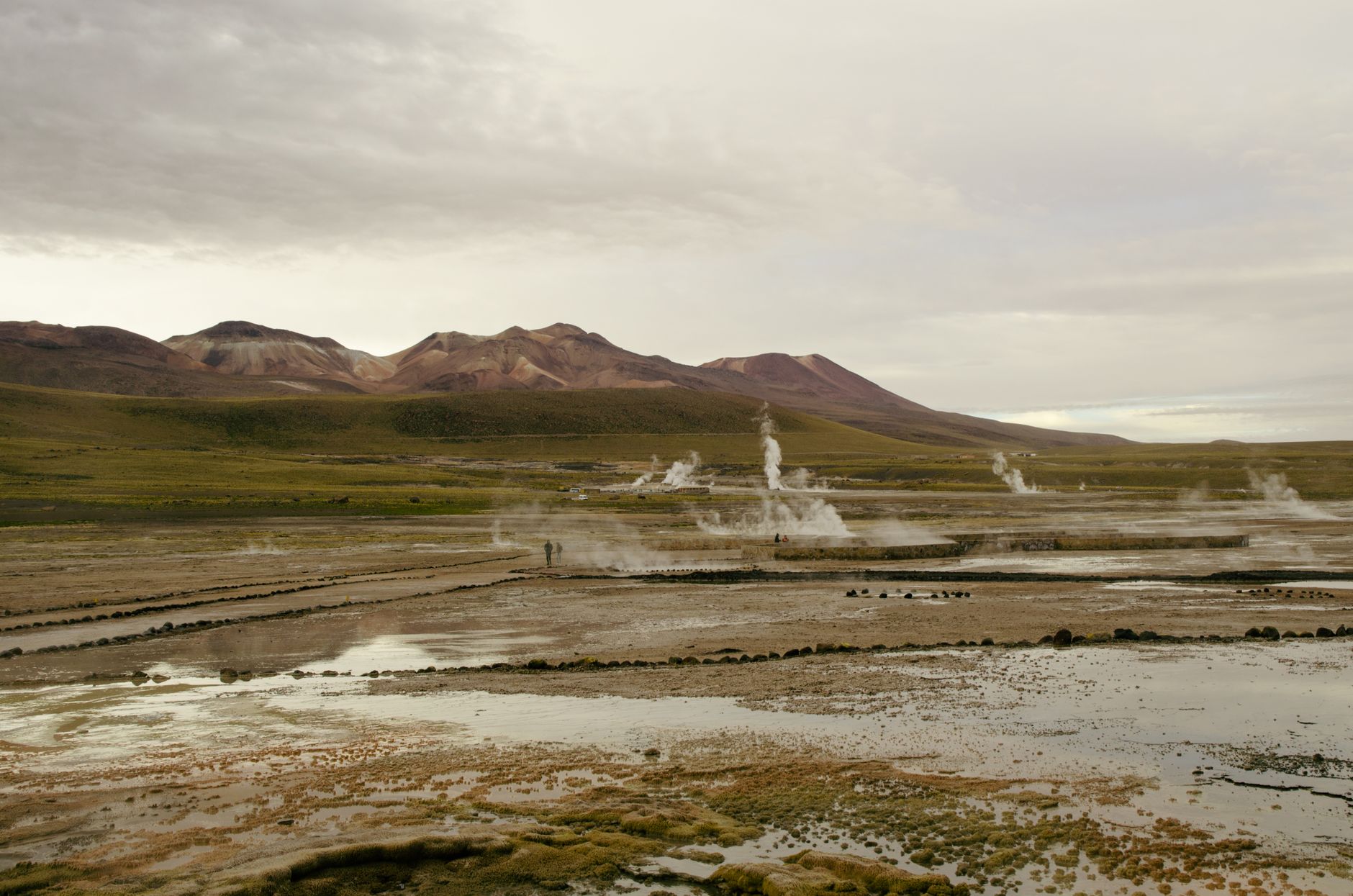
Meanwhile, halfway across the world, the Atacama Desert, known as the driest place on Earth outside the polar regions, is experiencing a transformation of its own. The 'Desierto Florido', or flowering desert, has burst into a vivid display of colour, spreading over 6,560 square miles. This rare occurrence, last seen in such magnitude in 1997, owes its existence to the same super El Niño that inundated Tokyo.
The Science Behind the Spectacle
El Niño, a complex weather pattern resulting from variations in ocean temperatures in the Equatorial Pacific, has far-reaching effects. In Tokyo, this has translated into unprecedented rainfall, while in Chile, it means dormant seeds lying beneath the Atacama's harsh sands have been coaxed into bloom by the unexpected deluge.
The spectacle in Chile is not merely for the eyes. The blossoming desert supports a temporary yet vital ecosystem of insects and wildlife, drawing tourists and scientists alike. These events, although enchanting, also serve as a reminder of the fragility and interconnectedness of our climate systems.
Beyond the Blooms
While Chile basks in this floral wonder, the situation in Tokyo underscores the challenges of urban planning in the face of climate change. As cities worldwide grapple with similar issues, the need for sustainable infrastructure that can withstand such climatic extremes becomes ever more pressing.
In both regions, El Niño has demonstrated its dual capacity to create and disrupt. As the world observes these phenomena, the focus must also shift towards understanding and adapting to these climate patterns, ensuring that future generations can witness nature's beauty without suffering its wrath.