El Niño's Global Weather Impact: Unravelling the Complexities
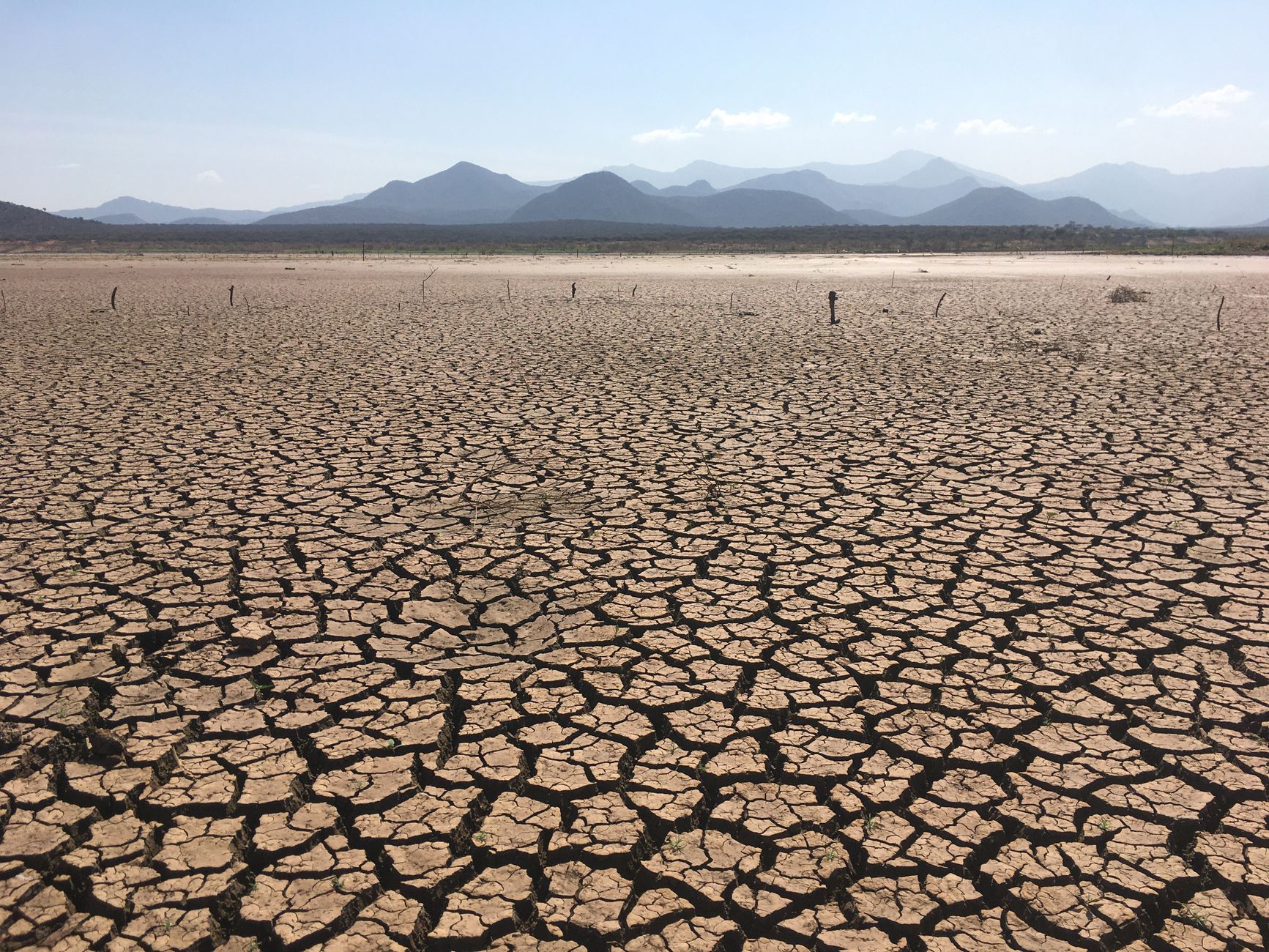
As the world braces for another bout of El Niño, the climate phenomenon known for its capricious nature, the implications are already being felt across the globe. From torrential rains in South America to searing droughts in Africa, the effects are as varied as they are widespread.
The Pacific's Turbulent Waters
El Niño primarily originates in the Pacific Ocean, where it disrupts the normal patterns of trade winds and sea surface temperatures. This disruption is not a mere localised event; its ramifications are palpable thousands of miles away. The Pacific, often considered the epicentre of this climatic upheaval, sees an increase in hurricane activity, bringing with it the threat of devastating storms.
Droughts and Deluges
However, the effects are not limited to the Pacific. In Africa, particularly the southern regions, El Niño is notorious for causing severe droughts, endangering food security and livelihoods. Conversely, parts of South America experience excessive rainfall, often leading to flooding and landslides. These contrasting impacts underscore the complexity of El Niño's reach, which scientists attribute to a phenomenon known as teleconnections.
Global Implications
Beyond the immediate weather disturbances, El Niño can alter agricultural productivity, affect water resources, and even influence the global economy. The phenomenon's ability to modify jet streams and influence storm tracks means its effects can be felt as far afield as North America and Europe, where unusual weather patterns disrupt everyday life.
Though the science of El Niño is well-established, its exact impacts can be unpredictable. Researchers continue to refine their models to better forecast its behaviour, offering a glimmer of hope in mitigating its adverse effects. As the world contends with this natural yet formidable force, the need for international cooperation and preparedness becomes ever more pressing.