Election Commission's Clarification Sparks Political Debate
The Election Commission of India (ECI) has found itself at the centre of a political maelstrom following its latest clarification on the Special Intensive Revision of electoral rolls. This seemingly mundane administrative note has, however, fanned the flames of a fierce debate between the country's leading political parties.
Chief Minister N Chandrababu Naidu, leader of the BJP ally Telugu Desam Party (TDP), lauded the ECI's note as a 'unanimous clarification' that dispels any lingering doubts. In a statement brimming with vindication, Naidu remarked, 'It puts to rest all the misconceptions'. His words were echoed by other BJP allies, who accused opposition parties of peddling misinformation to tarnish the Commission's image.
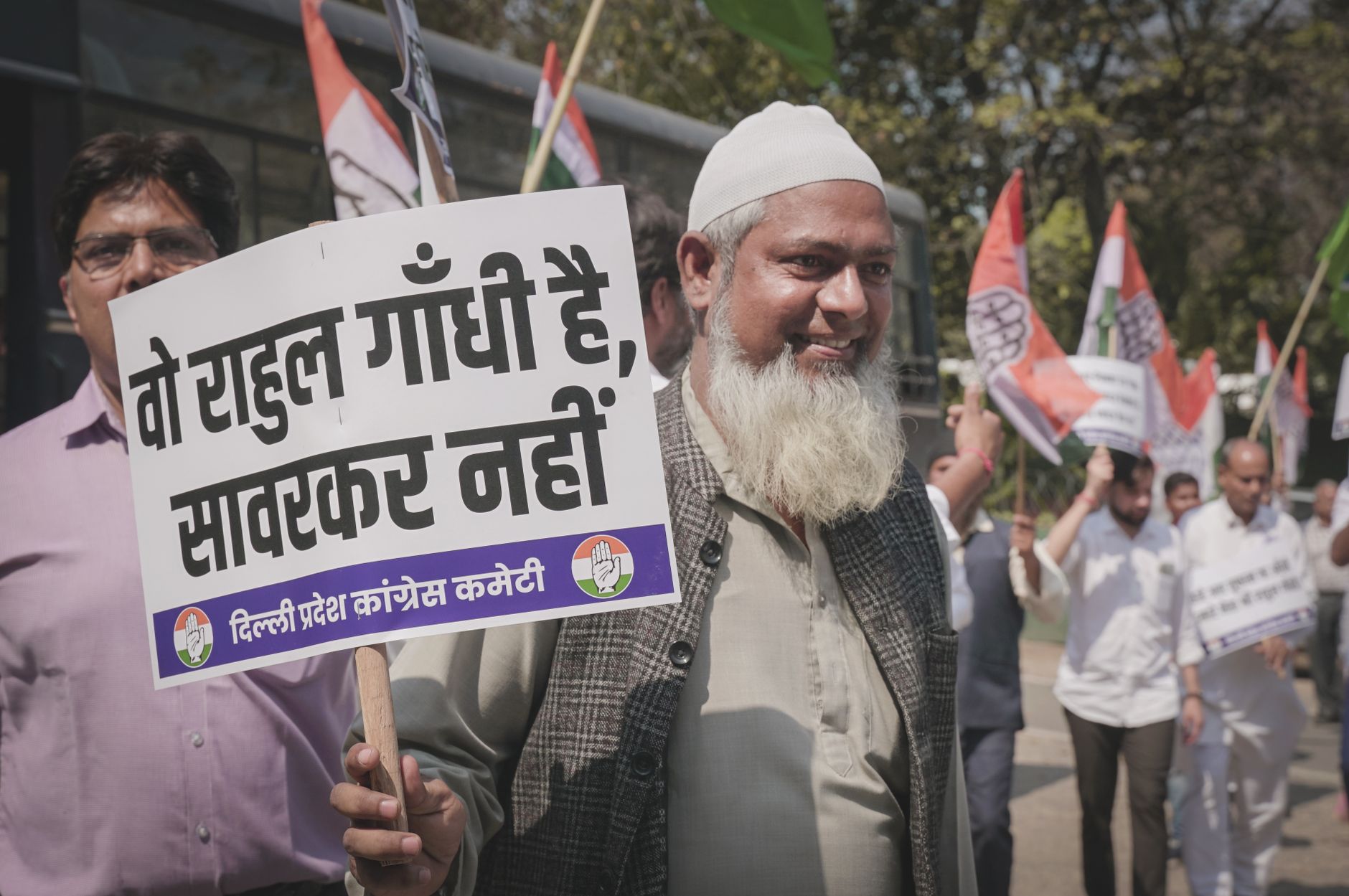
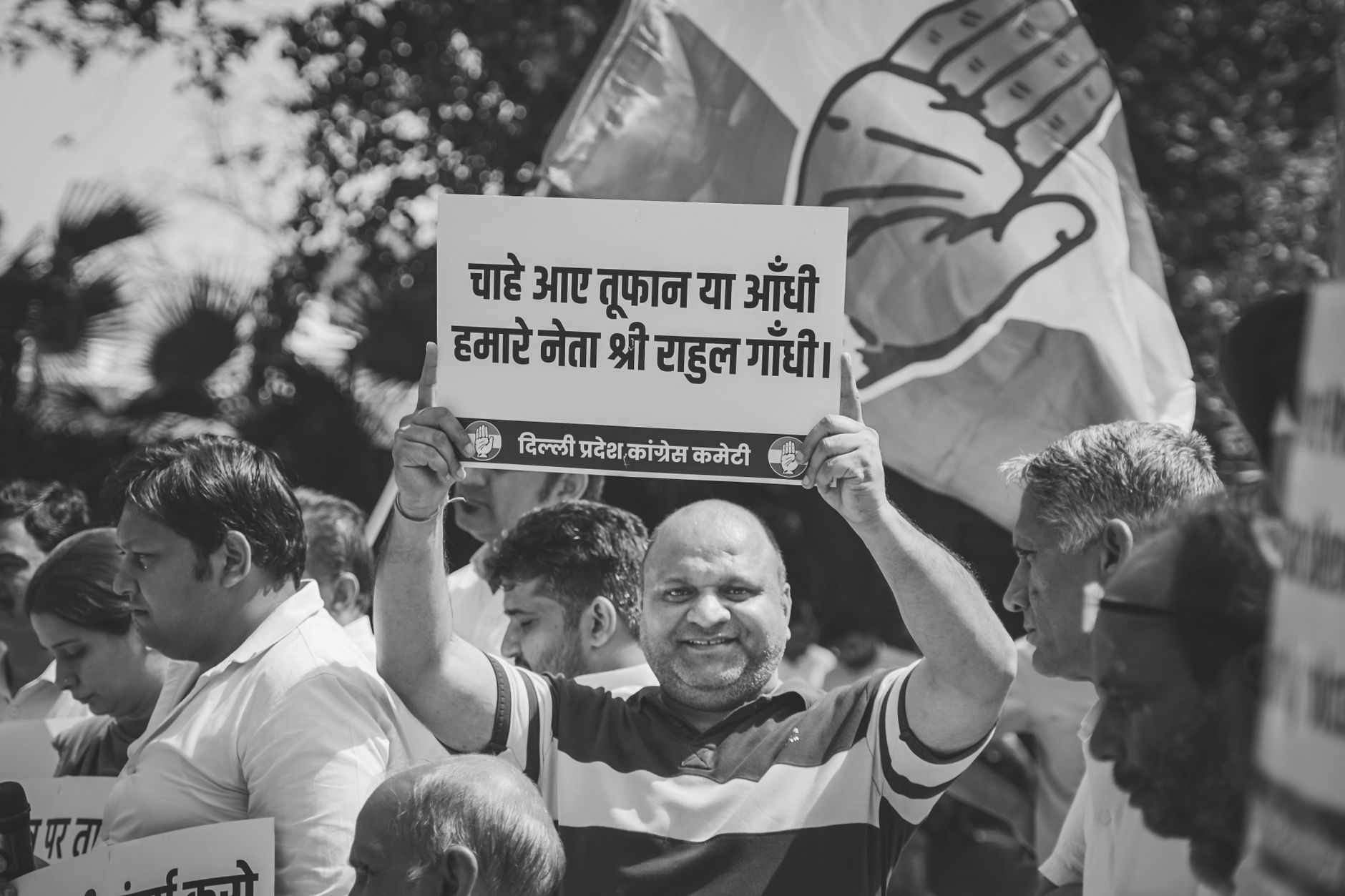
On the opposite end of the spectrum, the Congress party remains unimpressed. Dr Pooja Tripathi, a Congress spokesperson, lambasted the ECI's response, branding it an 'assault on democracy'. Tripathi's critique focused on allegations of voter list manipulations and internal governance issues, demanding accountability and transparency.
The BJP, unsurprisingly, stood firm in its defence of the ECI. Party officials dismissed the allegations as nothing more than the opposition's 'defeat anguish', a desperate attempt to undermine the electoral process after successive electoral setbacks.
However, the heart of the matter is not merely about political point-scoring. This episode underscores a deeper issue within Indian politics: the trust deficit between electoral institutions and the electorate. As the world's largest democracy, India prides itself on its robust electoral machinery, yet the persistent allegations of bias and manipulation suggest a troubling erosion of faith.
As the political dust settles, the Election Commission's role and its perceived impartiality remain under scrutiny. Whether this clarification will indeed silence critics or merely add to the cacophony of claims and counterclaims, only time will tell.