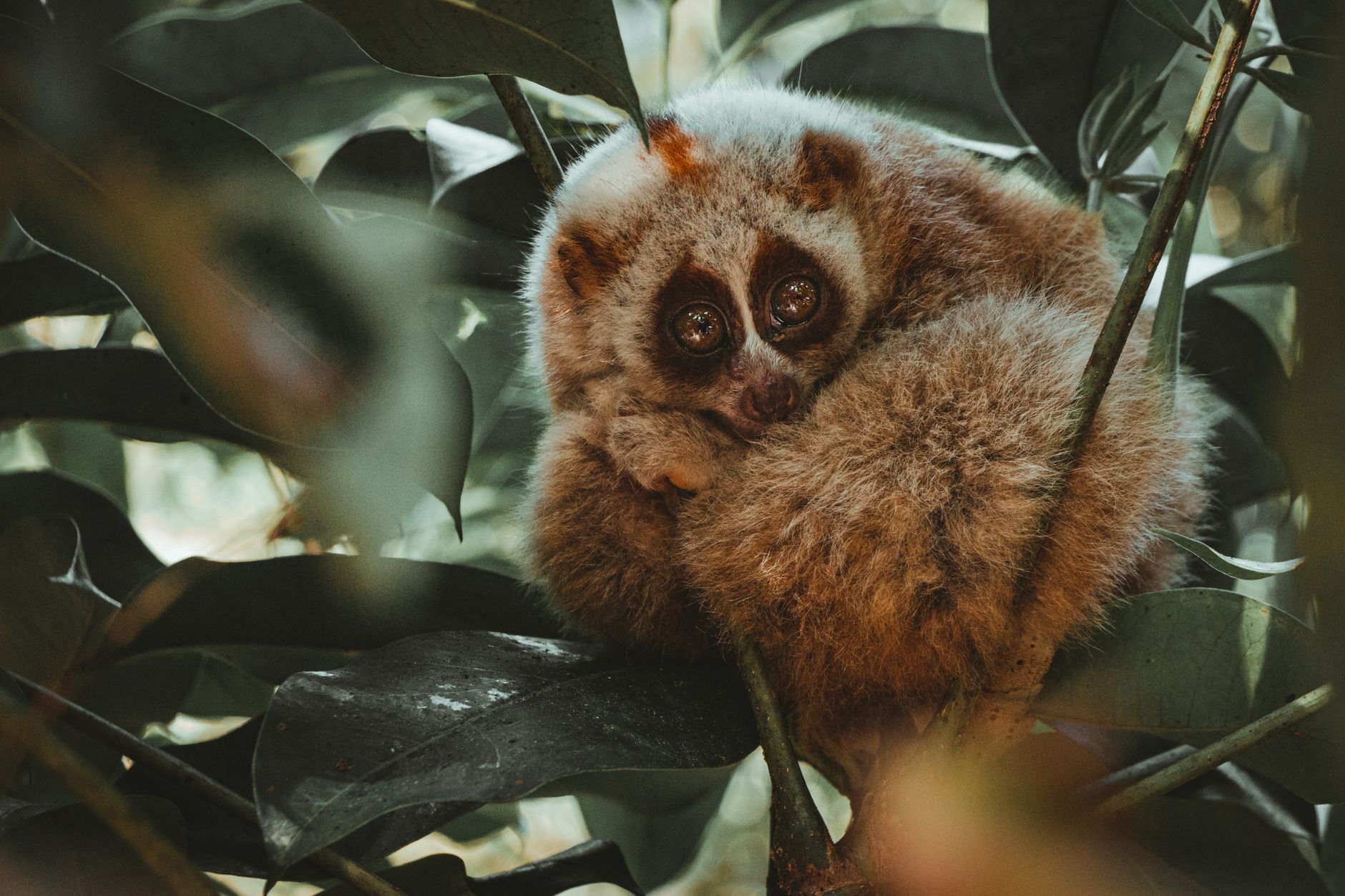
Elusive Bangka Slow Loris Rediscovered in Indonesia
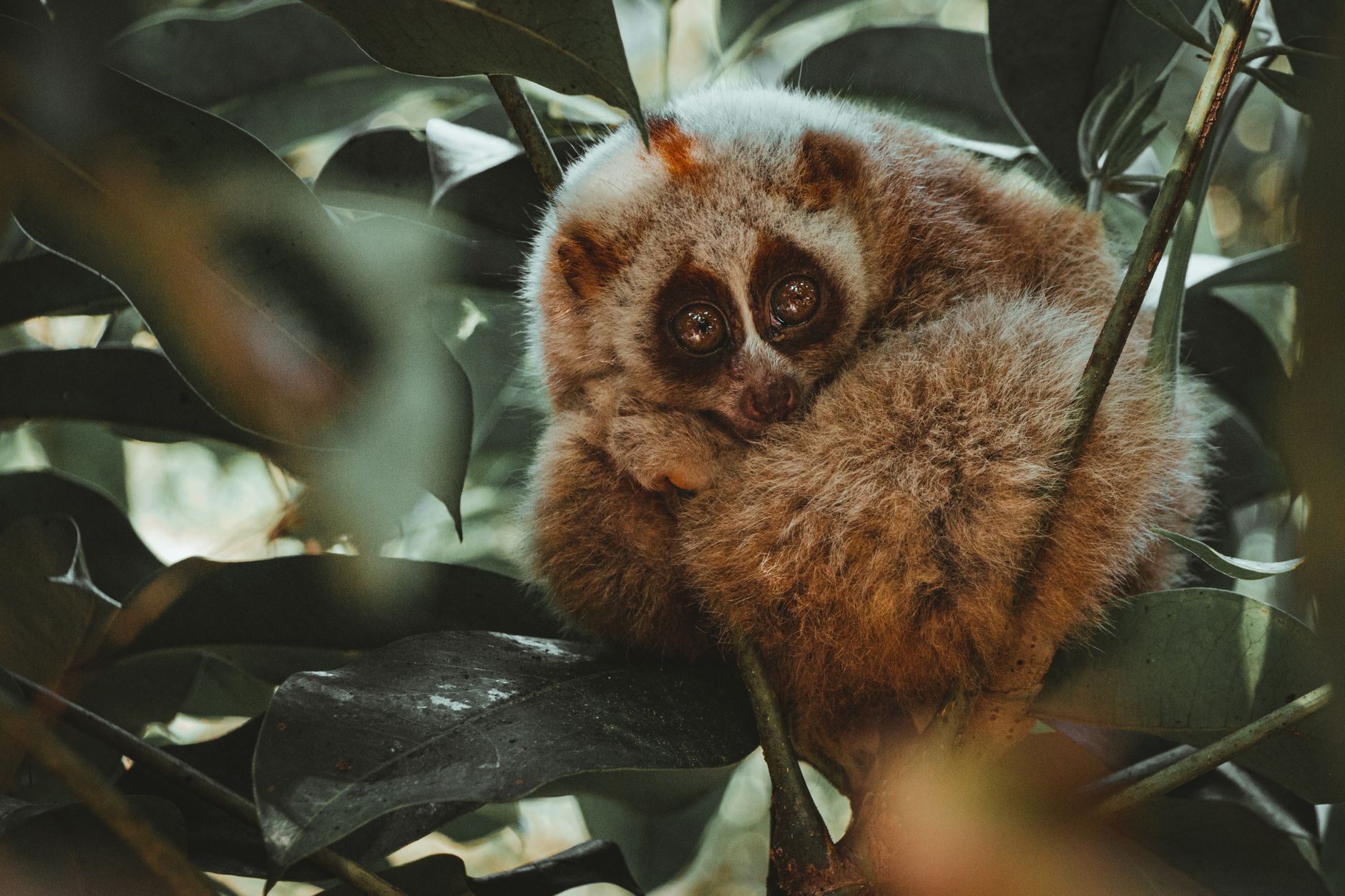
In a remarkable twist of fate, the Bangka slow loris, a species thought lost to science for nearly a century, has re-emerged in the most unexpected of places—suburban gardens and roadside verges across Indonesia. This nocturnal creature, known for its large, soulful eyes and venomous bite, was last documented in the 1930s. Its sudden reappearance has both delighted conservationists and raised pressing questions about its future.
For years, the Bangka slow loris existed only as a whisper in the annals of scientific history, its presence overshadowed by the relentless march of deforestation and urban expansion. However, recent sightings reported by the Alobi Wildlife Rescue Center suggest that these elusive primates have been quietly enduring amidst encroaching human habitats.
The Unexpected Comeback
Between 2015 and 2025, the Alobi Wildlife Rescue Center documented multiple instances of these lorises turning up in backyards and clinging to power lines. These discoveries coincided with increased awareness and efforts to track and conserve the species. Scientists now face the task of assessing the population size and understanding the ecological needs of this enigmatic primate.
The rediscovery of the Bangka slow loris is not merely a tantalising scientific footnote. It underscores the urgent need for enhanced conservation measures on Bangka Island, where illegal wildlife trade and habitat destruction continue to threaten biodiversity. Conservationists are advocating for stronger legal protections and community engagement to safeguard these primates.
Conservation Challenges
The resurgence of the Bangka slow loris poses both opportunities and challenges. While their presence is a hopeful sign of resilience, it also highlights the fragility of their existence. The nocturnal habits of these creatures make them particularly vulnerable to human activities, and their venomous bite, while a natural defence mechanism, does little to deter poachers.
As researchers and conservationists rally to protect this species, the story of the Bangka slow loris serves as a poignant reminder of the delicate balance between nature and human progress. The coming years will be critical in determining whether this remarkable primate will continue to grace the wild landscapes of Indonesia.