England Faces Severe Drought as Over Half the Country Affected
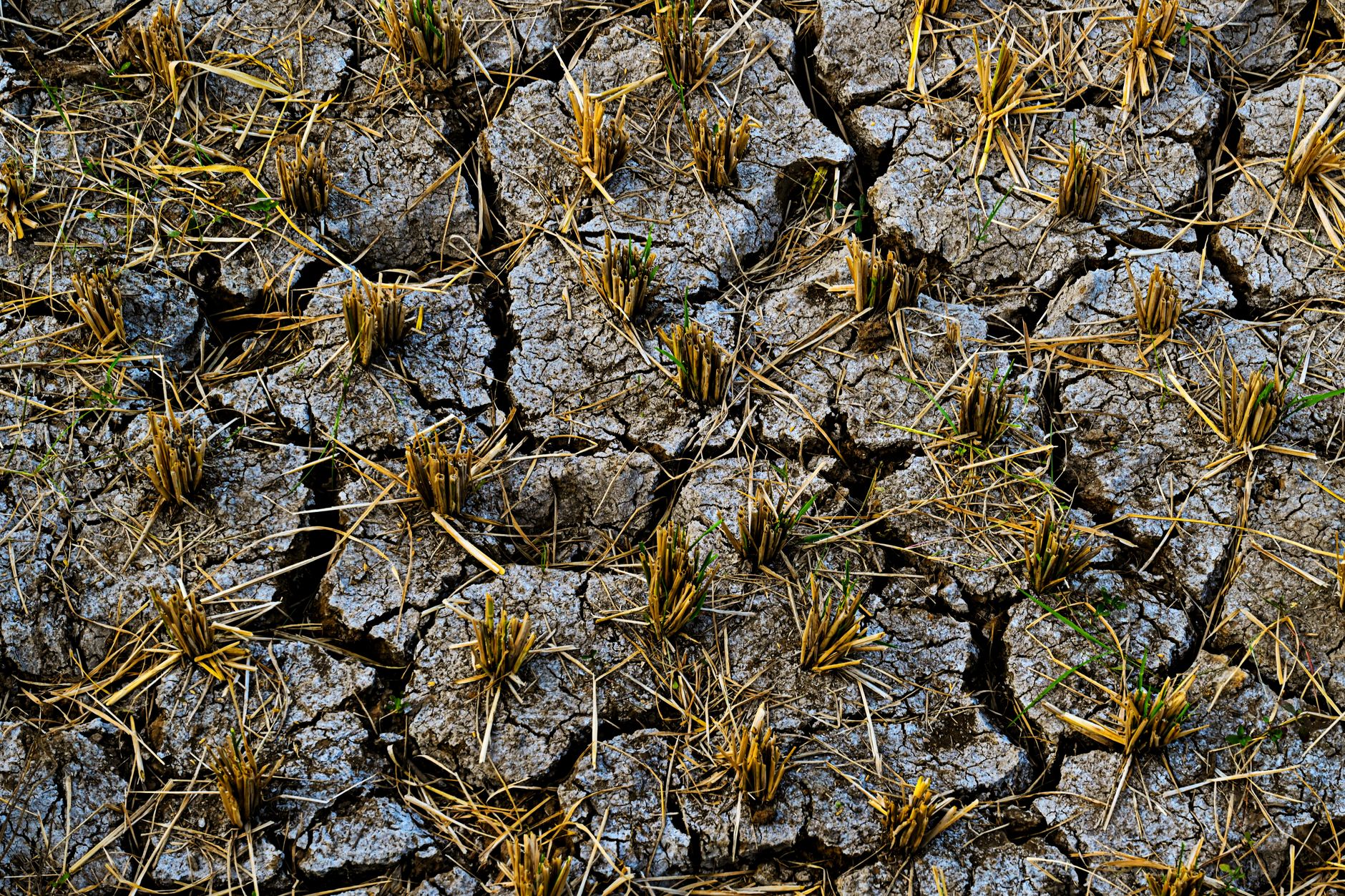
The parched fields of England now tell a story of their own. Over half of the country is officially in drought, according to the Environment Agency's latest announcement, echoing a growing crisis that demands immediate attention.
With reservoirs shrinking and rivers running perilously low, the agency's declaration isn't just another bureaucratic statement—it's a clarion call for action. The ramifications are vast, affecting everything from agriculture to water supply and wildlife habitats. Farmers, already grappling with unpredictable weather patterns, face further uncertainty as water becomes increasingly scarce. Crops wither under the relentless sun, and livestock struggle to find adequate grazing lands.
A Grim Reality
The implications of such a declaration are manifold. Water restrictions are now a reality for many households and businesses, with hosepipe bans becoming a common occurrence across the affected areas. This is not merely an inconvenience; it is a stark reminder of the fragility of our natural resources.
Environmentalists have long warned of the impact of climate change on weather patterns, and the current drought serves as a tangible example of these predictions. As temperatures rise globally, the frequency and intensity of such dry spells are expected to increase, creating a new normal that challenges existing infrastructure and resource management strategies.
What Lies Ahead?
The government and local authorities are under pressure to devise sustainable water management plans that can withstand future climatic uncertainties. This involves not only immediate measures to conserve water but also long-term strategies to enhance resilience against climate change.
Public awareness campaigns are crucial in encouraging water conservation at the individual level. Simple measures like reducing shower time, fixing leaks, and mindful usage of water-intensive appliances can collectively make a significant difference.
Moreover, innovation in agricultural techniques could provide some respite. The adoption of drought-resistant crops and advanced irrigation technologies are pathways that could mitigate the impact of such environmental challenges.
As England navigates this challenging period, the underlying message is clear: the time for action is now, before the drought turns into an irreversible catastrophe.