England Faces Severe Drought as Water Supplies Dwindle
The summer sun, typically welcomed with open arms by the British public, has overstayed its welcome this year, leading to a state of drought across more than half of England. The Environment Agency's recent declaration underscores the severity of the situation, with central, eastern, and southern regions bearing the brunt of the dry spell.
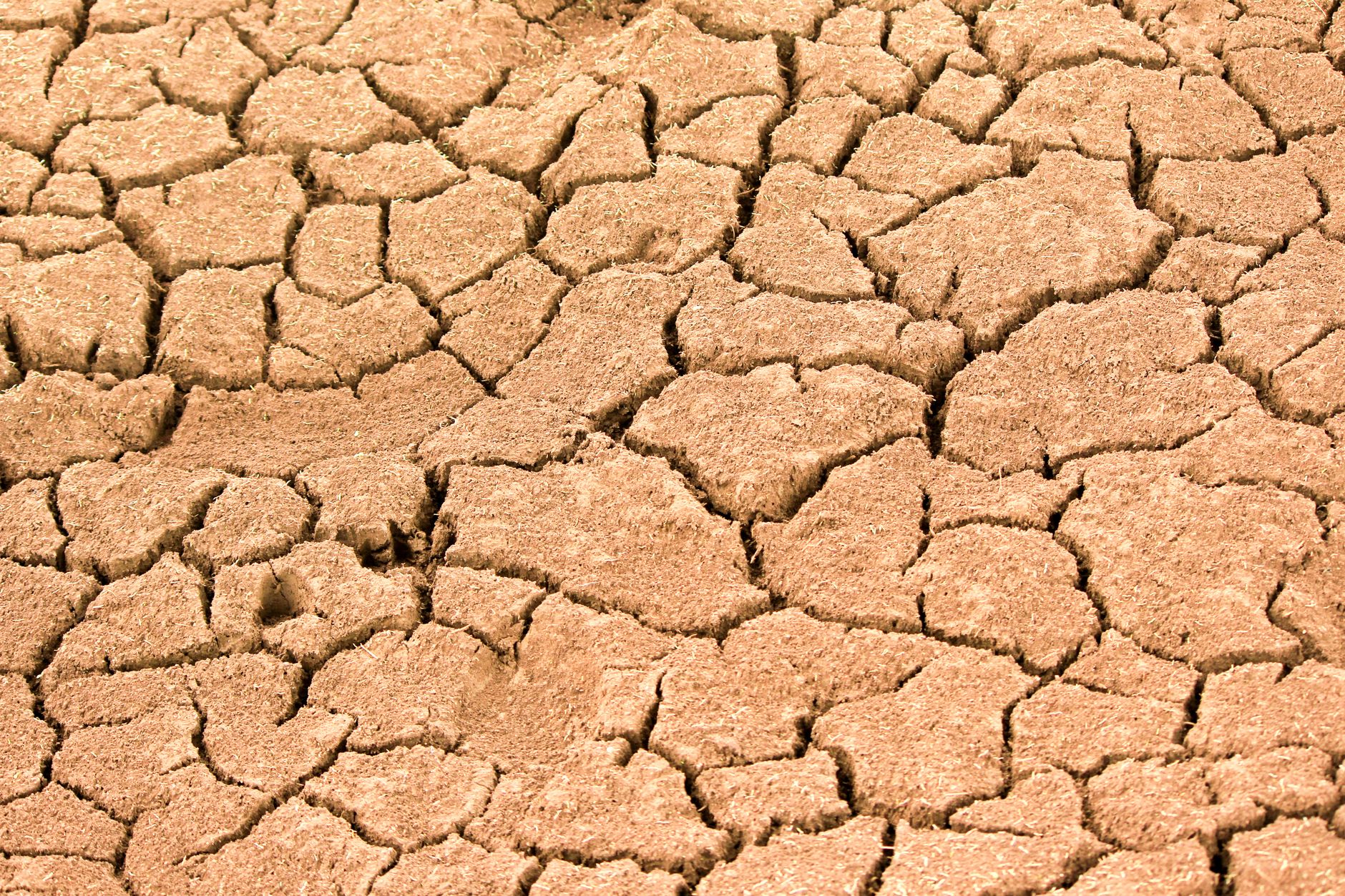
In recent weeks, the combination of unrelenting heatwaves and scant rainfall has turned verdant landscapes into parched patches. July, it seems, is on track to set a record for dryness, a stark contrast to the winter floods that had once submerged parts of the country.
The National Drought Group's Response
Amid rising concerns, the National Drought Group convened on Tuesday to deliberate on the unfolding crisis. This group, comprising government and meteorological officials, ministers, regulators, water companies, and representatives from the farming community, is tasked with devising strategies to manage the dwindling water resources.
The meeting highlighted the delicate balance required to sustain both human consumption and agricultural demands. Farmers, already strained by the unpredictable weather patterns, face the daunting prospect of crop failure and livestock shortages.
Historical Context and Future Implications
Historically, England has witnessed droughts, but the current situation is alarming due to the rapidity with which it has developed. The term 'flash drought' has been coined to describe this swift progression from adequate water levels to critical shortages.
The implications of the drought extend beyond immediate water restrictions. It raises questions about climate resilience and the need for sustainable water management practices. With predictions of more frequent extreme weather events, the emphasis on long-term solutions is more pressing than ever.
While the sun continues to blaze, the hope is that proactive measures and a collective effort can stave off the worst of the water shortages. For now, the taps may still run, but the urgency to conserve every drop grows stronger by the day.