Environmental Orders: Key Court Decisions on September 23, 2026
The waning days of September brought a flurry of significant judicial pronouncements with wide-ranging implications for environmental governance in India. On the 23rd, courts across the nation addressed pressing issues from pollution to sustainable waste management, marking a day of noteworthy developments in the realm of environmental law.
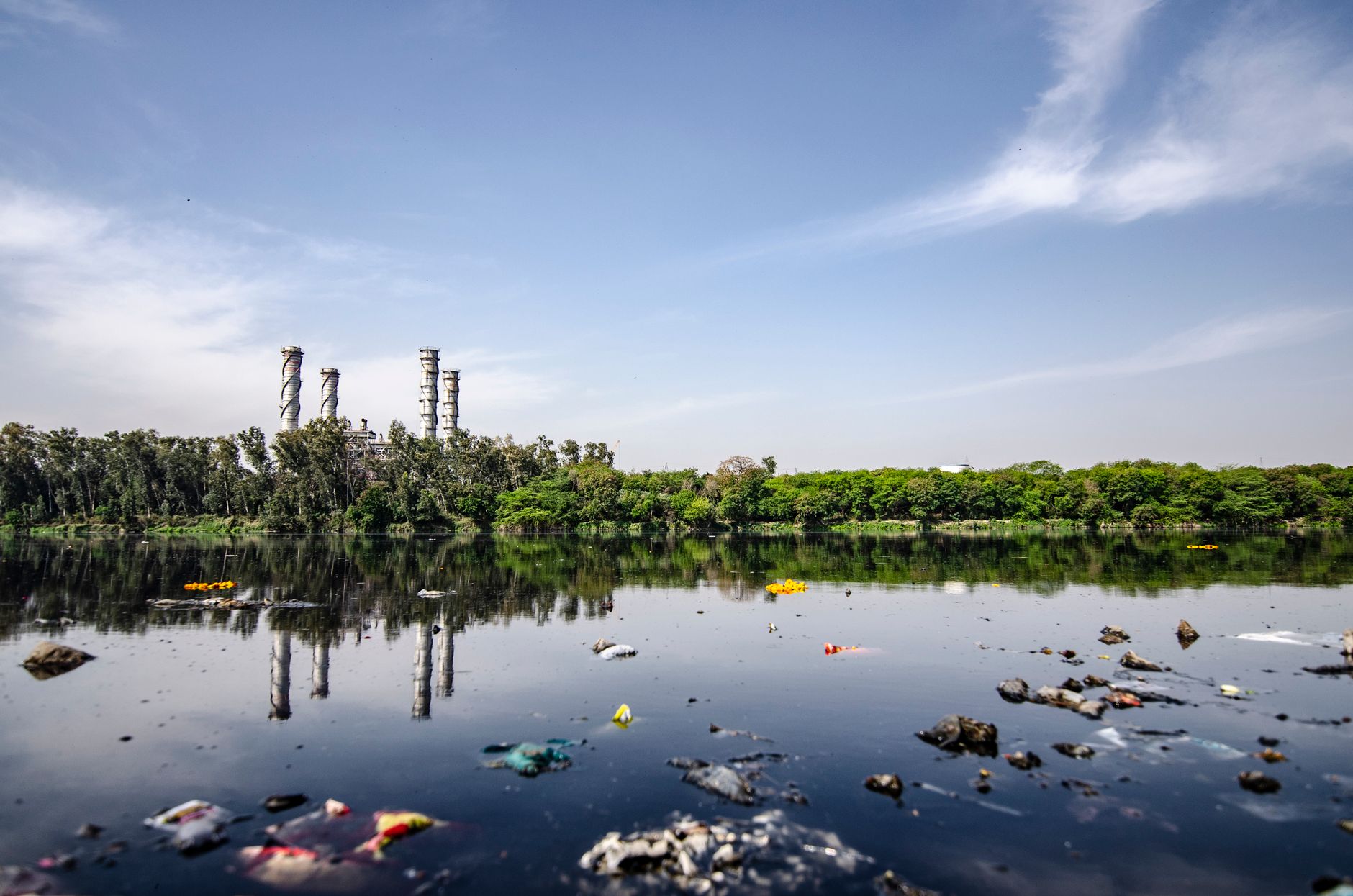
One of the central matters under judicial scrutiny was the pollution of Chembarambakkam Lake, a vital water source for Chennai. Authorities were given a stern reminder of their obligations, with the court directing immediate action to mitigate the lake's contamination. This order reflects an increasing recognition of the judiciary's role in holding the state accountable for environmental protection.
Revisiting Excavation Norms
Another significant ruling pertained to the reuse and disposal of muck excavated from development projects. The National Green Tribunal (NGT) reiterated its previous directives from December 2025, emphasising the need for strict adherence to the approved Environment Management Plan. The tribunal's order to relocate excess muck responsibly aligns with broader goals of sustainable development and resource efficiency.
The court's insistence on compliance underscores the ongoing challenges in balancing developmental needs with environmental sustainability. It also highlights the judiciary's proactive stance in enforcing environmental norms, ensuring that economic progress does not come at the cost of ecological degradation.
Broader Implications
These rulings are emblematic of a larger shift in how environmental issues are adjudicated in India. By taking decisive action, the courts are not only addressing immediate concerns but also setting a precedent for future cases. They serve as a reminder of the judiciary's pivotal role in safeguarding the environment and the health of its citizens.
As environmental challenges continue to mount, the judiciary's involvement will likely become increasingly vital. The recent orders reaffirm the courts' commitment to upholding environmental laws and prioritising the well-being of present and future generations.