Environmentalists Demand Apology from CJI Over Controversial Remarks
The Chief Justice of India has found himself embroiled in controversy following remarks that have irked environmental activists across the nation. Describing environmental petitions as impediments to development, the Chief Justice's comments have been met with a flurry of criticism from green groups who see them as a dismissal of environmental concerns.
During a session at the Supreme Court, the Chief Justice, along with another Justice, questioned the motives of those challenging development projects on environmental grounds. "Show us even a single project in this country where these alleged environmental activists have said that we welcome this project," he remarked, suggesting that some petitions might stem from ulterior motives rather than genuine ecological concerns.
The backlash was swift. Environmentalists have demanded an apology, calling for the remarks to be withdrawn. They argue that such statements undermine efforts to uphold environmental laws and protections that have been hard-won over decades. "These protections did not emerge from silence," noted one activist. "They were born from persistent democratic pressure."
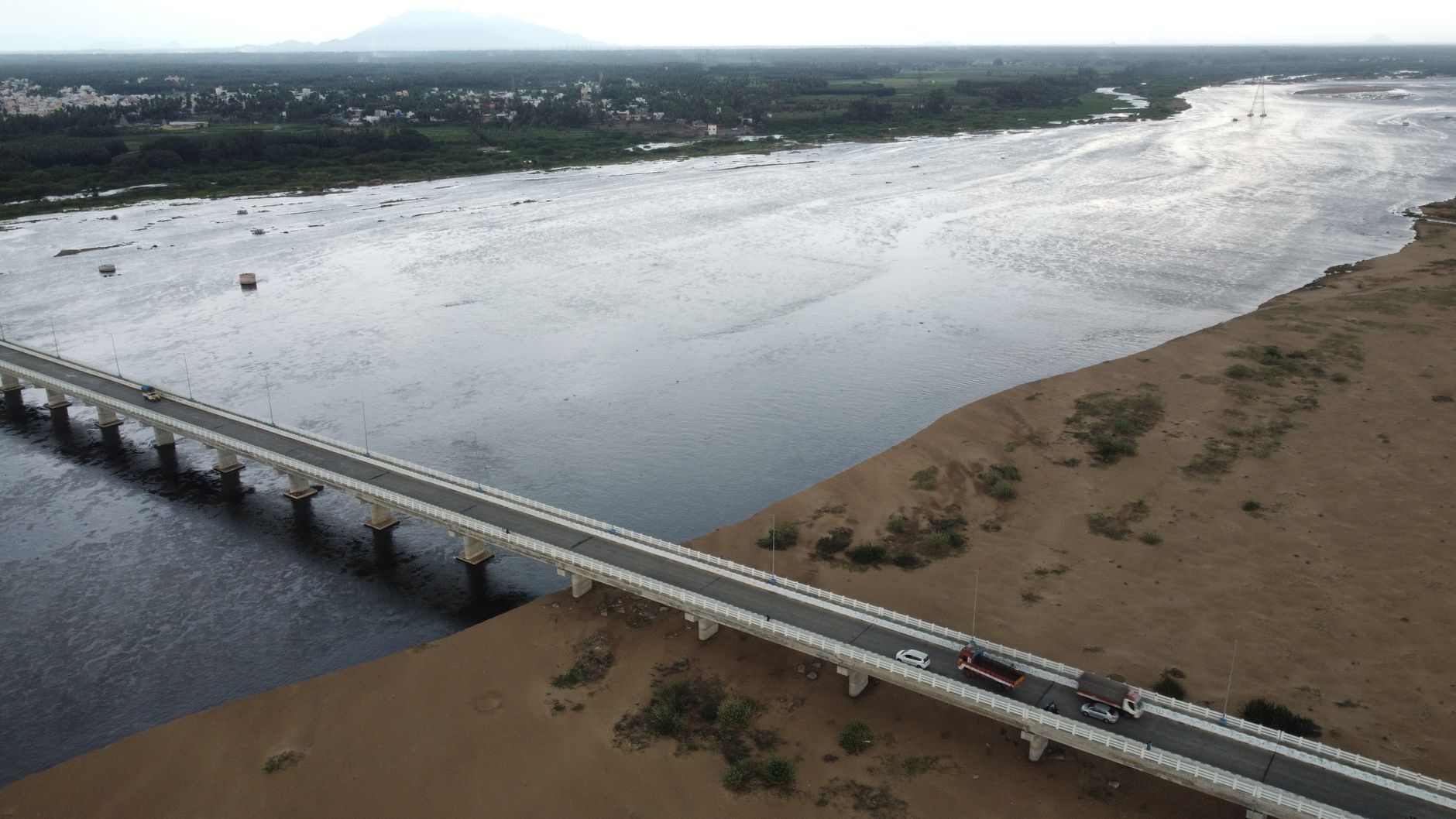
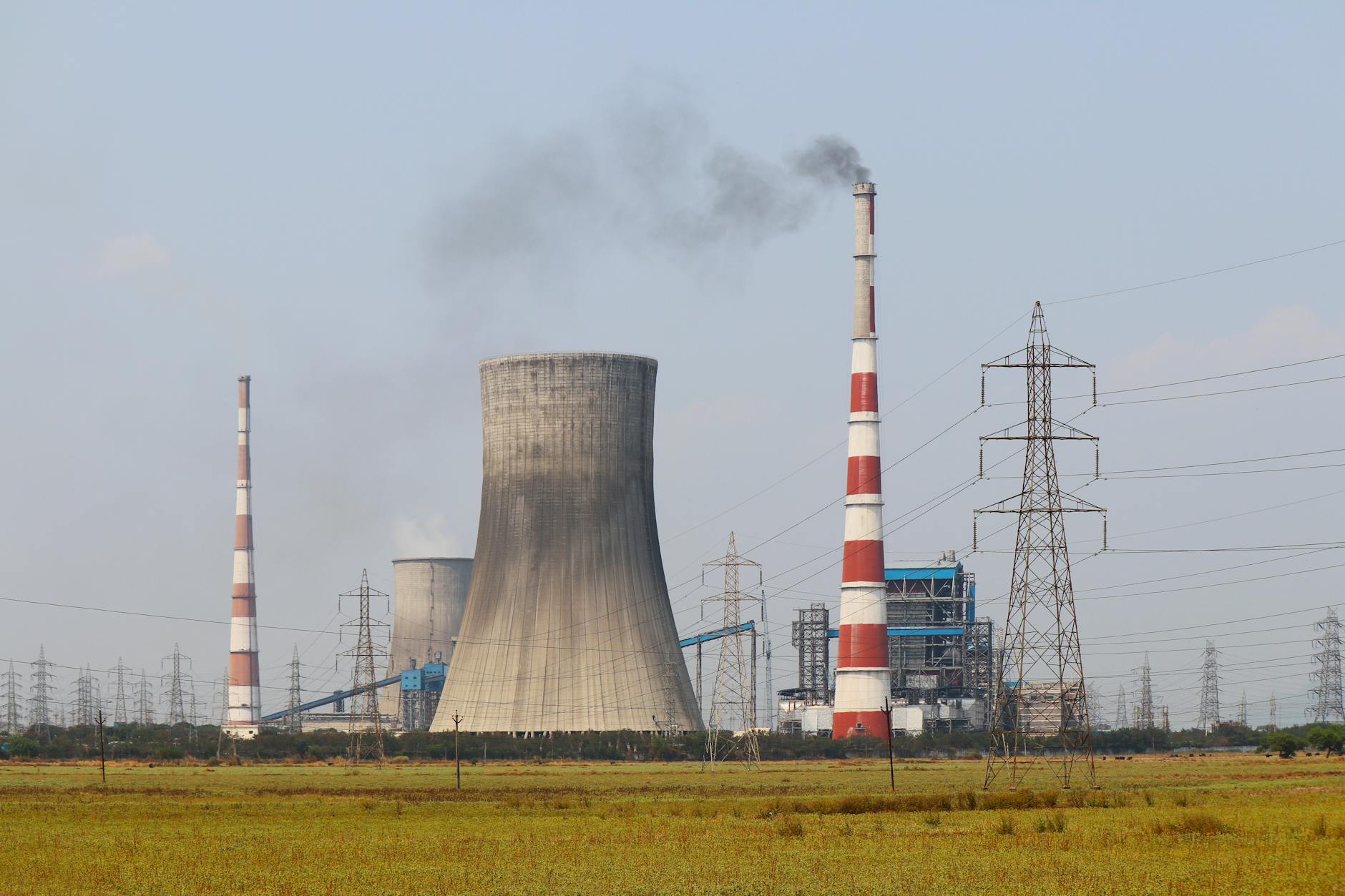
This incident comes amidst a broader discourse on the balance between development and environmental conservation in India. While the government pushes for infrastructure growth, activists insist that development must not come at the expense of the environment. The controversy highlights the delicate tightrope that India must walk in its quest for economic progress.
Calls for Reform
The environmental groups are not just seeking an apology. They are advocating for structural reforms that would place environmental concerns at the forefront of development planning. They propose a mitigation hierarchy, prioritising avoidance and minimisation of environmental impact before considering restoration or compensation.
The Chief Justice's remarks also shed light on a deeper issue within the judiciary: the potential shift in jurisprudence concerning environmental petitions. With the court's apparent criticism of perceived legal process misuse, there is growing concern about a possible chilling effect on legitimate environmental advocacy.
As the nation watches this legal and environmental drama unfold, it remains clear that India's path to development must be as green as it is ambitious. The tension between progress and preservation is a story that is far from over.