Estonia Tops Environmental Index as Global Challenges Persist
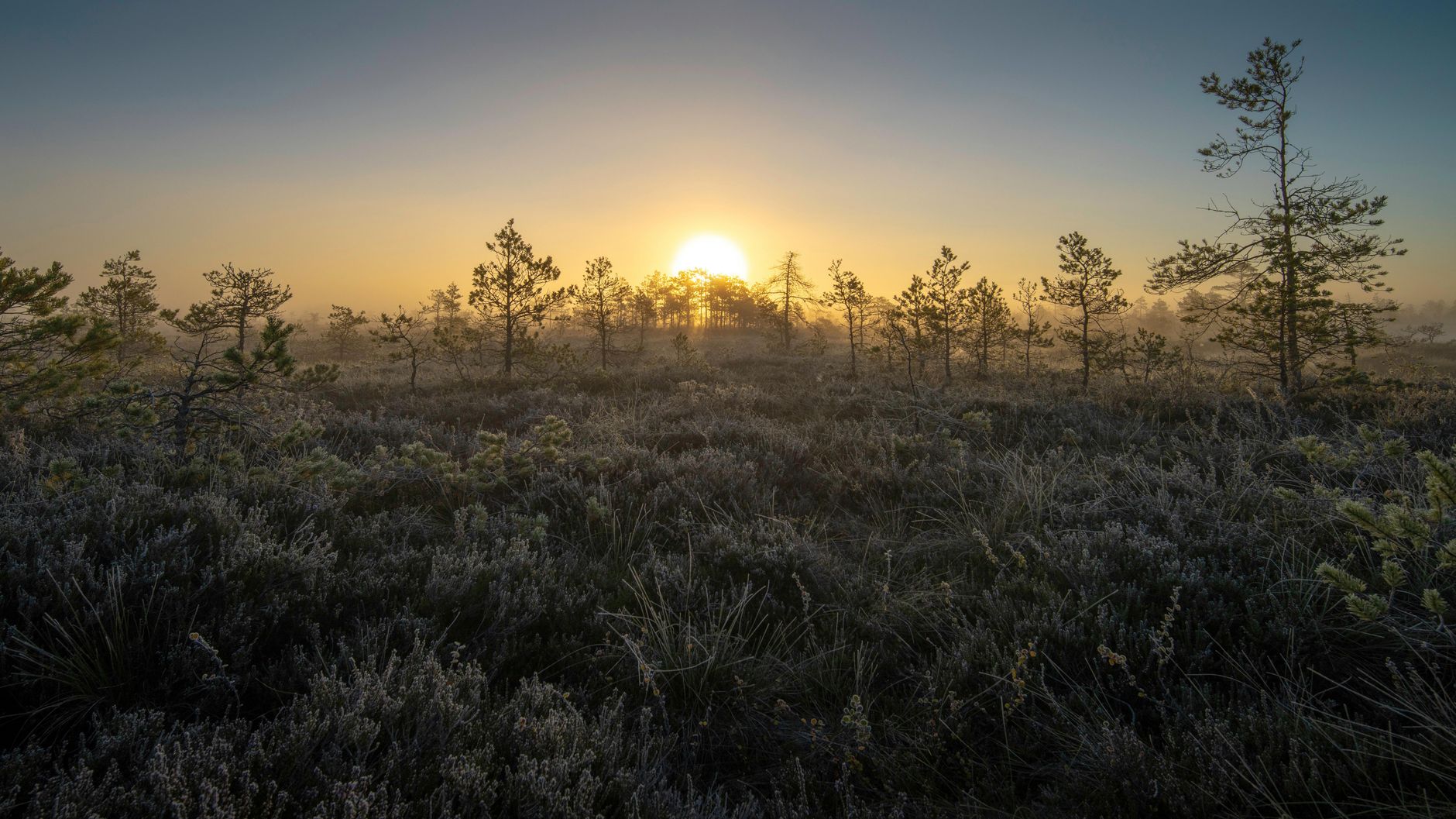
In a striking affirmation of their environmental commitments, Estonia has emerged as the leader in the 2026 Environmental Performance Index (EPI), with European nations once again demonstrating their prowess in sustainability. The index, which evaluates 177 countries across 47 indicators, paints a vivid portrait of global environmental health, yet underscores the daunting challenges that lie ahead.
Estonia's ascension to the top spot is attributed to its robust policies and implementation of state-of-the-art technology, especially in renewable energy and waste management. This Baltic nation’s success story, however, is set against a backdrop of slow progress elsewhere. The EPI reveals that a mere handful of countries are on track to meet the United Nations' ambitious net-zero greenhouse gas emissions target by 2050.
Europe’s leadership in the index is not entirely surprising, given the continent's long-standing commitment to environmental issues. Yet, the broader picture is less rosy. The adoption of artificial intelligence and satellite technology has enhanced the precision of environmental data, allowing for real-time monitoring of conditions that were previously elusive. Despite these technological advances, the pace of change in critical areas such as pollution control and biodiversity conservation remains sluggish.
A Closer Look at the Data
The EPI, developed by Yale and Columbia Universities, provides not only an overarching score but also a granular analysis that can guide policymakers in refining their strategies. The detailed data is invaluable for understanding specific areas where improvements are needed. For example, while some countries excel in renewable energy, they may falter in areas like air quality or marine conservation.
Globally, the index highlights a worrying trend: many countries have made only incremental progress in addressing climate change, with policy initiatives lacking the necessary urgency and scope. The reliance on fossil fuels in emerging economies continues to be a significant barrier to achieving global climate goals.
Charting the Path Forward
As the world grapples with these environmental challenges, the EPI serves as a crucial tool for accountability and progress. It calls for a concerted effort from all nations to prioritise environmental health and work collaboratively towards sustainable futures.
While Estonia and its European counterparts lead the way, the path to a sustainable world requires a global commitment. The index is a reminder that while gains have been made, the journey towards environmental sustainability is far from over.