EU Education Spending Steady at 4.7% of GDP Amidst Economic Shifts
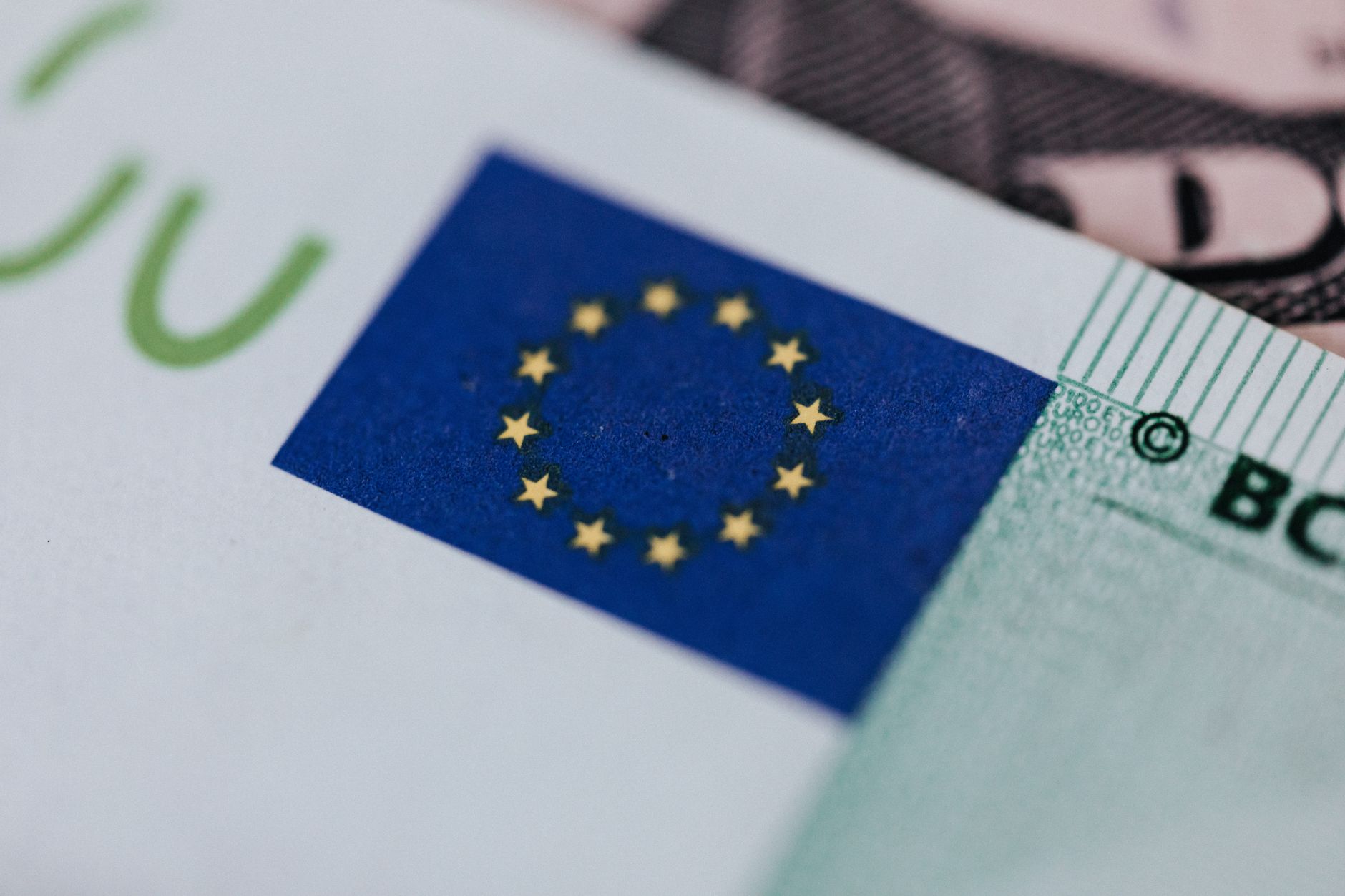
In the ever-shifting tapestry of European Union's economic strategies, one thread remains conspicuously unchanged: the allocation for education. As Eurostat's latest figures reveal, public spending on education has settled at 4.7% of GDP for 2023, mirroring last year's figures. However, this static number belies a subtle descent from the 2020 high-water mark of 5.0%.
The constancy of the expenditure figure may, at first glance, seem reassuring. Yet, beneath the surface, it underscores a broader narrative of fiscal juggling. The EU's commitment to maintaining educational funding amidst a backdrop of economic recovery and inflationary pressures is both noteworthy and concerning. In a world where educational innovation is often touted as the bedrock of future economic success, the stagnation could have long-term implications.
Economic Realities and Educational Priorities
The decline from 2020's peak is not just a numerical footnote. It reflects the broader economic realities faced by member states. With the pandemic having left gaping holes in national budgets, governments are compelled to balance immediate economic recovery needs with long-term educational investments. Yet, the pressing question remains: can the EU afford to let its educational funding plateau in such a manner?
Some analysts argue that while the percentage remains stable, the real value of this spending may be eroded by inflation. With educational costs perpetually on the rise, maintaining the same percentage of GDP might not suffice for future needs. As such, the stability could mask a potential squeeze on resources, which may hinder the EU's educational ambitions.
A Call for Strategic Investment
Educational experts have long advocated for a more dynamic approach to funding, one that aligns more closely with the evolving demands of a digital and increasingly interconnected global economy. The current figures might suggest a need for reevaluation of priorities, ensuring that funding keeps pace not merely with inflation, but with the rapid advancements in educational technology and methodologies.
In conclusion, while the EU's steady allocation of 4.7% of GDP to education might offer a semblance of stability, it also serves as a stark reminder of the delicate balancing act required in public financial management. The future of education in the EU hinges not just on percentage points, but on the strategic foresight of its policymakers.