EU Implements Ban on Destruction of Unsold Apparel
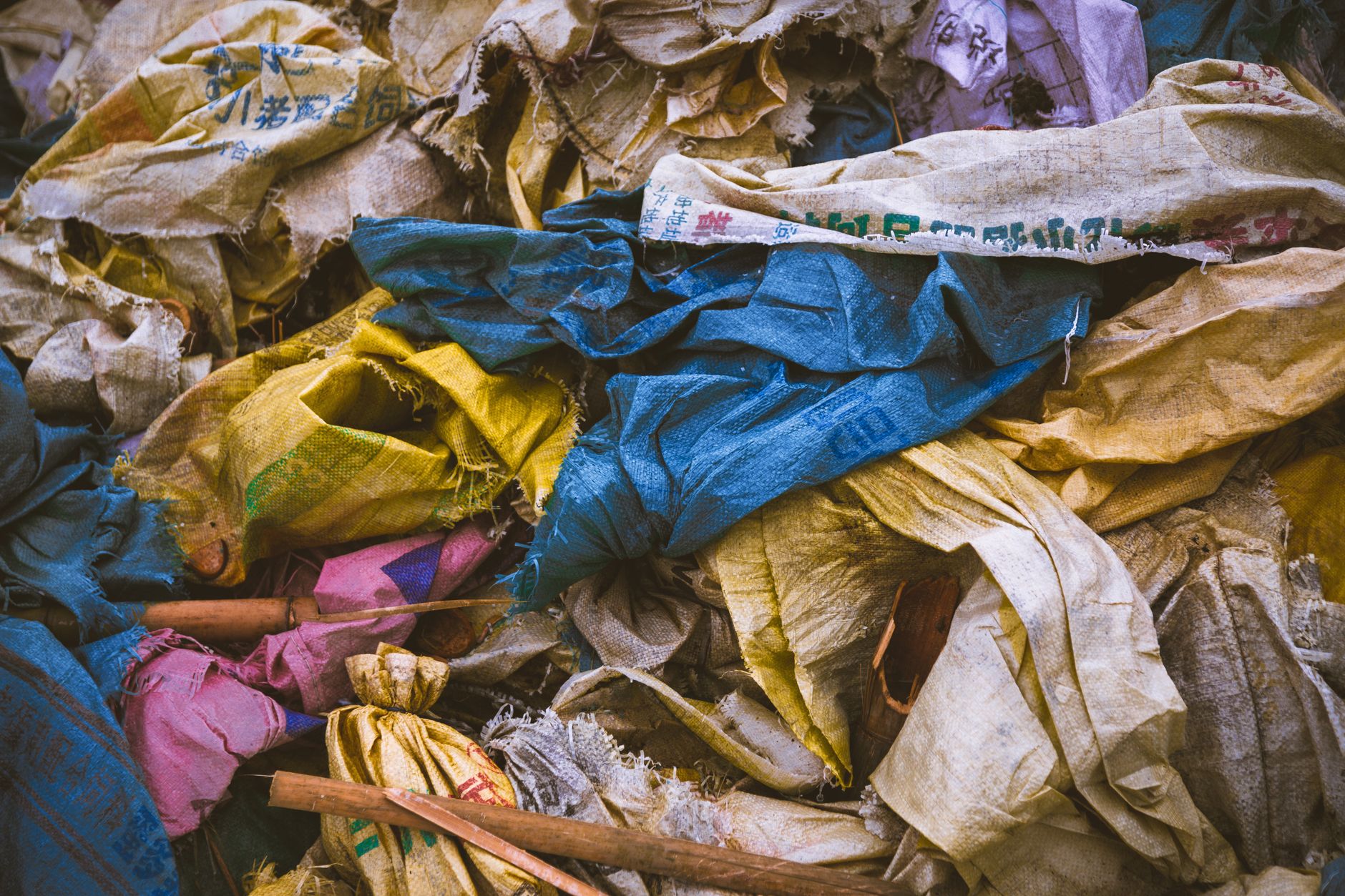
The European Union, often at the forefront of environmental initiatives, has taken another significant step by banning the destruction of unsold clothes and shoes. The regulation, now active, seeks to address the burgeoning issue of textile waste, which has long been a blight on the environmental conscience.
Historically, fashion brands have been known to destroy unsold stock to maintain brand value or simply due to logistical inefficiencies. The practice, while convenient for companies, has contributed to the staggering amounts of waste generated by the fashion industry. With this ban, the EU aims to shift the paradigm towards a more circular economy, encouraging businesses to reconsider their production and inventory strategies.
Under the new law, companies are prohibited from disposing of unsold inventory unless specific conditions are met. These include scenarios where items are unsafe, damaged beyond repair, or infringe on intellectual property rights. The regulation is part of a broader EU strategy to make the fashion industry more sustainable, reflecting growing consumer demand for ethical and eco-friendly products.
Implications for Businesses
While large companies must comply immediately, medium-sized enterprises have been granted a six-year exemption to adjust to the new requirements. Smaller companies, recognising their limited resources, are exempt altogether. This staggered approach aims to balance environmental objectives with economic realities, providing a transition period that allows businesses to adapt.
Some critics argue the measures do not go far enough, pointing out that exemptions could undermine the regulation's impact. However, proponents believe it marks a crucial step in changing industry practices and reducing environmental degradation.
A Step Towards a Greener Future
The EU's regulation is more than just a bureaucratic mandate; it's a call to action for the fashion industry to innovate and embrace sustainability. By encouraging recycling and reuse, the EU hopes to inspire other regions to follow suit, amplifying the global impact of such initiatives.
As the world grapples with climate change and its myriad challenges, measures like these underscore the pressing need for industries to rethink their environmental responsibilities. The ban on the destruction of unsold clothes and shoes is a reminder that inaction is no longer an option.