Europe's Heat: Unraveling the Continent's Warming Crisis
As Europe bakes under an unprecedented heat wave, it's becoming increasingly clear that the continent is warming faster than any other, with profound implications for both its ecosystems and its people. The World Meteorological Organisation (WMO) has reported that since the 1980s, Europe has warmed at a rate twice that of any other continent. But what's driving this alarming trend?
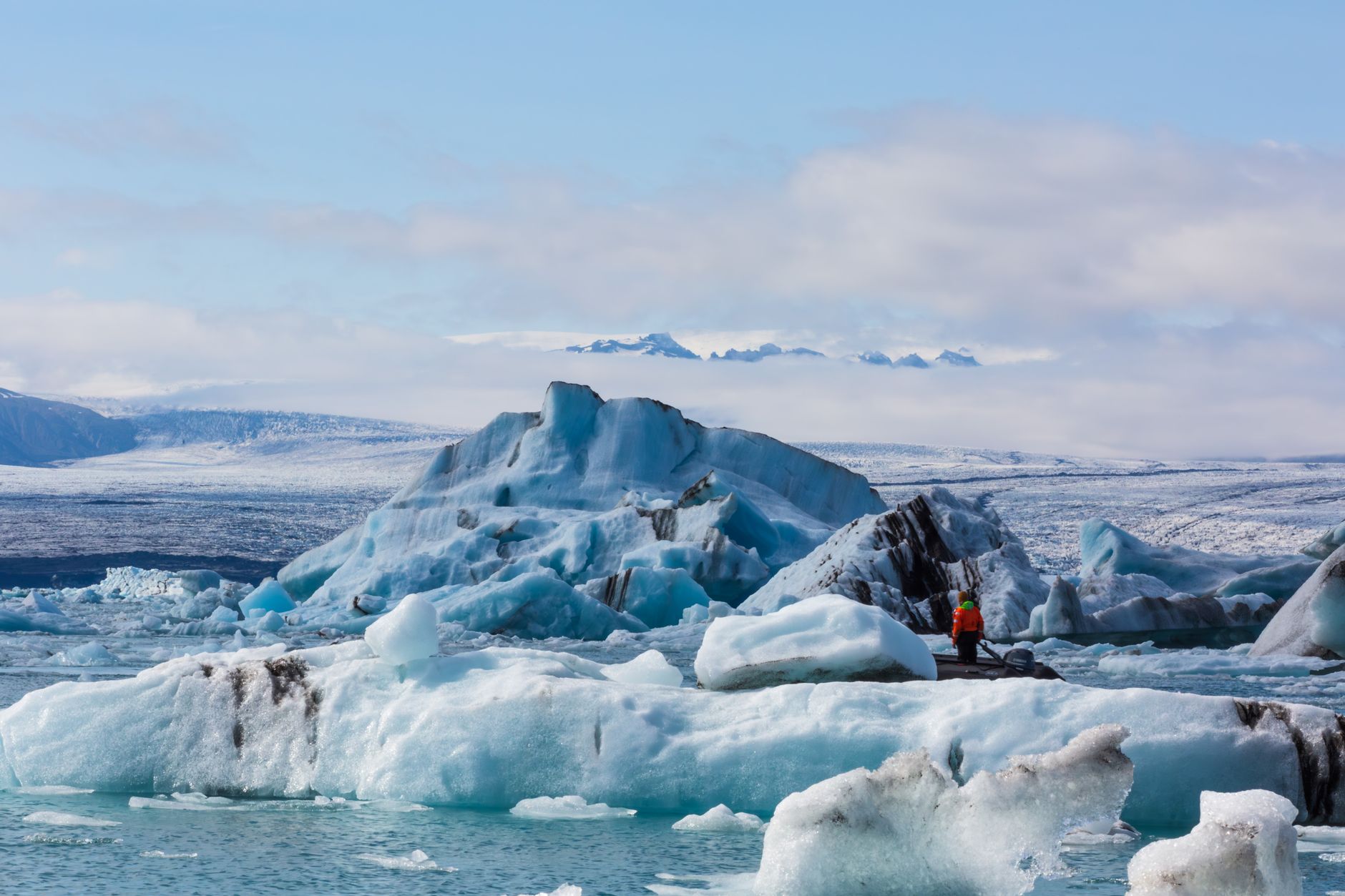
One of the key factors is Europe's proximity to the rapidly warming Arctic. The phenomenon, known as Arctic amplification, sees the Arctic warming at more than twice the global average. This has a knock-on effect on Europe, particularly in the northern regions, where the melting ice cap reduces the amount of sunlight reflected back into space, causing further warming.
Local Factors at Play
But it's not just the Arctic that's to blame. Europe's unique geographical and climatic conditions also play a pivotal role. The continent's diverse landscapes, from the Mediterranean to the Alps, create a variety of microclimates that respond differently to global warming. The Mediterranean, for instance, is experiencing prolonged droughts and water scarcity, while the Alps are losing their iconic glaciers at an alarming rate.
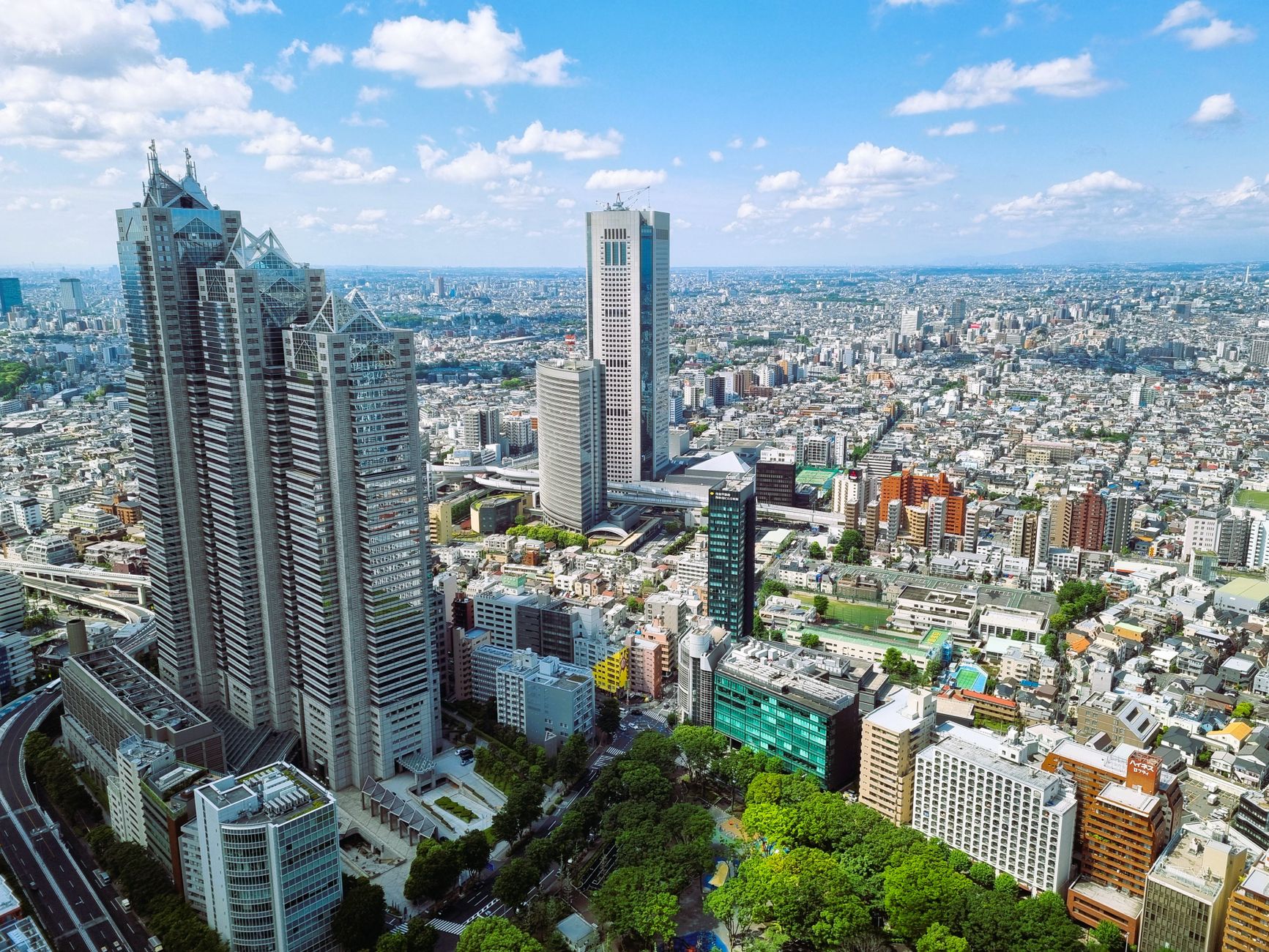
Furthermore, Europe's dense urbanisation exacerbates the heat. Cities like Paris, Madrid, and Rome, with their concrete jungles and limited green spaces, are becoming heat traps. The urban heat island effect means that these areas retain more heat, leading to higher temperatures than the surrounding rural areas.
The Human Cost
The impact on human societies is already stark. Agriculture is under threat, with crops wilting under the relentless sun, and water resources are becoming more strained. Health systems are also feeling the pressure, as heat-related illnesses become more common.
Addressing this crisis requires urgent action. Reducing carbon emissions is crucial, but so is adapting to the changes already underway. Building resilient infrastructure, preserving green spaces, and enhancing water management are just some of the strategies needed to cope with the new climate reality.
Europe's warming is a wake-up call for the entire world. As the continent struggles to adapt, it provides a glimpse into the future challenges that await us all if global temperatures continue to rise unchecked.