EU's Ban on Destroying Unsold Clothes: A Step Towards Sustainability
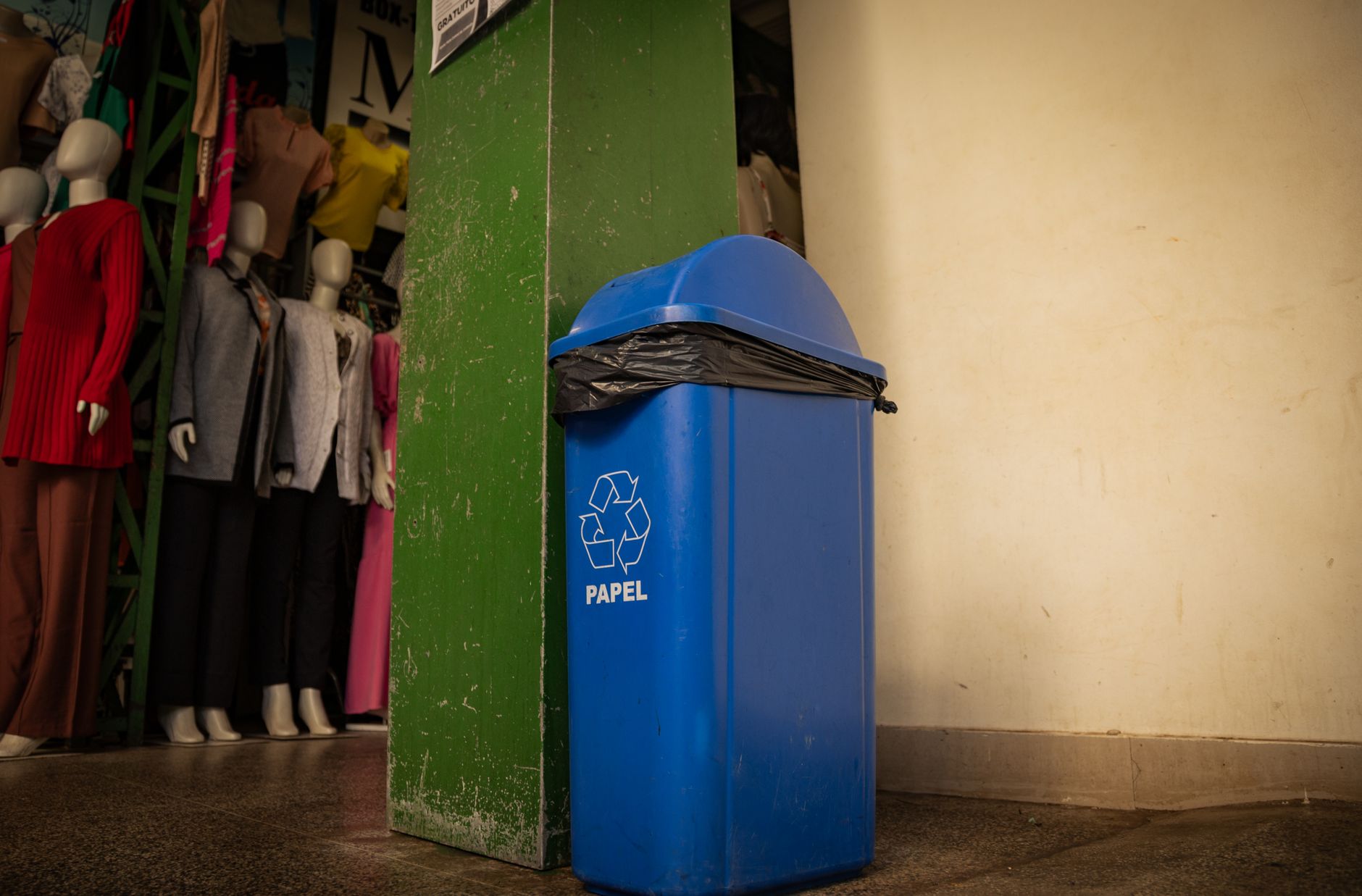
In a move set to reshape the fashion industry's approach to unsold inventory, the European Union has officially implemented a ban on the destruction of unsold clothes and shoes. This regulation, part of the EU’s Ecodesign for Sustainable Products Regulation, aims to curb the vast amounts of waste generated by the sector, encouraging a more circular economy.
For years, the fashion industry has been criticised for its wasteful practices, with reports of unsold clothing being incinerated or sent to landfill to maintain brand exclusivity. However, the EU's new rule intends to change this narrative. Companies will now be required to explore alternative avenues such as donating to charities, recycling, or repurposing items to ensure that fewer products end up as waste.
Exemptions and Compliance
While the ban is comprehensive, certain exemptions exist. Companies are allowed to destroy goods only if they are unsafe, counterfeit, or infringe upon intellectual property rights. Medium-sized enterprises are given a six-year grace period, while smaller businesses remain exempt, acknowledging the logistical and financial challenges that immediate compliance might entail for these entities.
The regulation has sparked a conversation about sustainability and corporate responsibility. Environmentalists have long argued that fashion's fast-paced production model is unsustainable, with garments often having a short lifespan before being discarded. This law is seen as a critical step towards mitigating environmental impact.
Impact on the Fashion Industry
Businesses are now prompted to innovate, finding new ways to manage surplus stock. This could involve collaborations with recycling firms or investing in technologies that extend the life of garments. While some companies may view the regulation as an administrative hurdle, others see it as an opportunity to align with growing consumer demand for sustainable practices.
The EU’s decision may also influence other regions to adopt similar measures, reflecting a broader shift towards environmental responsibility in global commerce. As the fashion industry grapples with this new reality, the effectiveness of the ban will be closely monitored, with its success potentially setting a precedent for future policies worldwide.