Exercise Unravels the Secret to Reversing Muscle Ageing
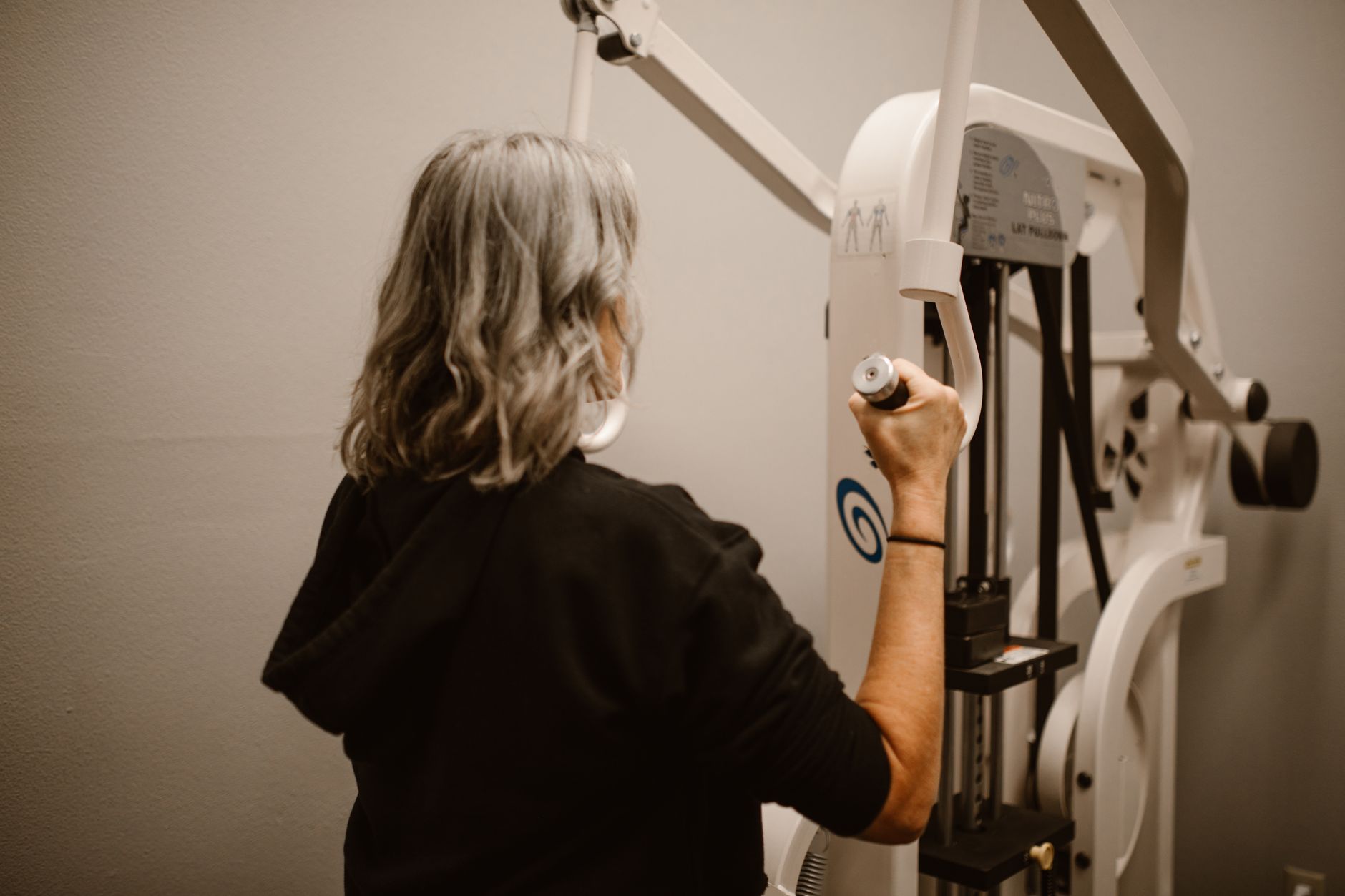
In a revelation that has the potential to reshape our understanding of ageing, scientists have pinpointed a gene known as DEAF1, which appears to hold the key to reversing the effects of muscle ageing. This discovery was made by a team at Duke-NUS Medical School, who have uncovered the gene's role in managing the delicate balance between muscle protein synthesis and degradation.
The research highlights how DEAF1 becomes increasingly active in ageing muscles, disrupting the equilibrium necessary for muscle strength and repair. By lowering the activity of this gene through exercise, scientists observed a restoration of protein homeostasis, thereby enhancing muscle repair and strength. This finding sheds light on why exercise remains a potent tool for maintaining muscle health as we age.
The Role of DEAF1 in Muscle Health
DEAF1's involvement in muscle ageing is an intriguing piece of the puzzle. It affects the muscle's ability to rid itself of damaged proteins, which is essential for maintaining strength and function. As DEAF1 activity rises, the muscle's capacity to renew itself diminishes, leading to the familiar decline associated with ageing. Exercise, it seems, can counteract this process by modulating DEAF1's influence.
While the research is still in its nascent stages, the implications are significant. By manipulating DEAF1 activity, there may be potential to develop new treatments that mimic the effects of exercise, offering hope to those unable to engage in physical activity due to health constraints.
Implications for Future Therapies
The discovery of DEAF1's role presents exciting avenues for future research and therapeutic development. As scientists work to better understand the molecular pathways involved, there's potential to create targeted interventions that could slow or even reverse muscle ageing.
This breakthrough not only underscores the importance of regular physical activity but also opens the door to novel strategies for combating age-related muscle decline. With further research, we may soon see a new era of therapies designed to keep us stronger for longer, fundamentally altering our approach to ageing and health.