Exploring Dyson Spheres and Amazon's Hidden Marvels
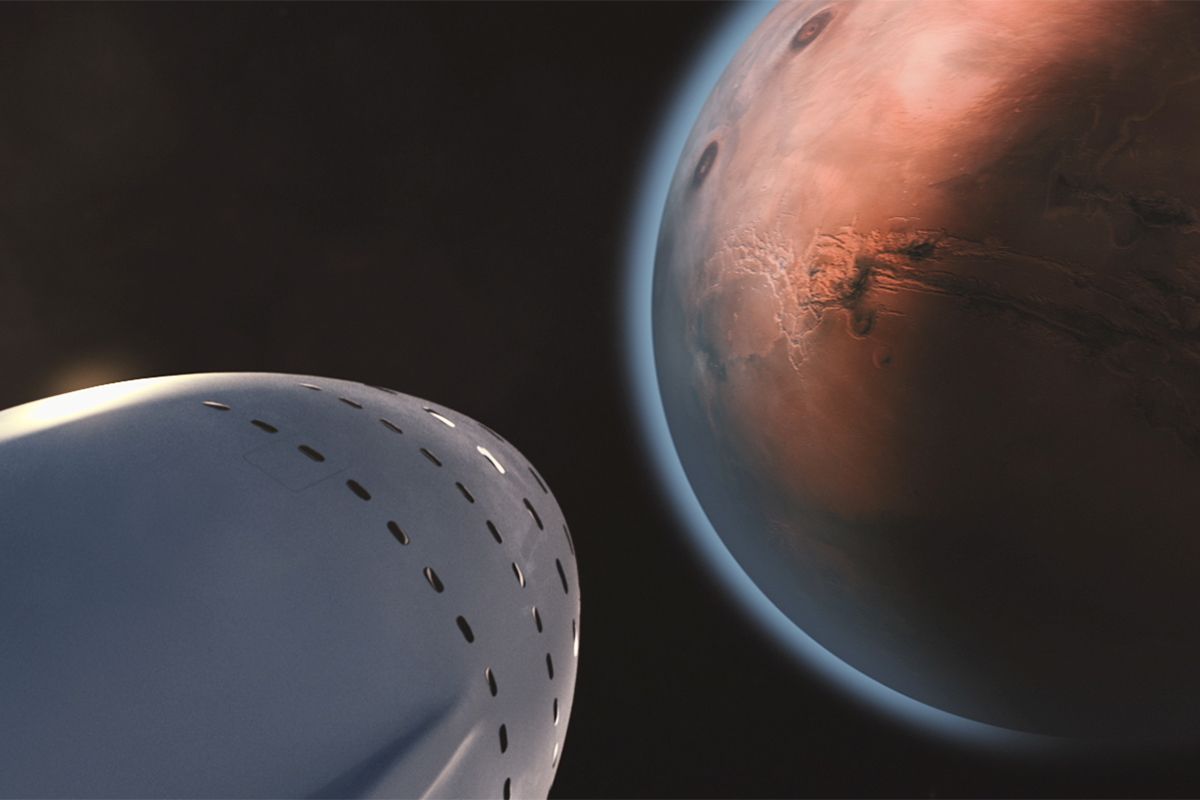
In a universe teeming with mysteries, few concepts capture the imagination quite like the Dyson sphere. Originally proposed by physicist Freeman Dyson in 1960, these hypothetical mega-structures are envisioned as enormous shells or swarms of satellites built around a star to capture its energy. This week, the scientific community stirred with excitement as researchers identified seven stars that might be enshrouded by such alien superstructures.
While the notion of Dyson spheres has been a staple of science fiction, the prospect of their real-world existence is tantalising. However, these structures remain purely speculative, with critics pointing out their inherent instability, which could lead to catastrophic failures. Nonetheless, the search continues, driven by our unyielding curiosity about the cosmos and the potential for advanced civilisations beyond Earth.
The Amazon's Secret Past
Meanwhile, closer to home, the dense jungles of the Amazon have long concealed secrets of their own. Thanks to LIDAR technology, which employs laser pulses from aircraft to map terrain, researchers have uncovered ancient structures that suggest a once-thriving civilisation. These discoveries challenge the long-held view that the Amazon was a pristine, untouched wilderness prior to European contact.
The newfound structures hint at complex societies with sophisticated infrastructure, compelling historians and archaeologists to reconsider the Amazon's role in human history. As the jungle reveals its secrets, it becomes increasingly clear that our ancestors may have been far more advanced than previously imagined.
The implications of these scientific advances are profound. As we peer deeper into the universe and our own planet's past, the boundaries of human knowledge continue to expand, inviting us to question, explore, and understand.