Exploring How VR Enhances Behavioural Science Reproducibility
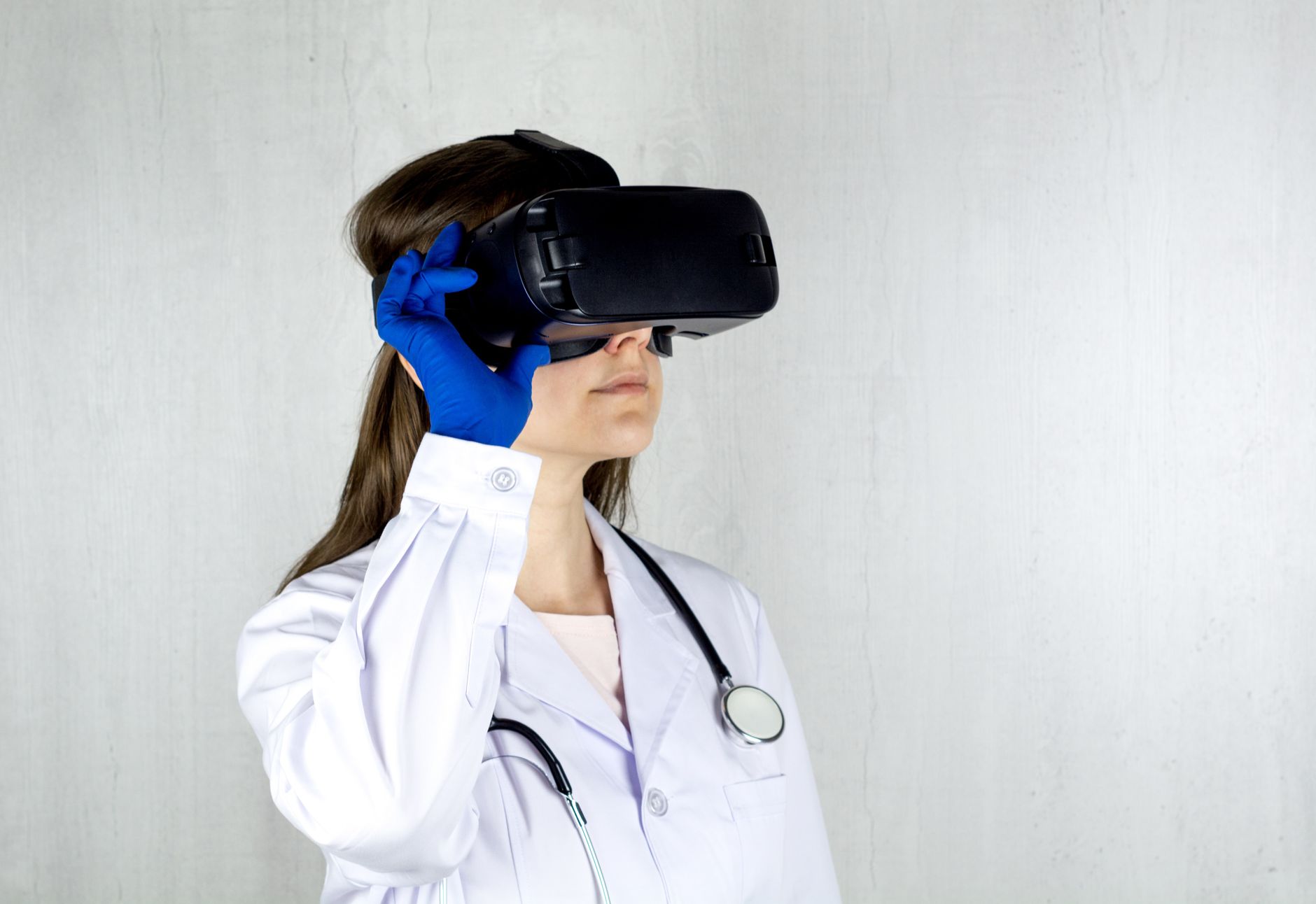
In a dimly lit laboratory, a researcher dons a head-mounted display, stepping into a realm where reality and virtuality blend seamlessly. Virtual reality (VR), once the domain of gamers and tech enthusiasts, is now making significant inroads into the field of behavioural science. The promise? An unprecedented level of control and reproducibility in experimental setups.
Behavioural science has long grappled with the challenge of reproducibility. Traditional methods often involve variables that are difficult to control, leading to inconsistencies across studies. Enter VR, with its ability to create highly controlled, repeatable environments that can be precisely tailored to the needs of each experiment.
Standardisation: The Key to Reproducibility
One of the main hurdles in behavioural science has been the lack of standardised protocols. VR offers a solution by allowing researchers to develop open, standardised procedures that can be shared and replicated across different studies and locations. By documenting apparatus specifications and ensuring procedural consistency, scientists can minimise variability and enhance the reliability of their findings.
Consider, for instance, the treatment of phobias. A VR coach can simulate scenarios, enabling patients to confront their fears in a controlled manner. Such applications demonstrate how VR not only aids reproducibility but also opens new avenues for therapeutic interventions.
Bridging Geographical Gaps
VR's capacity for remote experimentation addresses another significant barrier in scientific research: geographical limitations. Researchers around the globe can now collaborate more efficiently, sharing data and insights without the need for physical proximity. This global accessibility ensures that studies can be conducted consistently, regardless of the location of the participants or the researchers.
The implications for behavioural science are profound. Enhanced reproducibility leads to more robust scientific conclusions, ultimately advancing our understanding of complex human behaviours. As VR technology continues to evolve, its potential to transform the field of behavioural science becomes increasingly evident. The question is not whether VR will revolutionise the field but how swiftly it will do so.