Exploring Superhabitable Worlds: Beyond Earth's Comfort
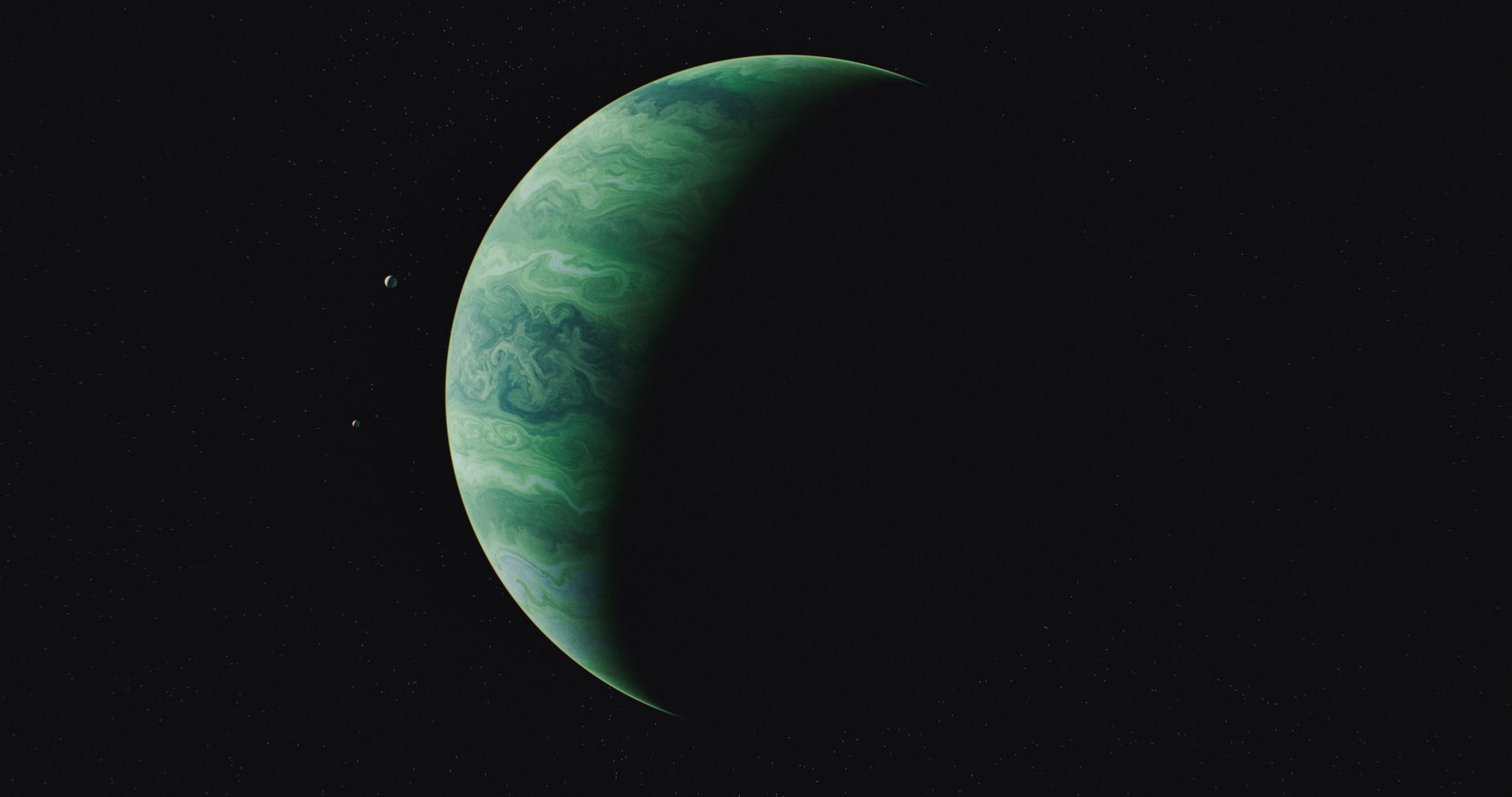
Imagine a world where life flourishes more abundantly than on our own Earth. A world where conditions aren't just suitable, but ideal. This isn't the realm of science fiction, but a burgeoning area of astronomical research focused on 'superhabitable' worlds — planets that might offer more favourable conditions for life than Earth itself.
The concept, first proposed by René Heller and John Armstrong in 2014, suggests that our search for extraterrestrial life has been too Earth-centric. These scientists argue that a planet's ability to support life could be enhanced by factors other than just being in the so-called 'Goldilocks zone', where temperatures allow for liquid water.
The Search for Superhabitability
While Earth is the only known cradle of life, the vastness of the universe all but assures that conditions elsewhere could be even more conducive to life. NASA's current initiatives, including the Habitable Worlds Observatory, are set to explore these tantalising possibilities. This observatory aims to scrutinise Earth-sized planets within habitable zones, seeking signs of life.
Among these potential superhabitable worlds are planets that may be slightly older than Earth, offering stability over longer periods, or those with more moisture and a milder climate. Such conditions might provide a more stable environment for life to evolve and thrive.
Beyond the Earth-Centric View
The notion that life can only exist in Earth-like conditions is being increasingly challenged. The discovery of extremophiles — organisms thriving in Earth's harshest environments — has broadened our understanding of life's tenacity. Thus, planets once dismissed as inhospitable might, in fact, harbour life.
The search for superhabitable worlds is not just about finding a new home for humankind. It expands our understanding of life's potential across the cosmos. It challenges us to redefine what we consider as 'habitability'. As telescopes and detection methods improve, the dream of discovering a world even more suited to life than our own becomes an ever-closer reality.