Exploring the Evolution of Human Understanding at Global Museums
In a world that's constantly evolving, museums serve as time capsules, preserving the essence of humanity's quest to comprehend its surroundings. The Israel Museum in Jerusalem, for instance, houses the world's oldest known mask, dating back 9,000 years to the Pre-Pottery Neolithic B period. This ancient artefact offers a glimpse into the early days of human civilisation, highlighting a pivotal shift from nomadic lifestyles to settled communities and the advent of rituals and cults.
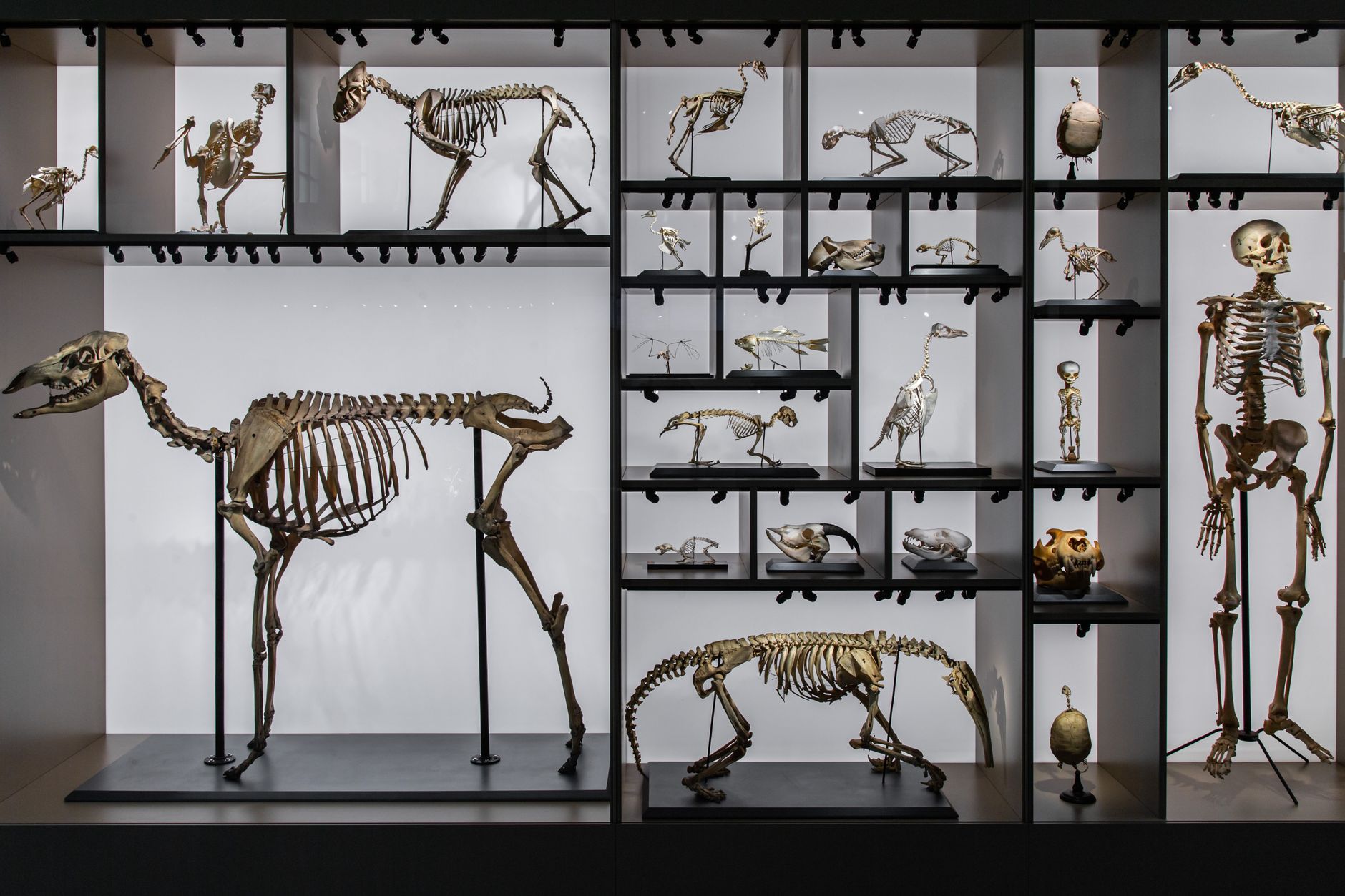
Similarly, the Musée de l'Homme in Paris has reopened after a six-year renovation, showcasing how our understanding of mankind has evolved over the centuries. With new displays, the museum invites visitors to explore the intricate connections between various cultures and the scientific advancements that have shaped our understanding of what it means to be human.
Meanwhile, in Bucharest, the Body Worlds Museum takes a more anatomical approach, delving into the complexities of the human body. Through its detailed exhibits, visitors are introduced to the wonders of human anatomy and neuroscience, providing a deep dive into how our bodies function and how this understanding has advanced medical science.
Even the seemingly mundane, such as the invention of instant noodles by Momofuku Ando, finds a place in the narrative of human ingenuity. A replica of the shed where Ando developed this revolutionary food item is a testament to how simple ideas can have a profound impact on global culture.
These museums, scattered across the globe, are more than mere repositories of objects. They are dynamic storytellers, mapping the journey of human understanding through the ages. By bridging the gap between the past and the present, they inspire future generations to continue the pursuit of knowledge and cultural discovery.