Feline Fame Sparks the World's Largest Wildlife Corridor
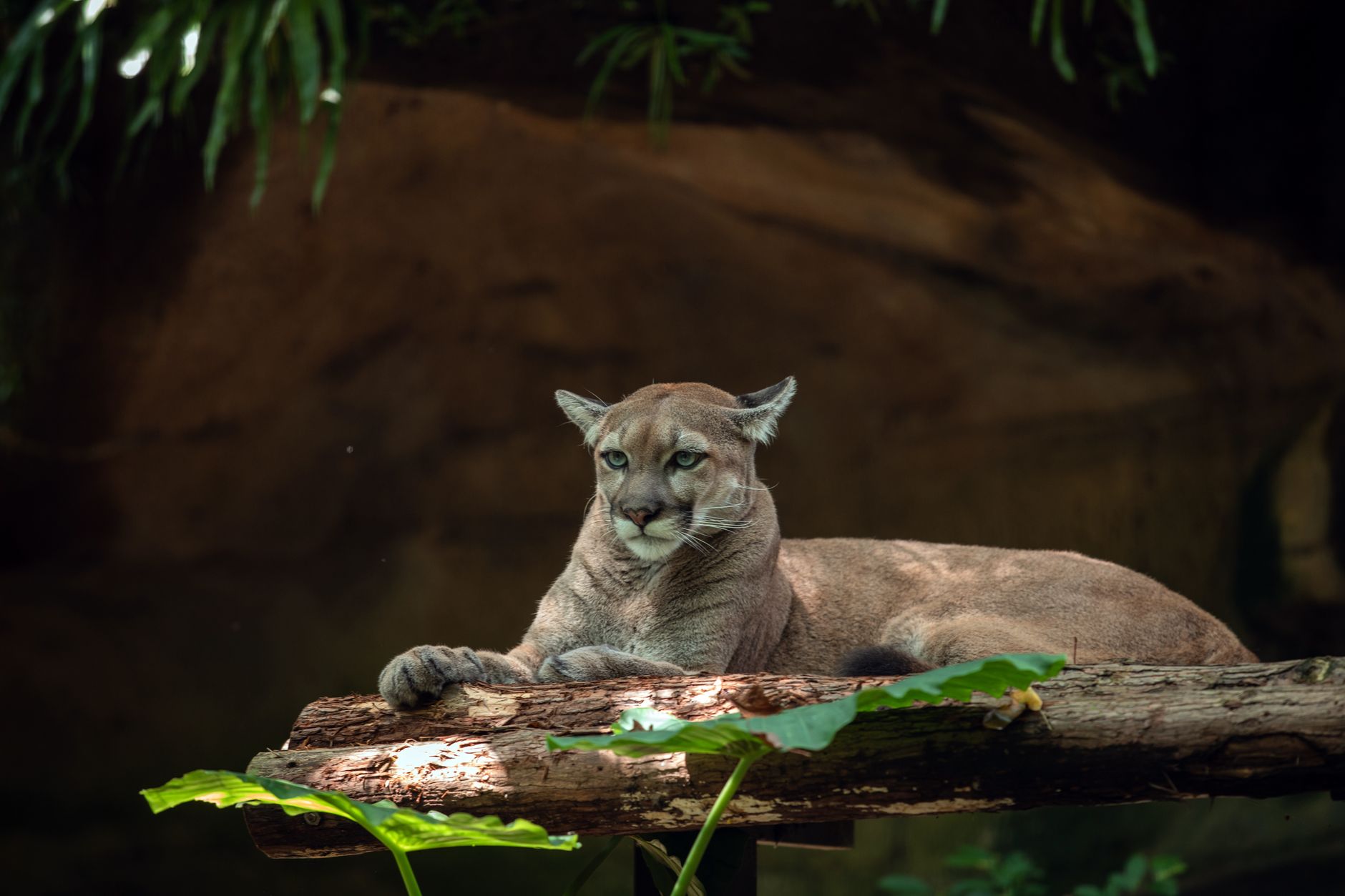
In a city where the stars often walk on two legs, it was a mountain lion named P-22 who stole the spotlight. P-22, with his tawny coat and solitary wanderings, became a symbol of resilience amid the urban sprawl of Los Angeles. His journey, captured in a photograph beneath the iconic Hollywood sign, did more than make him a local celebrity; it sparked a movement.
The Wallis Annenberg Wildlife Crossing, currently under construction at Liberty Canyon, is a testament to this feline's unexpected influence. Spanning the ten-lane Ventura Freeway, this ambitious project aims to reconnect the Santa Monica Mountains and the Simi Hills, providing a safe passage for wildlife cut off by human development.
From Celebrity to Conservation
P-22's story is both a tale of survival and a reflection on the encroachment of urban landscapes into natural habitats. As Los Angeles expanded, wildlife became increasingly isolated, leading to genetic bottlenecks and dwindling populations. The crossing, expected to be the largest of its kind, is not just an engineering marvel but a beacon of hope for conservationists.
Funding for the $87 million project has been bolstered by public support, much of which was galvanised by P-22’s fame. The project embodies a growing recognition of the need to coexist with nature, even in the most urban of settings.
A Blueprint for the Future
As construction progresses, the crossing has become a blueprint for similar initiatives worldwide. It highlights a shift in how metropolitan areas address wildlife conservation, prioritising connectivity and habitat preservation. The hope is that this innovative approach will inspire other cities to consider their ecological impact more seriously.
The Wallis Annenberg Wildlife Crossing is a reminder that sometimes, an unlikely hero can lead to profound change. In P-22’s quiet footsteps, the roar of a new era of conservation is beginning to echo across the world.