FIFA Dismisses Chief Amid World Cup Rights Controversy
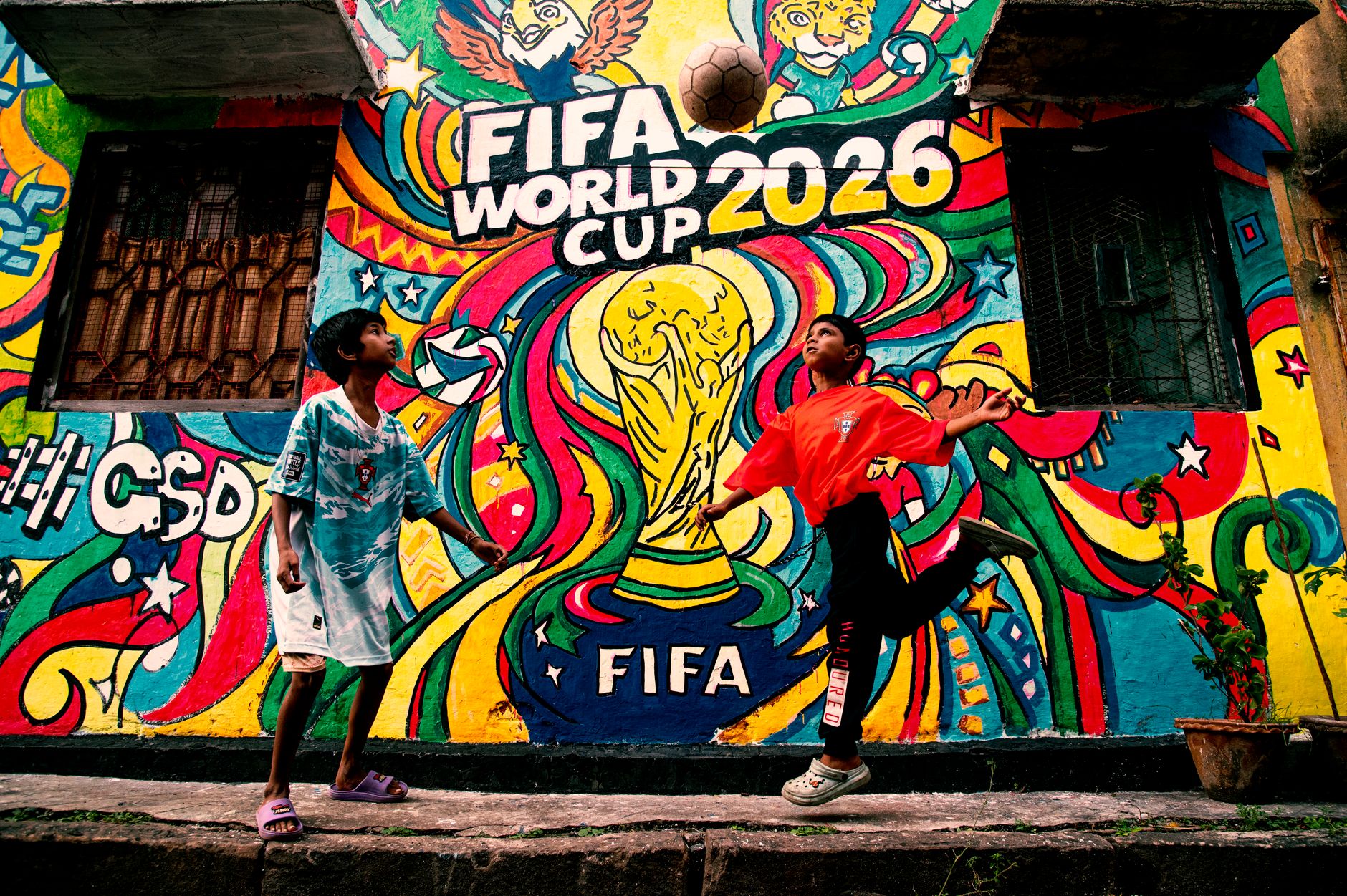
The corridors of FIFA headquarters are echoing with whispers of dissent, following the abrupt dismissal of Kevin Lamour, the organisation’s Chief Operating Officer. Lamour, a seasoned executive with a penchant for plain speaking, found himself at odds with FIFA President Gianni Infantino over a highly controversial plan to commercialise the World Cup.
Infantino's proposal to establish a new company, known as FFE, to manage the commercial and ticketing rights of all FIFA competitions, including the World Cup, has sparked a fierce debate. Lamour, in a candid interview with the Associated Press, described the move as 'deceptive' and warned it could undermine the integrity of the tournament.
This open critique did not sit well with FIFA’s hierarchy, leading to Lamour's unceremonious exit. His departure highlights the growing tensions within football's governing body as it grapples with the complexities of modernising its most lucrative asset.
Commercialisation vs. Tradition
The heart of the issue lies in the age-old conflict between commercialisation and tradition. Infantino’s vision for FFE is to inject fresh capital by selling parts of the World Cup’s rights to private investors. Proponents argue that such a move is necessary to keep the tournament financially viable and globally competitive. However, critics, like Lamour, fear it could erode the cultural and historical fabric that makes the World Cup a unique global spectacle.
Lamour’s concerns reflect a broader unease among FIFA’s stakeholders, who worry that an overemphasis on profit could detract from the sport’s ethos. The World Cup, after all, is more than just a football tournament; it is a celebration of international camaraderie and sportsmanship.
Implications for FIFA
Lamour's dismissal may have been swift, but its implications could linger. Infantino finds himself under increasing pressure, not just to justify the FFE project, but to reassure that FIFA remains committed to its founding principles. The decision to part ways with a key executive over internal critique reveals the challenges of balancing modern business ambitions with the sport’s traditional values.
As FIFA moves forward, the organisation will need to navigate these turbulent waters carefully. The outcome will undoubtedly shape the future of the World Cup and, by extension, the global football landscape. Whether FFE will prove a boon or a blunder remains to be seen, but for now, the world of football watches keenly.