FIFA's World Cup Stake Sale Plan Sparks UEFA's Fury
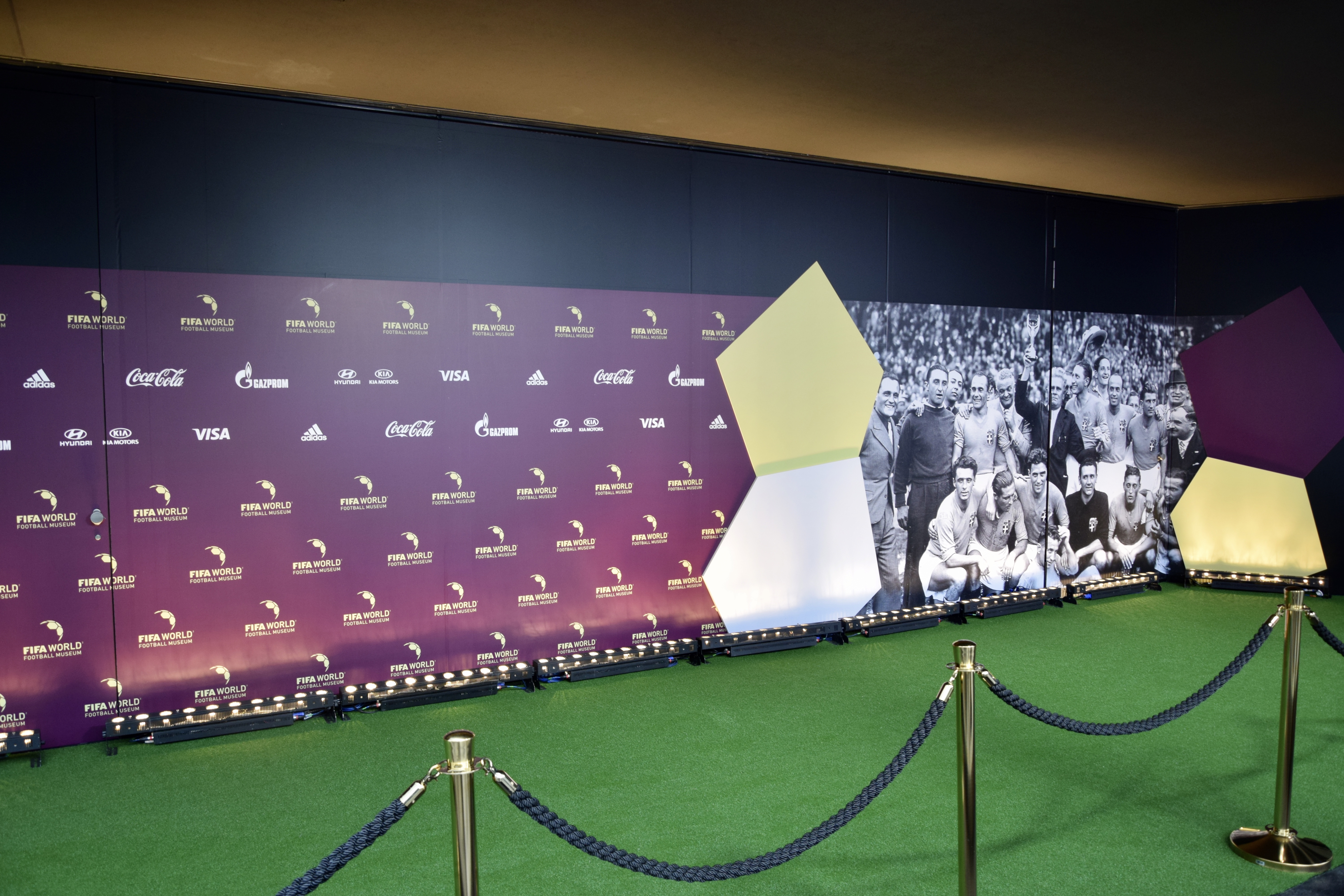
In a move that could reshape the financial landscape of international football, FIFA has announced plans to sell up to 20% of its commercial operations in the World Cup to private investors. This ambitious proposal, revealed on Tuesday, intends to form a $20 billion subsidiary that will oversee the World Cup and other major events, including the Club World Cup.
The proposed plan has, unsurprisingly, ruffled feathers, particularly within UEFA, European football's governing body. UEFA has expressed significant concern, viewing the sale as a potential threat to the autonomy and integrity of the sport's most prestigious tournament. The European body fears that handing over a slice of the World Cup's lucrative business could compromise its governance and decision-making processes.
Financial Ambitions vs Sporting Integrity
FIFA President Gianni Infantino has defended the initiative, arguing that the sale would substantially increase the funds available for development across FIFA's 211 member associations. The windfall is expected to triple the development money distributed, ostensibly providing a financial boon to smaller footballing nations.
However, critics claim that this financial focus might come at the expense of the sport's ethos. A leading fan group has lambasted the proposal as a "new low" for FIFA, expressing fears that the involvement of private investors could prioritise profit over the purity of the game.
Historic Precedent or Precarious Path?
This isn't the first time FIFA has considered inviting private investment to boost its resources. Yet, the scale and scope of this plan mark a significant departure from previous efforts. The move reflects a broader trend in international sport, where financial pressures have increasingly led governing bodies to seek unconventional revenue streams.
While the potential financial benefits are clear, the plan's success might ultimately hinge on balancing commercial interests with the integrity and tradition of football's most celebrated events. As stakeholders await further details, the footballing world watches closely, aware that the implications of this decision could reverberate for years to come.