FIH World Cup: India-Pakistan Hockey Teams and the Handshake Dilemma
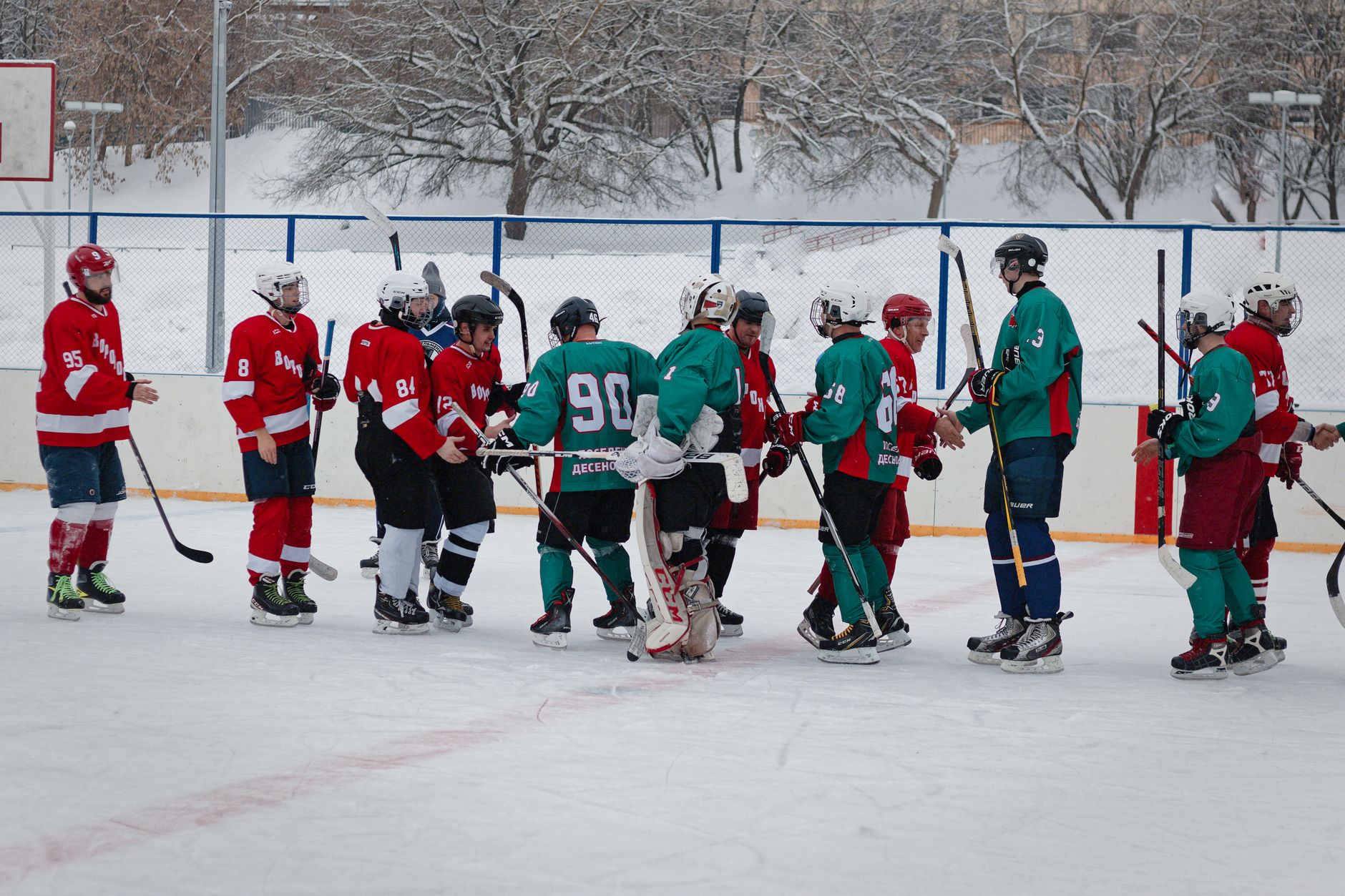
In the world of hockey, few encounters stir the pot as much as an India versus Pakistan match. As the two teams prepare to clash at the FIH World Cup 2026 in Amstelveen, the anticipation is palpable. Yet, this year, the focus isn't solely on the pitch. The pre-match handshake, or the lack thereof, has taken centre stage.
Historically, India has held the upper hand over Pakistan in recent encounters, with the latter failing to secure a victory for over a decade. This time, Pakistan's captain, Abu Bakar Mahmood, exudes confidence, determined to rewrite history. However, the shadow of a handshake snub looms large over what is already a high-pressure game.
Last September, tensions flared during the Asia Cup when the Indian team controversially refused to shake hands with their Pakistani counterparts. This seemingly small gesture—or the absence of it—ignited a diplomatic furore and left fans on both sides of the border buzzing with speculation.
The Symbolism of a Handshake
In sports, gestures often carry meanings beyond their immediate context. A handshake, particularly in the subcontinent, is more than a mere formality. It symbolises sportsmanship, mutual respect, and, crucially, a temporary truce in the face of fierce rivalry.
For many, the handshake row is emblematic of the broader geopolitical tension between the two nations. However, Samiullah Khan, a Pakistani hockey legend, advises his team to focus on their strategy rather than gestures, particularly emphasising a robust defence to avoid conceding penalty corners.
What Lies Ahead
As fans eagerly await the match, discussions about team strategy, key players, and streaming options abound. Yet, the handshake—or lack thereof—continues to be a topic of intrigue. Whether the teams will set aside their differences for a moment of sportsmanship remains uncertain.
In the grand scheme of things, the match is more than just a game. It is a microcosm of the complex relationship between India and Pakistan, played out on an international stage. The world will be watching—not just to see who wins, but to observe whether the players can bridge divides, if only for a fleeting moment.