Fitbit Air: The Screenless Health Gadget Making Waves
In a world increasingly dominated by glowing screens, the Fitbit Air has made its entrance as a breath of fresh air. This screenless health gadget is designed for those who yearn to track their fitness without the constant beeping and buzzing distractions of a digital display.
The Fitbit Air's minimalist design is a nod to simplicity, focusing on core health indicators such as step count, sleep patterns, and heart rate. By eliminating the screen, it encourages users to engage more with their physical surroundings rather than their digital ones. This is particularly appealing to individuals who find themselves tethered to technology yet aspire to break free, if only for a moment.
Embracing Simplicity
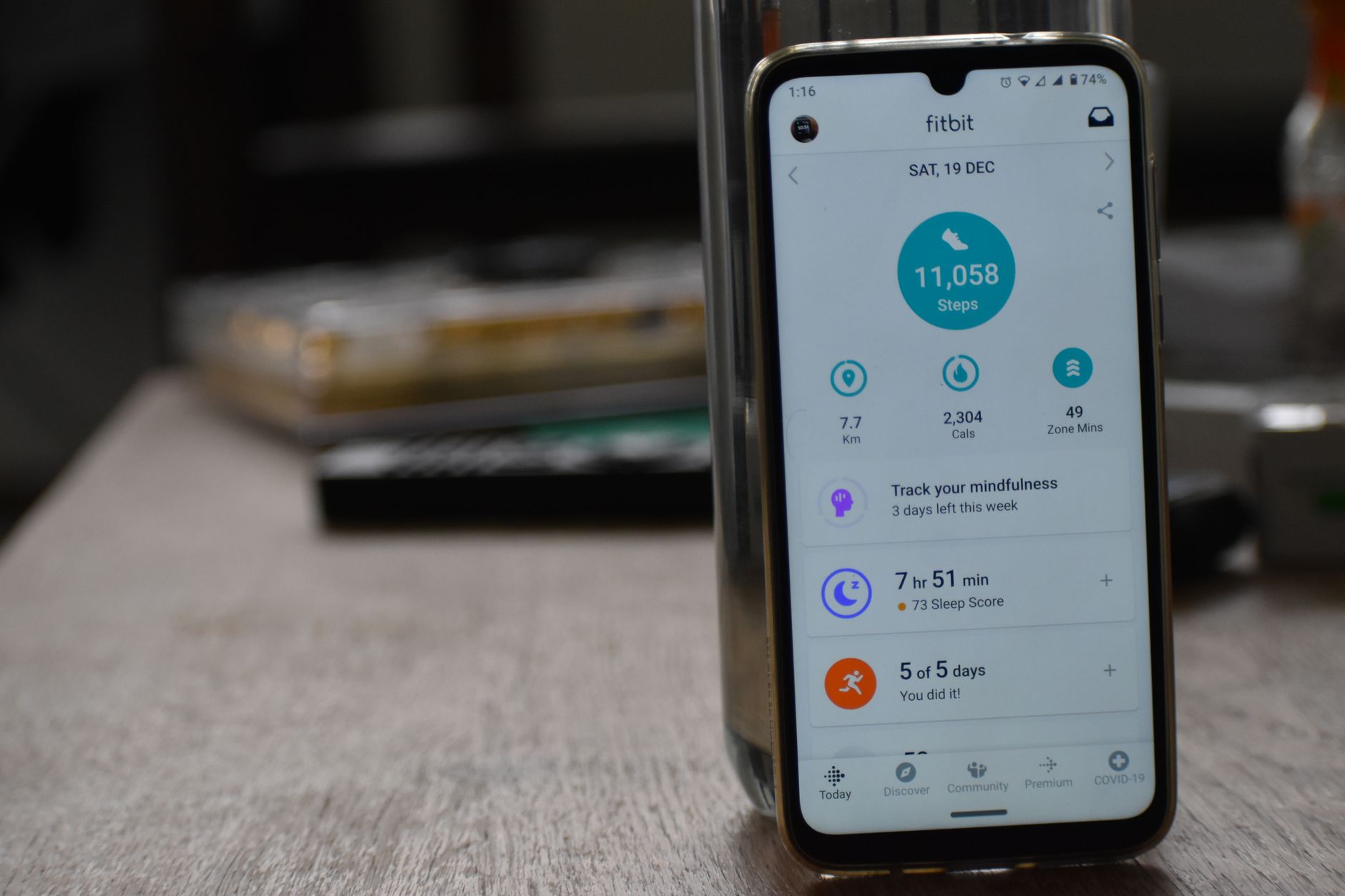
While some may question the utility of a screenless device, it is precisely this feature that sets the Fitbit Air apart. Without the need to check a screen, users are more likely to focus on the feeling of movement and the rhythm of their body, fostering a more mindful approach to exercise and daily activity. The device syncs seamlessly with smartphones, allowing users to review detailed metrics at their convenience, thus marrying the benefits of digital tracking with the peace of mind of less immediate screen time.
The Fitbit Air also aligns with a growing trend towards digital minimalism. As more people seek to reduce screen time for personal and mental health reasons, devices like the Fitbit Air offer a compelling compromise: stay informed about your health without sacrificing your desire for a less screen-centric life.
A Niche Market?
Of course, the Fitbit Air may not cater to everyone. Those who thrive on real-time data and the immediate feedback of a digital display might find it lacking. However, for the health-conscious individual who values simplicity and efficiency, this device could be the perfect fit. It's not just about monitoring health; it's about creating a balance between being informed and being present.
In essence, the Fitbit Air represents a shift in how we approach health monitoring—prioritising a quieter, less intrusive way of staying connected to our well-being. As we continue to navigate the complexities of modern life, perhaps this screenless companion is exactly what we need.