Fossil Footprints Unveil Human-like Traits in 'Nutcracker Man'
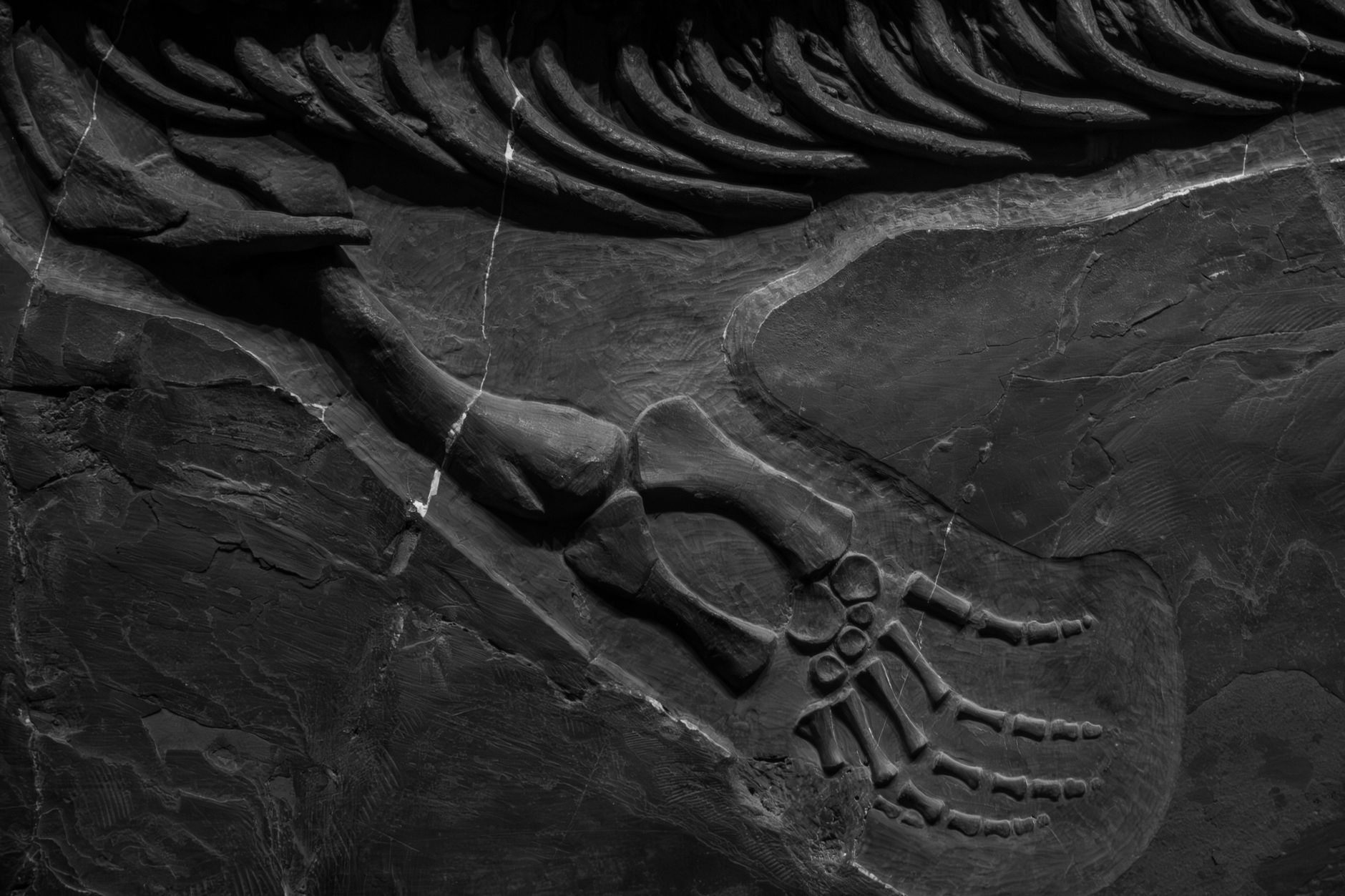
In a remarkable leap forward for palaeoanthropology, the discovery of fossilised footprints has brought to light the surprisingly human-like characteristics of Paranthropus boisei, colloquially known as 'Nutcracker Man'. These impressions, etched into ancient volcanic ash, have been unearthed in a location reminiscent of a bygone era, offering an unprecedented glimpse into the lives of our prehistoric cousins.
For years, Paranthropus boisei was perceived as a robust, ape-like figure defined by its powerful jaw and large teeth, suited for a diet of nuts and hard plant materials. However, these newly identified footprints paint a different picture. Found amidst the sedimentary layers of a lakeside habitat, the imprints reveal a creature far more adept and human-like than previously considered.
An Unexpected Revelation
The footprints, believed to be over 3.6 million years old, suggest that these hominins may have walked upright, a trait once thought to be exclusive to more advanced human ancestors such as Homo erectus. This revelation challenges the long-held assumption that upright walking was a simple, linear evolutionary development.
Dr. Kevin Hatala, a leading researcher on the project, noted that each set of footprints provides a window into a moment in time, offering direct evidence of how these early hominins interacted with their environment. The findings suggest a complexity in their locomotion and social behaviour that has yet to be fully understood.
Redefining Evolutionary Pathways
The significance of these discoveries extends beyond mere curiosity. They compel scientists to reconsider the evolutionary pathways that led to modern humans. The footprints not only redefine the capabilities of Paranthropus boisei but also highlight the intricate web of hominin evolution, where multiple species coexisted and adapted in diverse ways.
As researchers continue to analyse these footprints, they hope to unravel further details about the daily lives of these ancient beings. Were they foragers, hunters, or something entirely different? Each question leads to new possibilities, drawing us closer to understanding the rich tapestry of human history.
In the end, these findings not only shed light on the 'Nutcracker Man' but also illuminate the broader narrative of human evolution, challenging preconceived notions and inviting us to re-evaluate the intricate story of our origins.