France's Education Budget: A European Comparison
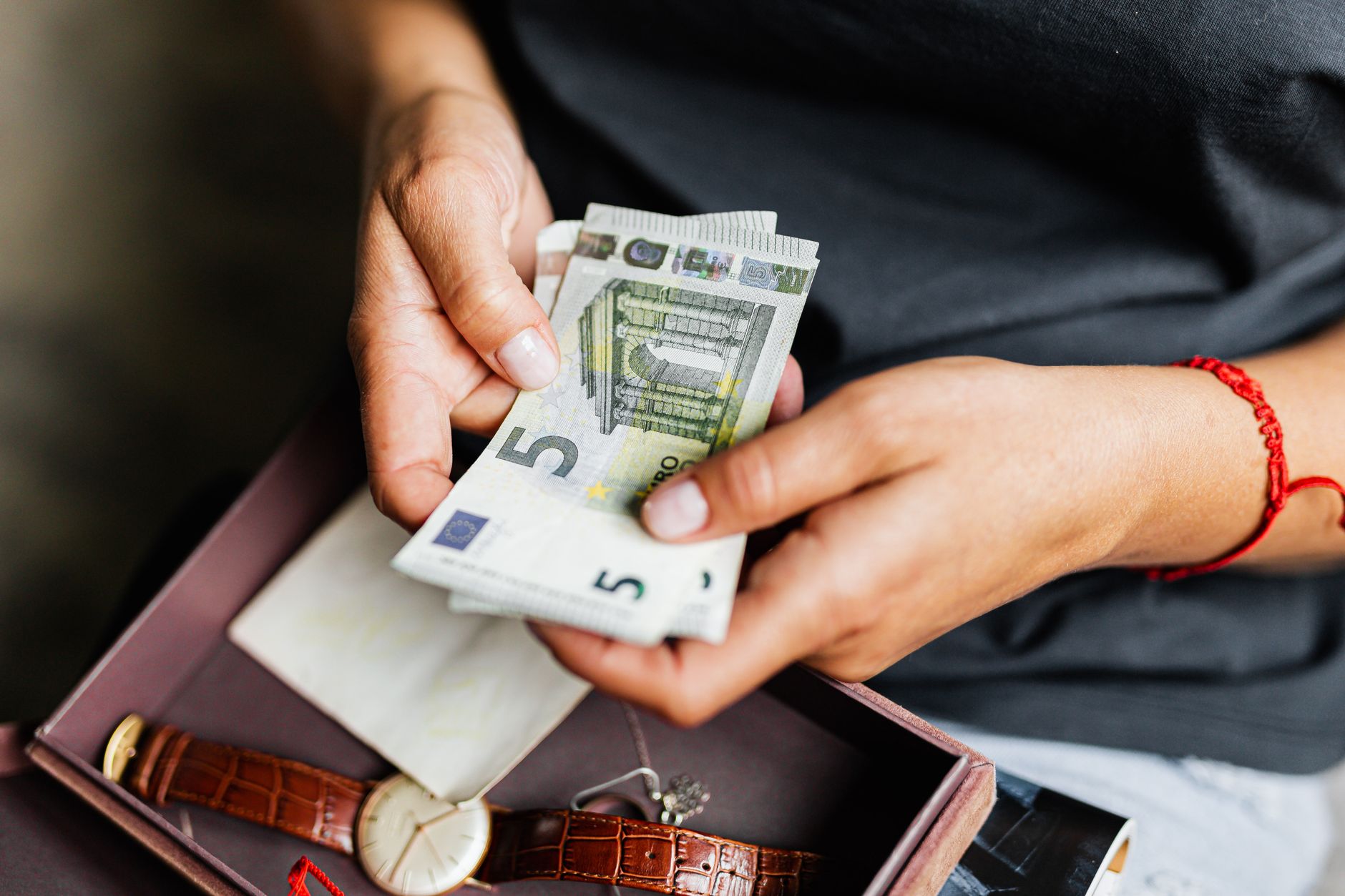
Amidst the grandeur of the Eiffel Tower and the charm of the Loire Valley, France's education system stands as a cornerstone of its national identity. Yet, as the French government grapples with economic challenges, the scrutiny of its education expenditure has intensified. The question on many lips: how does France's investment in education compare with its European neighbours?
In 2026, France allocated approximately 5.5% of its GDP to education, a figure that positions it comfortably within the average range for European Union countries. However, this percentage, while seemingly adequate, belies a more complex narrative. Countries like Sweden and Denmark, often lauded for their educational systems, invest upwards of 6% of their GDP, reflecting a different set of priorities.
The Bigger Picture
Understanding these figures requires a closer look at what they represent. France's education budget supports a comprehensive system that includes everything from preschool to higher education. The government’s commitment to free education up to the secondary level is commendable, yet challenges persist. Issues such as teacher salaries, class sizes, and infrastructure continue to demand attention.
The French model places a strong emphasis on equal access, aiming to level the playing field across its diverse population. However, this approach necessitates significant financial resources, which are becoming increasingly difficult to secure amidst fiscal constraints.
International Comparisons
When compared to its European peers, France’s spending reveals both strengths and weaknesses. Germany, for instance, spends a similar proportion of GDP on education but places a stronger emphasis on vocational training, which has led to lower youth unemployment rates. Meanwhile, the United Kingdom, with its distinctive funding model, faces different challenges but often draws criticism for high tuition fees in higher education.
France’s focus remains on maintaining a balanced approach, ensuring both academic and vocational pathways are robust. The question remains whether this balance is sustainable as economic pressures mount.
For French students and educators, the stakes are high. The nation’s future hinges on its ability to adapt and prioritise within its budgetary constraints. As the debate continues, the broader implications for France’s position in the global education landscape are becoming increasingly clear.