France's Education Expenditure: A European Perspective
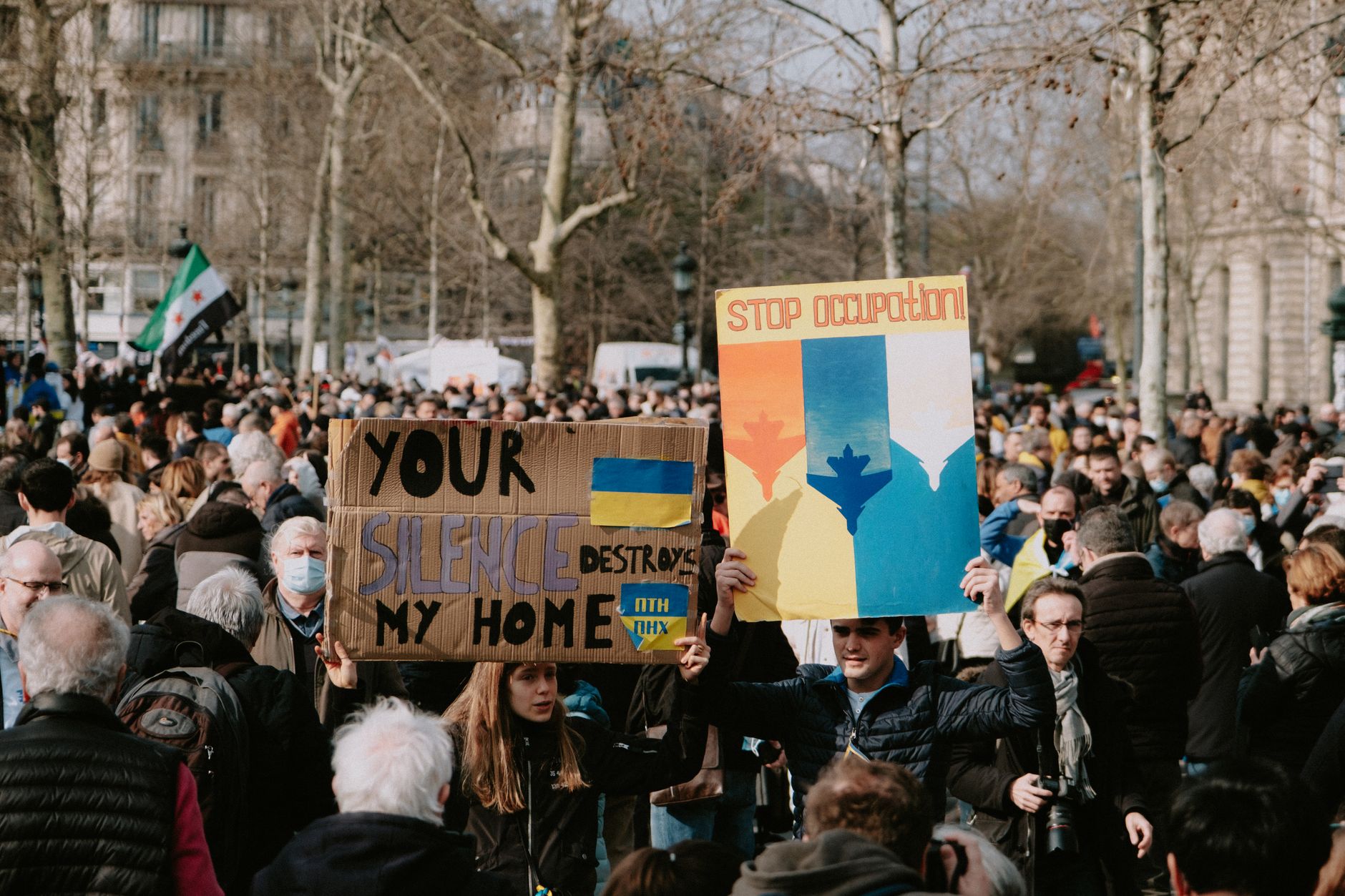
Amidst the clatter of protests echoing through the streets of France, a central issue emerges: the nation's expenditure on education. Students, emboldened by a desire for better learning conditions and equitable opportunities, are questioning whether France's financial commitment to education is adequate.
France's education ministry was one of the few to receive a budget increase in the forthcoming fiscal plan. Yet, critics argue that even this boost does little to counteract the effects of inflation, leaving educational institutions struggling to keep up with rising costs.
Comparative Analysis: France vs Europe
According to Eurostat, Sweden leads the European pack, dedicating 7.3% of its GDP to education in 2024. Iceland follows closely with 7%, and Belgium, Estonia, and Finland each allocate 6.3%. France, on the other hand, does not feature among the top spenders, raising eyebrows about its priorities in comparison to its European neighbours.
One reason for France's relatively higher spend on secondary education is its extensive vocational programmes. These programmes, while costly, often lack the recognition they deserve, even within France. This raises questions about the efficiency of such investments and whether they truly serve the student population as intended.
The Wider Implications
Education, a critical pillar for any nation's future, reflects not just the current socio-economic priorities but also forecasts the potential for innovation and growth. France's inability to match the spending levels of its Nordic counterparts suggests a need for re-evaluation of its educational strategies.
The current unrest in France underscores a broader dissatisfaction with the status quo. It is a clarion call for policymakers to not only increase funding but also to ensure that such funding translates into tangible improvements in learning conditions and outcomes. As students take to the streets, the message is clear: investment in education is not just a fiscal matter, but a social imperative.