France's School Protests: A Nation at a Crossroads
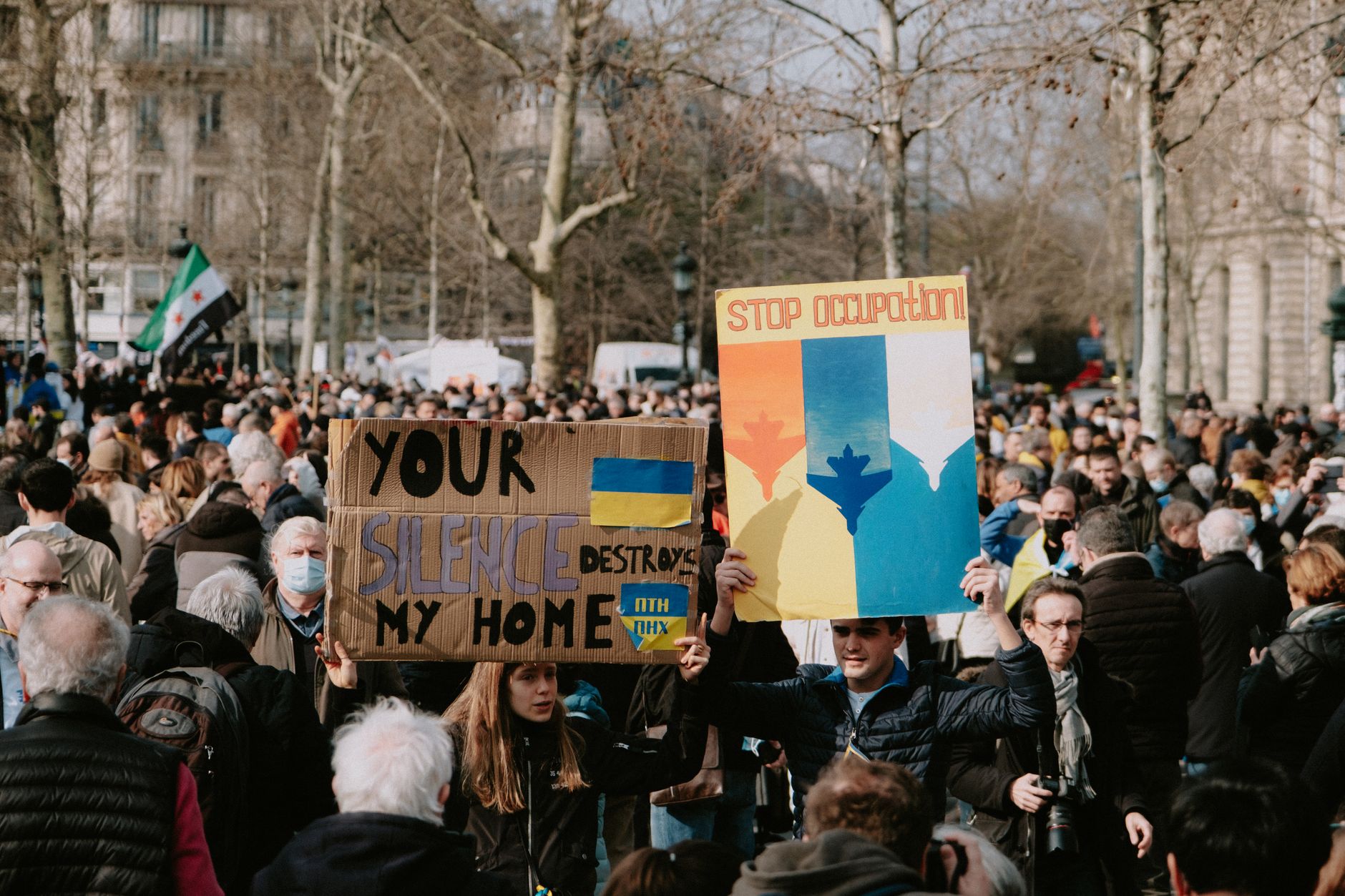
On the cobblestoned streets of Paris and beyond, France finds itself in the throes of a protest movement that has mushroomed from concerns over classroom conditions to a full-blown political crisis. What started as a student's lament over missing teachers and dilapidated buildings has swelled into a national outcry, drawing in not just pupils but their parents, teachers, and a swath of disenchanted citizens.
The protests, which saw approximately 550,000 people demonstrating nationwide, serve as a barometer for a populace fed up with perceived governmental inaction on several fronts. At the heart of the unrest lies a cocktail of grievances: the soaring cost of living, stagnant wages, and a budget plan that critics argue freezes essential benefits while failing to address the needs of the ordinary French citizen.
The Roots of Discontent
Initially sparked by a handful of student complaints about school timetables and overcrowded classrooms, the protests quickly gained momentum. The presence of parents and teachers on the barricades underscores a shared exasperation with a system many feel is crumbling.
Analysts note that the unrest is symptomatic of deeper economic anxieties. France, like much of Europe, grapples with rising fuel prices and an economy still recovering from the pandemic's aftershocks. For many, the protests are as much about these broader economic struggles as they are about education.
Government's Response Under Scrutiny
The French government's response has been marked by accusations of heavy-handedness. Police tactics have come under fire, with numerous arrests and reports of violence further inflaming tensions. Critics argue that the government's approach has only served to galvanise the movement, turning what might have been localised unrest into a national phenomenon.
As President Emmanuel Macron navigates this turbulent period, his administration faces a critical test. The protests have become emblematic of a broader demand for change, a challenge that goes beyond educational reform and speaks to the very fabric of French society.
Whether the government can quell the unrest remains uncertain. What is clear, however, is that France stands at a crossroads, with the potential for significant political ramifications. The next steps taken by both the government and the protesters will undoubtedly shape the country's future trajectory.