France's School Protests: A Symptom of Deeper Political Strife
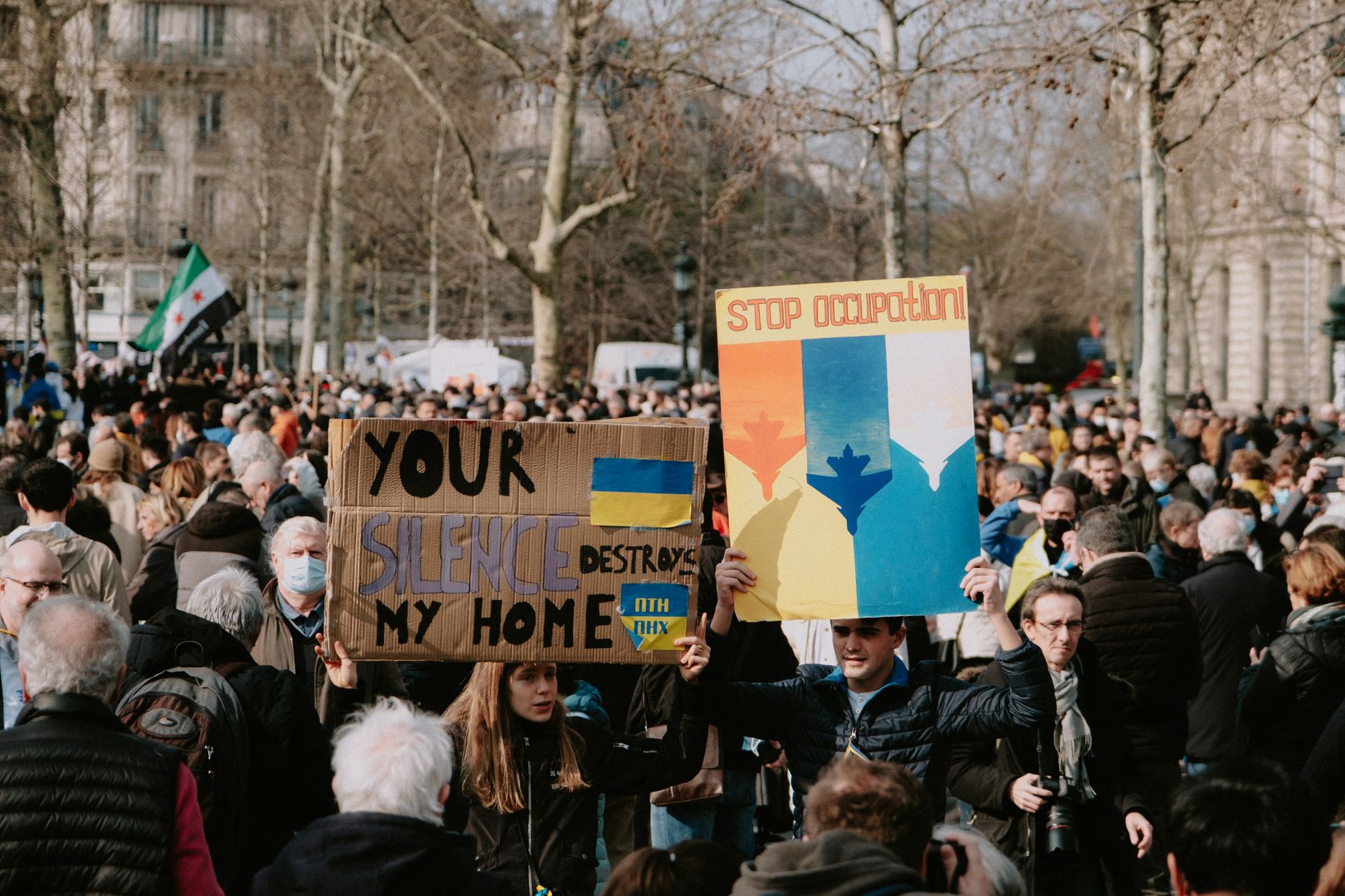
The tumultuous scenes unfolding across France’s educational institutions are not merely a reflection of academic discontent but a manifestation of broader societal frustration. What started as isolated protests by students against crumbling school infrastructure and severe budget cuts has rapidly morphed into a nationwide movement, laying bare the fissures within President Emmanuel Macron’s administration.
Discontent in the Classroom
Initially, students took to the streets to decry the deplorable state of their schools—dilapidated buildings, inadequate resources, and an education budget that seems to shrink with each passing year. However, these grievances have struck a chord with the wider public, resonating with broader concerns about austerity measures and economic inequality.
The government’s response, perceived by many as heavy-handed, has only exacerbated tensions. Reports of police violence during protests have further galvanised students and drawn the ire of civil rights groups, adding fuel to an already raging fire.
Political Repercussions
With the 2027 presidential elections on the horizon, Macron’s handling of this crisis could significantly impact his political future. The protests have become a lightning rod for criticism of his government’s policies, particularly in education and social welfare. Opposition parties are seizing the opportunity to rally around the students’ cause, framing it as emblematic of Macron’s failure to address France’s socio-economic woes.
As international media spotlight the unrest, comparisons to previous French political upheavals are inevitable. Yet, what distinguishes the current scenario is the convergence of educational discontent with broader economic anxieties, creating a potent mix that threatens to destabilise Macron’s political standing.
The Path Forward
For France, the protests are more than a mere educational issue; they are a barometer of public sentiment. As Macron navigates this precarious political landscape, the challenge lies in balancing immediate responses to student demands with long-term strategies to address systemic inequalities.
Whether the government can quell the unrest without further alienating its citizens remains to be seen. One thing is certain: the outcome of this crisis will reverberate far beyond the corridors of France’s schools, potentially shaping the nation’s socio-political landscape for years to come.