French Schools Shuttered Amid Violent Student Protests
France finds itself in the throes of student-led protests that have gripped the nation with an intensity rarely seen in recent years. What began as a modest movement in the Paris suburbs has mushroomed into a nationwide upheaval, with nearly 2,000 high schools either blockaded or closed.
The students, predominantly teenagers, are voicing their discontent over what they perceive as chronic underfunding and inequality in the education system. The protests have not only highlighted these grievances but have also exposed a broader dissatisfaction with the government's perceived inaction.
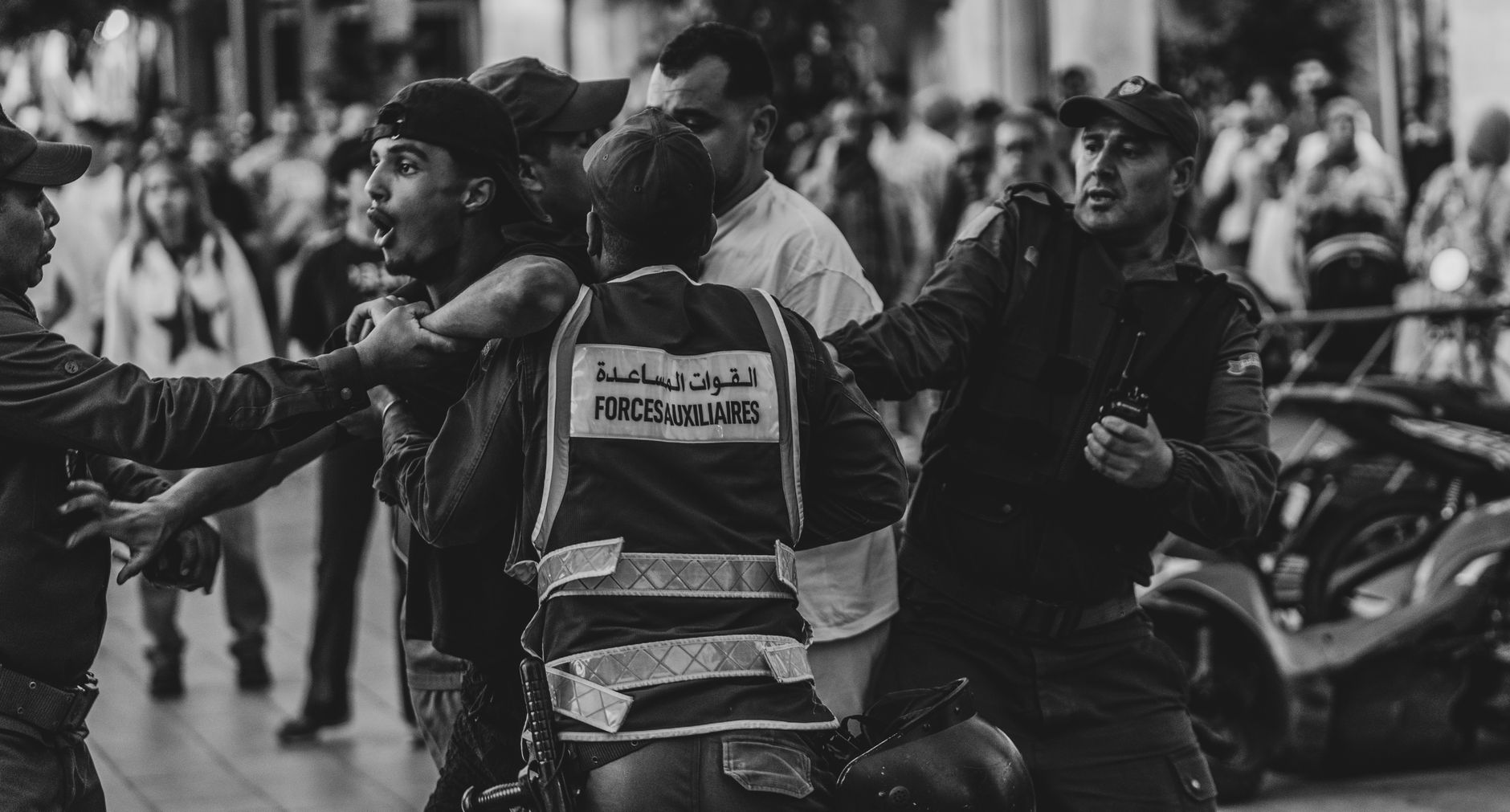
Scenes of chaos have unfolded across the country, with students clashing with police forces in a series of confrontations that have sometimes turned violent. In the city of Nancy, for instance, students gathered in large numbers, resulting in several arrests and injuries.
Escalating Tensions
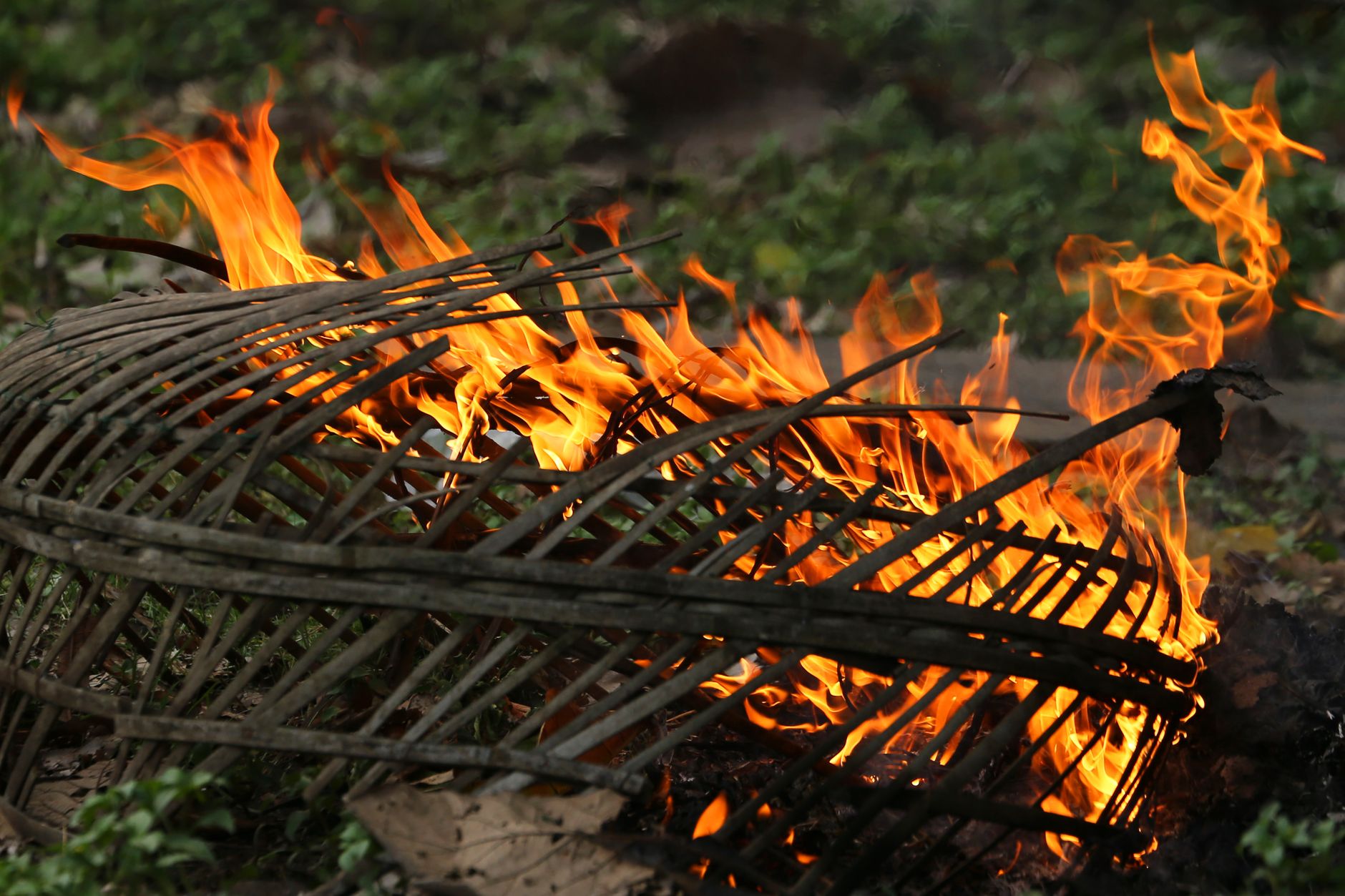
The unrest has escalated over the past week, with students setting up barricades and lighting fires outside school premises. The protests have drawn comparisons to the historic student movements of the late 1960s, though contemporary grievances are firmly rooted in the present-day challenges of educational inequality.
Government officials have scrambled to address the situation, but their efforts have thus far done little to quell the mounting frustration. The Education Minister, aware of the growing discontent, has promised to engage in dialogue with student representatives. However, many fear that mere dialogue may not suffice to address the fundamental issues at play.
A Call for Change
At the heart of the protests is a call for significant investment in educational infrastructure and resources. Students argue that overcrowded classrooms and outdated materials hinder their learning experience, putting them at a disadvantage compared to their peers in other European nations.
As the protests continue, many in France and beyond are watching closely to see how the government will respond to this latest challenge. Some commentators suggest that the unrest could be a harbinger of broader social change, as young people increasingly demand a more equitable future.
For now, the suspension of classes remains in place, and the nation's high schools are battlegrounds in a struggle that seems far from over. Whether the government can find a resolution that satisfies the students' demands without resorting to further force remains uncertain.