From Barley to Biodiversity: The Untouched Evolution of a British Field
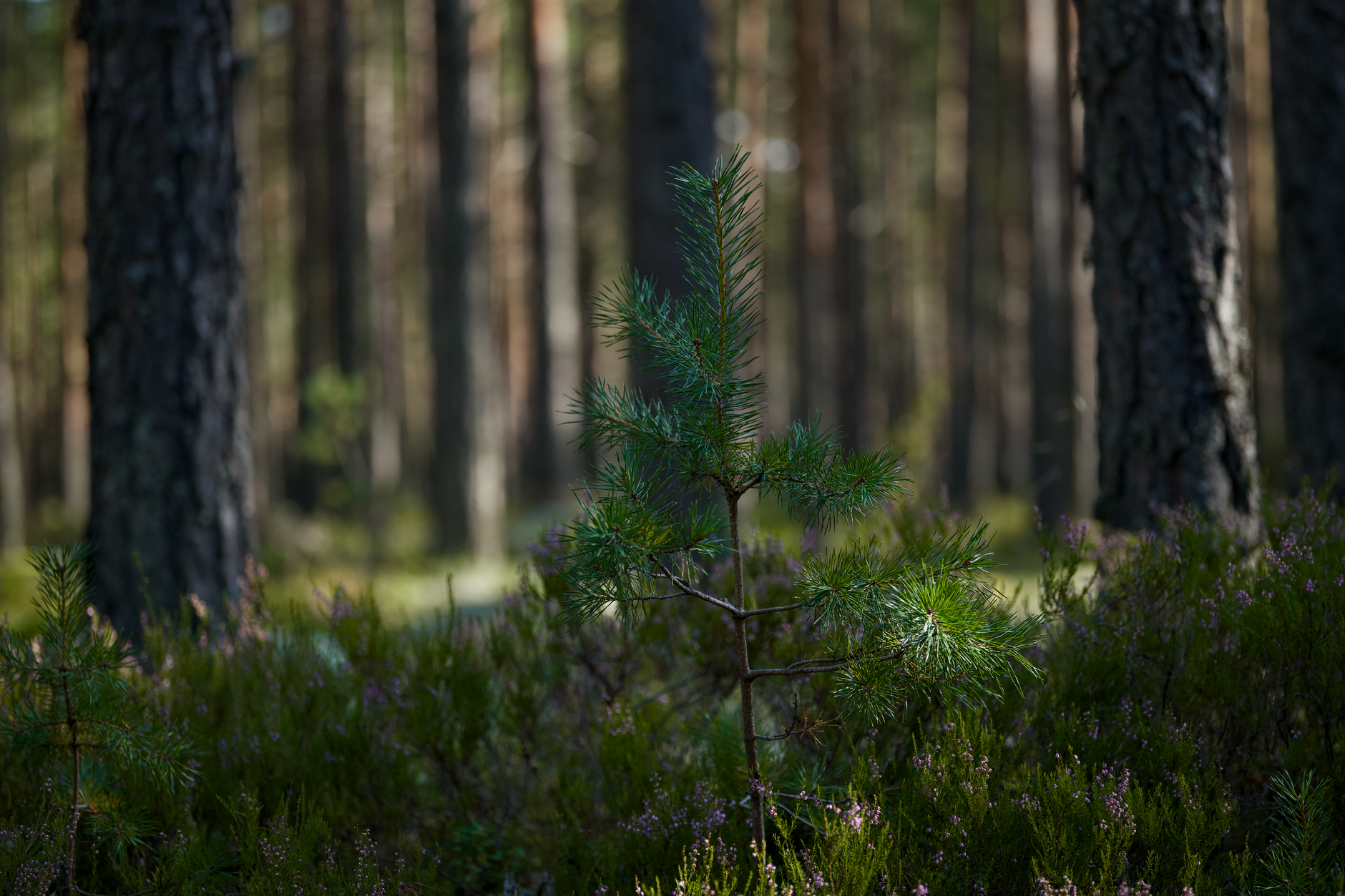
In the summer of 1961, a four-hectare barley field in Britain was left to its own devices by scientists curious to see how nature would reclaim it. Sixty years on, the 'Old Wilderness', as it is now known, has become a living laboratory, offering profound insights into the processes of natural regeneration.
The decision to abandon the field was part of a pioneering experiment to observe ecological succession — the process by which a biological community evolves over time. What was once a neatly ploughed field is now a dense woodland, its transformation meticulously documented by researchers using both traditional field surveys and cutting-edge lidar laser scanning technology.
A Natural Transformation
Over the decades, the 'Old Wilderness' has developed into a complex ecosystem, home to a diverse array of flora and fauna. The initial stages saw the rapid growth of pioneer species, which gradually gave way to more complex plant communities. This spontaneous rewilding has attracted a host of wildlife, from insects to birds, creating a thriving habitat.
Scientists are particularly interested in understanding how different species interact within this environment and how these interactions drive ecological changes. The use of lidar technology has been instrumental in mapping the structure of the woodland, revealing intricate details about tree canopy height and density.
Implications for Conservation
The findings from the 'Old Wilderness' project have far-reaching implications for conservation efforts. By demonstrating how ecosystems can recover when left undisturbed, the site provides a compelling argument for rewilding initiatives in other parts of the world. It underscores the resilience of nature and the potential for landscapes to regenerate without human intervention.
As researchers continue to monitor this evolving ecosystem, the 'Old Wilderness' stands as a testament to the power of nature to heal and adapt. It offers a rare glimpse into how landscapes transform over time, providing valuable lessons for both scientists and policymakers committed to preserving biodiversity.