From Cyclops to Humans: The Fascinating Evolution of Eyes
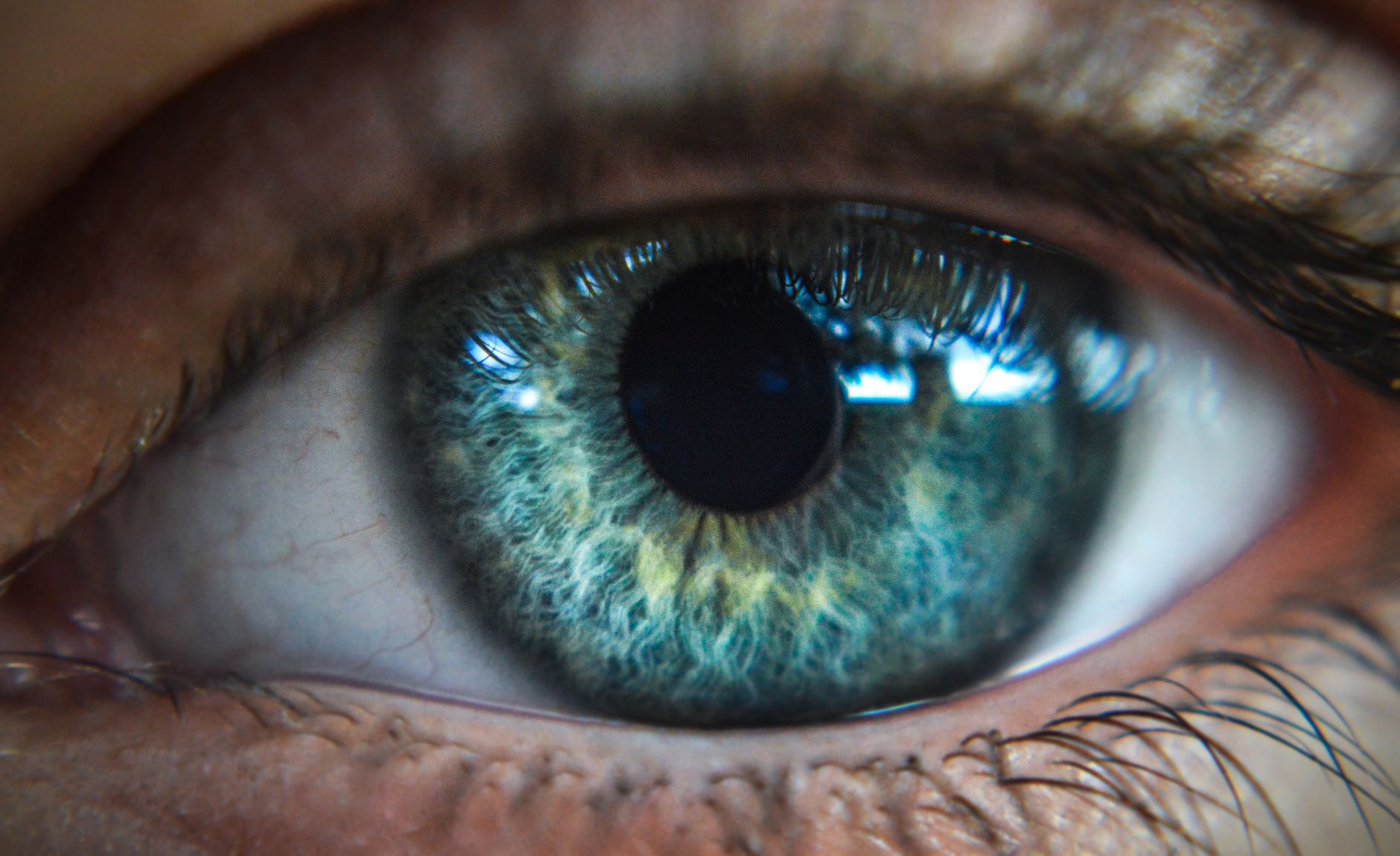
In a revelation that seems to leap straight from the pages of mythology, scientists have traced the origins of human eyes to a primordial creature with a single median eye. This discovery sheds light on the evolutionary journey that distinguishes vertebrate eyes from those of other creatures.
An Ancient Cyclops Revealed
The notion of a cyclops—a creature with a solitary eye—has long been confined to the realm of myth. However, recent research suggests that this concept might not be entirely fictional. An ancient ancestor of vertebrates, akin to a cyclops, is believed to have possessed a single, light-sensitive organ in the centre of its head.
This median eye, researchers posit, is the evolutionary predecessor of all vertebrate eyes, including those of humans. Unlike the eyes of insects and cephalopods, which develop from skin tissue, vertebrate eyes originate from brain tissue. This unique developmental pathway sets vertebrate eyes apart, allowing for remarkable adaptations over millions of years.
The Pineal Gland: A Living Relic
Intriguingly, a remnant of this ancient median eye persists within the human brain. The pineal gland, a small endocrine organ, is considered by some scientists to be a vestigial structure of the original cyclopean eye. Though it no longer functions as a light sensor, its existence is a testament to the evolutionary narrative that has shaped vertebrate vision.
The research, led by Professor Dan-E Nilsson, also uncovers the origins of the neural circuits responsible for image analysis in our retinas. These findings highlight how vertebrate vision has evolved to become a sophisticated system capable of processing complex visual information.
As scientists continue to unravel the mysteries of evolution, the story of the cyclops-like ancestor offers a fascinating glimpse into the past. It stands as a reminder of the intricate tapestry of life and the shared history that binds all vertebrates.