Fructose: The Unexpected Ally of Cancer's Spread
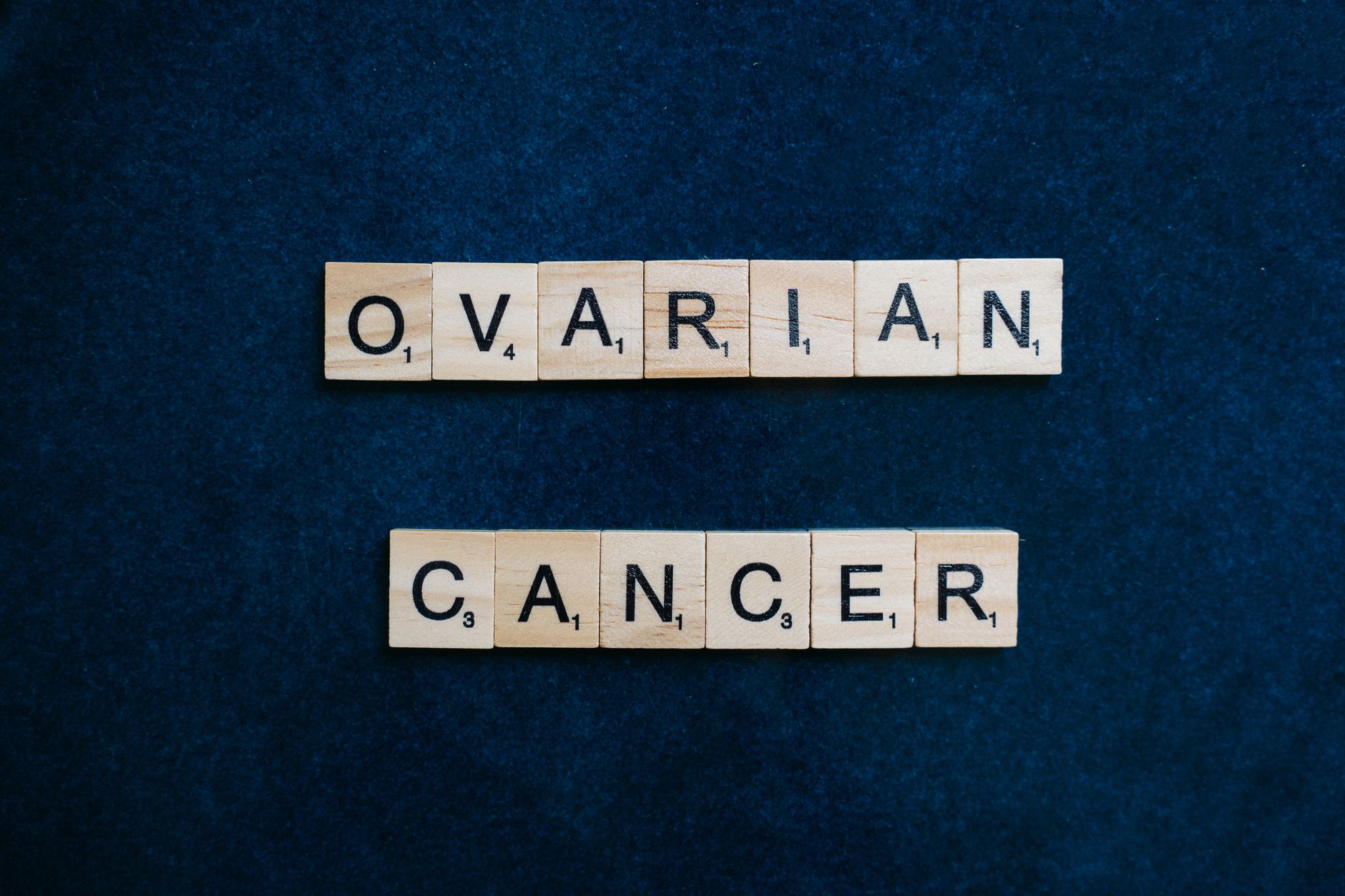
In the labyrinthine battle against cancer, researchers have uncovered a disconcerting twist. Fructose, a sugar as commonplace as the morning cup of tea, may be aiding ovarian cancer cells in their deadly spread post-chemotherapy. This revelation, courtesy of The Wistar Institute, reveals a previously unknown pathway that could alter our understanding of cancer's resilience.
Surviving the harsh onslaught of chemotherapy, some ovarian cancer cells release fructose, a sugar that does more than sweeten our diet. It seemingly acts as a molecular signal, coaxing dormant tumour cells to shed their lethargy, break free, and invade new territories within the body. It's a sobering reminder of the cunning nature of cancer, which continues to evade and adapt in the face of medical advances.
The Underlying Mechanism
This newfound role of fructose adds an unexpected layer of complexity to the treatment of ovarian cancer, one of the deadliest forms of the disease. About 21,010 women in the United States are expected to be diagnosed with this cancer by 2026, with nearly half that number succumbing to it, according to the American Cancer Society. The discovery could explain why some cancers return with a vengeance after seemingly successful treatment.
The study's findings suggest that cancer cells, once considered vanquished, lie in wait, armed with a sugary weapon that compels their dormant brethren to act. This has raised questions about the current approaches to cancer treatment and whether they inadvertently prime the body for a more aggressive recurrence.
Implications for Future Treatment
The implications of this study are far-reaching. If fructose truly plays a role in aiding cancer's spread, it may necessitate a reevaluation of dietary recommendations for patients undergoing treatment. More importantly, it underscores the need for treatments that can target not just the cancer cells, but the very environment in which they thrive.
As researchers delve deeper into this sugary conundrum, the hope is to develop strategies that could block this fructose-fuelled mechanism, thereby providing a new line of defence against the spread of cancer. It's a stark reminder that, in the fight against cancer, every molecule counts.