Gen Alpha Rise: School Protests Unveil Education Gaps
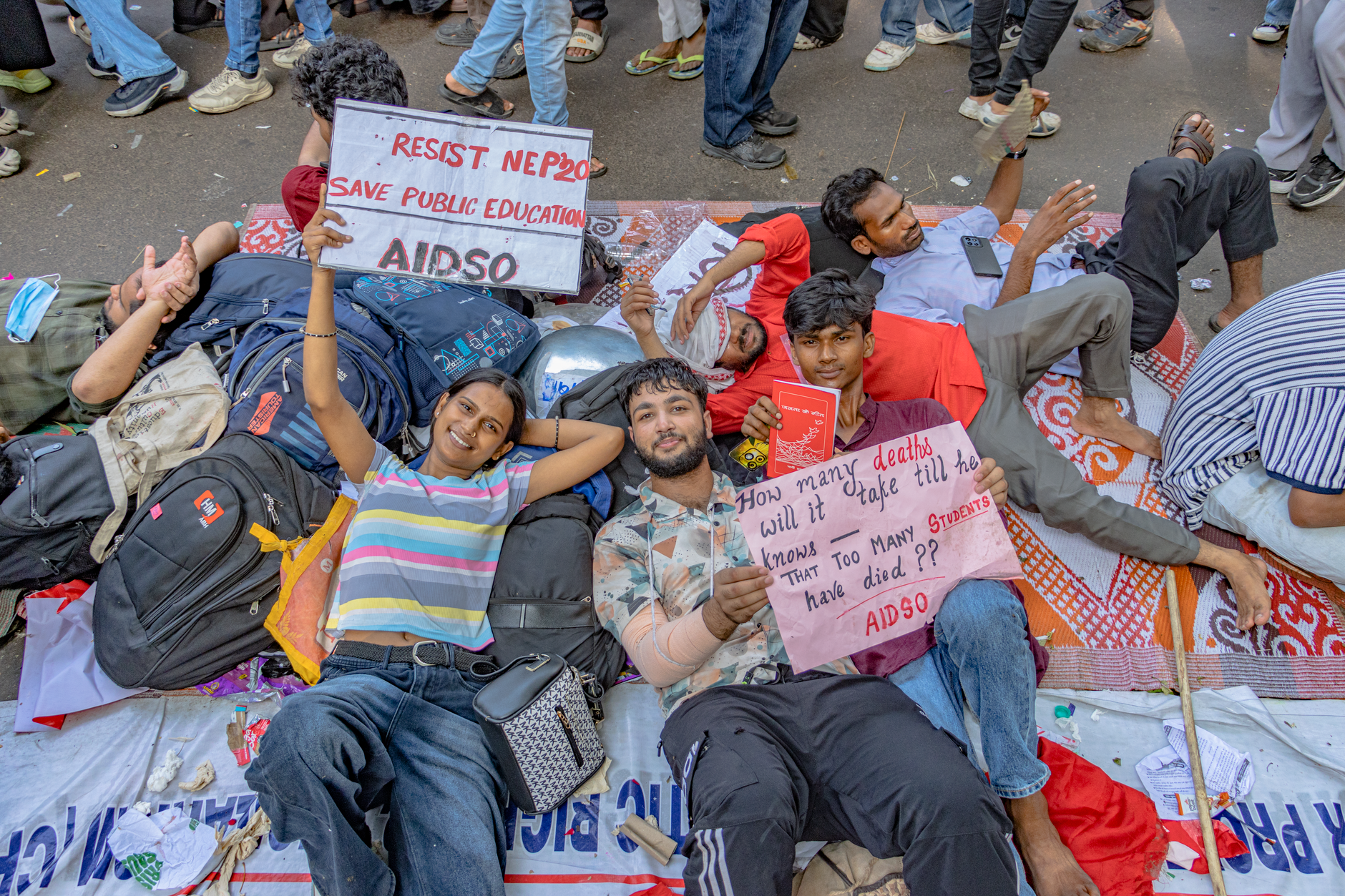
In a surprising turn of events, India's youngest generation, often dubbed Generation Alpha, has taken to the streets. These school children, some as young as eight, are not demanding the latest gadgets or video games, but rather essentials like teachers and toilets. The protests, which have spread across ten Indian states, highlight a stark reality: the country's education system is floundering.
In recent weeks, children have gathered outside their dilapidated school buildings, armed with placards and a simple message: provide us with what we deserve. This grassroots movement is not only a cry for help but also a direct challenge to the findings of a government report, which recently revealed significant gaps in the provision of education across the nation.
The Discrepancy Exposed
The protests have shone a spotlight on the discrepancies between the data presented by the Unified District Information System for Education Plus (UDISE+) and the reality experienced by students. While official records may suggest adequate staffing and infrastructure, the on-ground situation tells a different story. Many schools are grappling with severe teacher shortages, unsafe buildings, and a lack of basic amenities such as clean drinking water and hygienic toilets.
Uttar Pradesh, one of the states at the centre of these protests, has witnessed an immediate response from Chief Minister Yogi Adityanath, who has called for tighter monitoring of educational institutions. Yet, the question remains: will these measures be enough to address the systemic issues plaguing the education sector?
A Call for Accountability
The protests have also reignited discussions around the Right to Education (RTE) Act and the rights enshrined under the UN Convention on the Rights of the Child. For a country that prides itself on its burgeoning youth population, the lack of substantial investment in their education is a glaring oversight.
Experts argue that these protests could serve as a catalyst for change, urging the government to take tangible steps towards fulfilling its promises. The demand is clear: ensure every child, regardless of their socio-economic background, has access to quality education.
As the protests continue to gain momentum, the ball is firmly in the court of the authorities. Whether they will rise to the occasion and rectify these educational inequities remains a pivotal question.