Genetic Challenges: Inbreeding Threatens Elephant Health in Malaysia
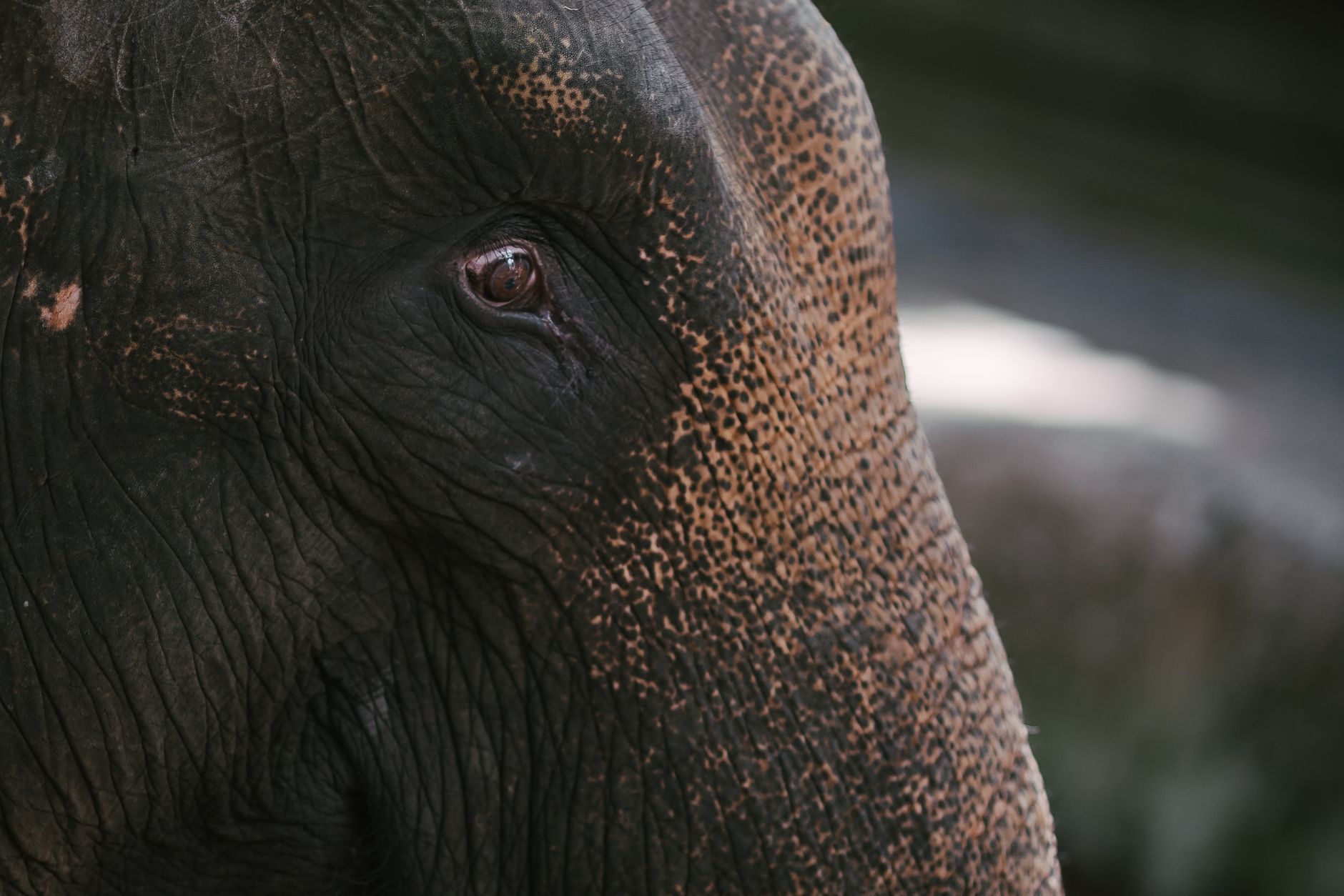
The elephant, a symbol of wisdom and strength, now faces a threat not from poachers, but from its own genetic makeup. A recent study conducted in Malaysia has uncovered alarming levels of inbreeding among the country's elephant population, particularly highlighting the plight of the Bornean elephants. These gentle giants, it seems, are caught in a genetic trap of their own making.
The study, carried out by a team of dedicated researchers in Kota Kinabalu, reveals that approximately 65% of the DNA in Bornean elephants is inherited identically from both parents. This high percentage is a tell-tale sign of prolonged inbreeding, which has been linked to a host of health issues, including increased susceptibility to genetic disorders.
Genetic Bottleneck
Inbreeding, while not a new phenomenon, is particularly troubling for species with limited populations. As elephant habitats shrink due to human encroachment and environmental changes, these animals find themselves with fewer mating options. The resulting genetic bottleneck is as dangerous as it is inevitable.
Dr. Aisha Rahman, one of the lead researchers, emphasises the urgency of the situation: "Our elephants are in a precarious position. Without immediate intervention, we risk losing an entire subspecies to genetic decline."
Conservation Strategies
Safeguarding the future of these majestic creatures will require a multifaceted approach. Conservationists are advocating for initiatives that promote genetic diversity, such as habitat restoration and managed breeding programmes. These efforts aim to counteract the adverse effects of inbreeding by broadening the gene pool.
Moreover, international cooperation is deemed essential. Countries with significant elephant populations must work together to develop cross-border conservation strategies. Sharing genetic material through controlled breeding can help diversify the gene pool, thus reducing the risks associated with inbreeding.
The fate of the Bornean elephants, and indeed all elephants in Malaysia, hinges on the implementation of these strategies. As scientists continue their research, the hope is that their findings will spur action before it's too late.