German Innovation: Harvesting Water from the Driest Air
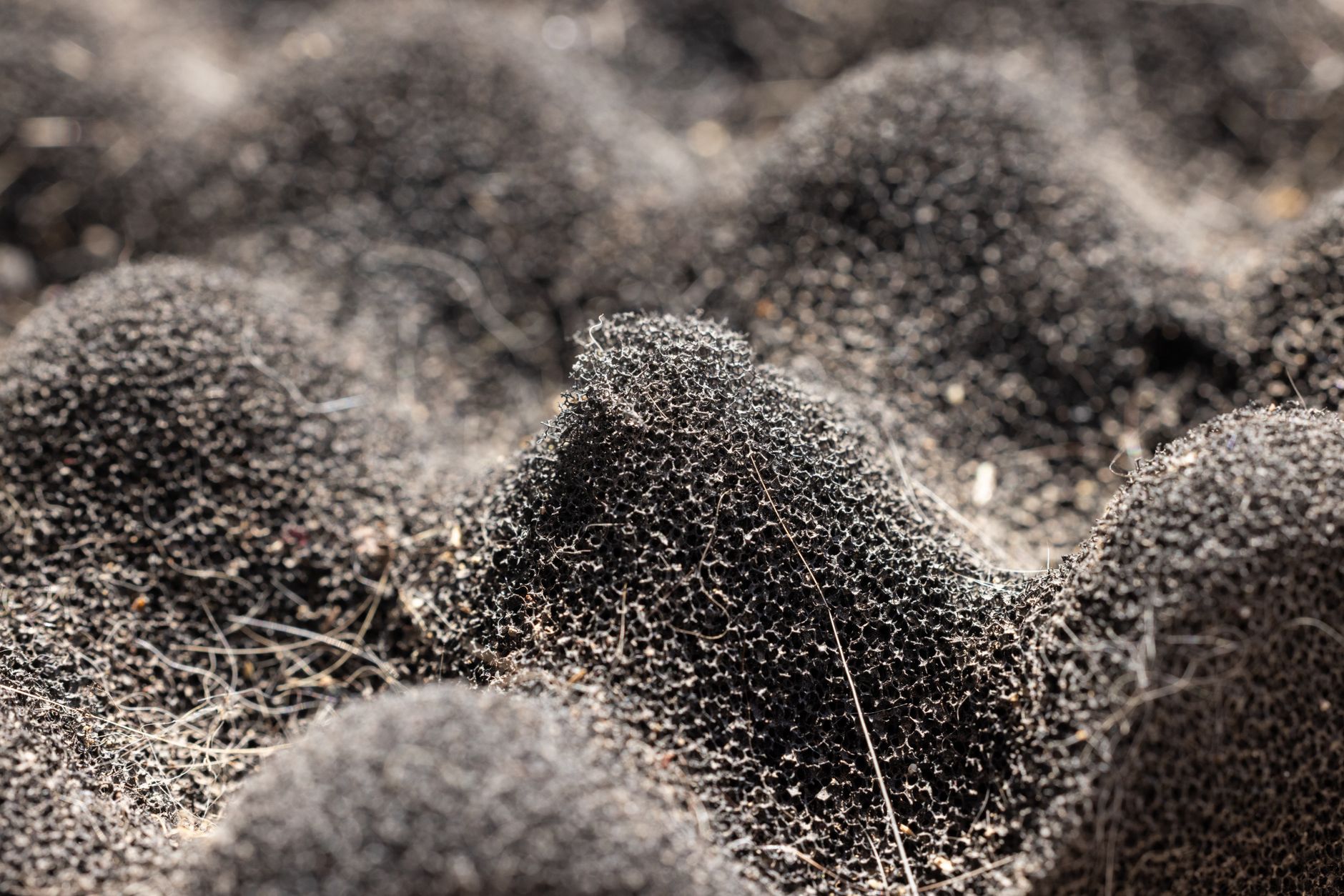
In a remarkable stride towards addressing global water scarcity, German scientists have developed a sponge-like material that can extract drinking water from air as arid as 18% humidity. This technological marvel offers a glimmer of hope for regions battling severe droughts and dwindling water supplies.
The material, a porous concoction, is capable of capturing up to 1.8 litres of water per kilogram each day. It operates by absorbing water vapour present in the atmosphere, even under conditions where most traditional methods fail. Once captured, the water is released by gently heating the material to around 70°C, making the process both efficient and energy-conscious.
A Novel Approach to Water Scarcity
Water scarcity is a pressing issue, especially in arid and semi-arid regions where traditional water sources are either drying up or are non-existent. This innovative material, developed by researchers in Germany, could potentially revolutionise how such areas access water. Its ability to function in extremely low humidity is particularly noteworthy, as it means water can be harvested from the atmosphere even in the driest environments.
While the idea of extracting water from air is not new, previous technologies have struggled to perform under such low humidity levels. The German scientists' breakthrough lies in the material's unique structure, which maximises surface area and enhances its water collection efficiency. This could be a game-changer for communities that rely heavily on rainwater or distant water sources.
Challenges and Future Prospects
Despite its promise, the technology is still in its nascent stages. Scaling up production and ensuring cost-effectiveness remain significant hurdles. Moreover, the transition from laboratory success to real-world application often presents unforeseen challenges. However, the potential impact on water-stressed regions is undeniable, and further research and investment could see this technology become a cornerstone of sustainable water solutions globally.
As climate change continues to exacerbate water scarcity, innovations such as this sponge-like material are more crucial than ever. By providing a sustainable and accessible water source, it holds the promise of transforming lives in some of the world's most vulnerable regions.