Germany's Political Centre Falters Amid State Election Shifts
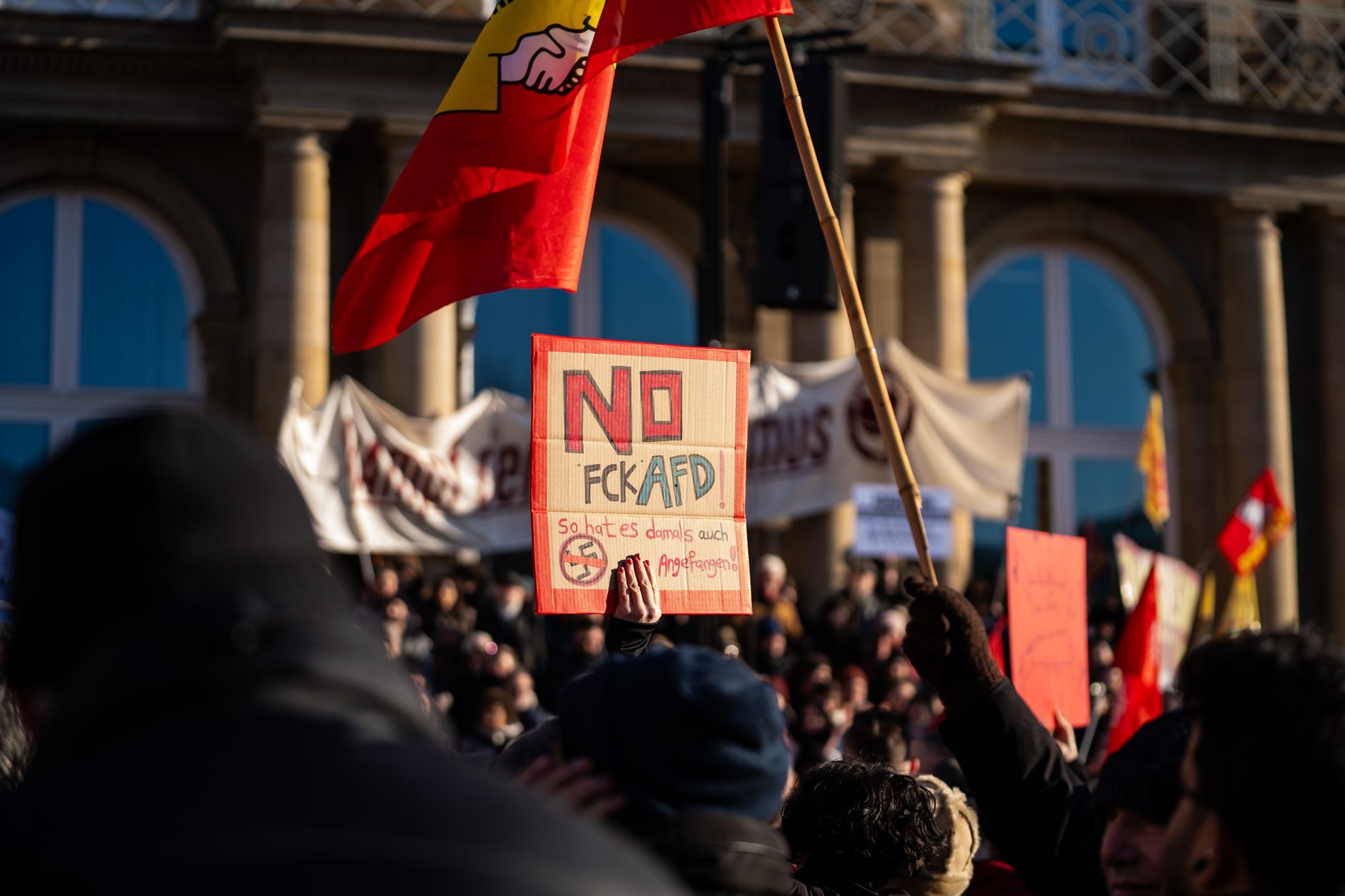
In the wake of Germany's recent state elections, the political centre appears to be unraveling. Chancellor Friedrich Merz finds himself in the eye of a political storm, as his party endured a bruising set of results.
In the region of Mecklenburg-Western Pomerania, the Alternative for Germany (AfD), a party known for its nationalist and anti-immigration stance, claimed a significant victory. Meanwhile, in Berlin, the Left Party, advocating for social welfare and tenant rights, emerged triumphant. These results underscore a worrying trend for Germany’s traditional centrist parties, which have long provided stability and moderation in the country's political discourse.
Signs of Polarisation
The electoral outcomes reflect a deeper polarisation occurring within German society. The AfD's success in Saxony-Anhalt, marked by its historic win, signalled the beginning of what some commentators describe as a 'new era'. The party's anti-establishment rhetoric has resonated with a segment of the electorate disillusioned by the status quo.
On the other side of the spectrum, the Left Party's rise is fuelled by growing frustration with economic inequality and housing issues. Their platform speaks to those who feel left behind by Germany’s economic success, offering a vision that challenges the neoliberal consensus.
Implications for German Politics
These shifts have profound implications for the future of German politics. As the centre loses its grip, the emergence of stronger left and right factions could lead to a more fragmented Bundestag. This fragmentation might complicate coalition-building, traditionally a hallmark of German governance.
Chancellor Merz, in a bid to steady the ship, has vowed to address the issues that have driven voters to the extremes. However, the task is Herculean, requiring not just policy adjustments but a reinvigoration of centrist ideals.
Germany’s political landscape, once a bastion of stability, is now marked by uncertainty. As parties on the fringes gain influence, the challenge for the centre is to adapt and resonate with an electorate in flux.