Ghana's Immunisation Success at Risk Amid US Aid Cuts
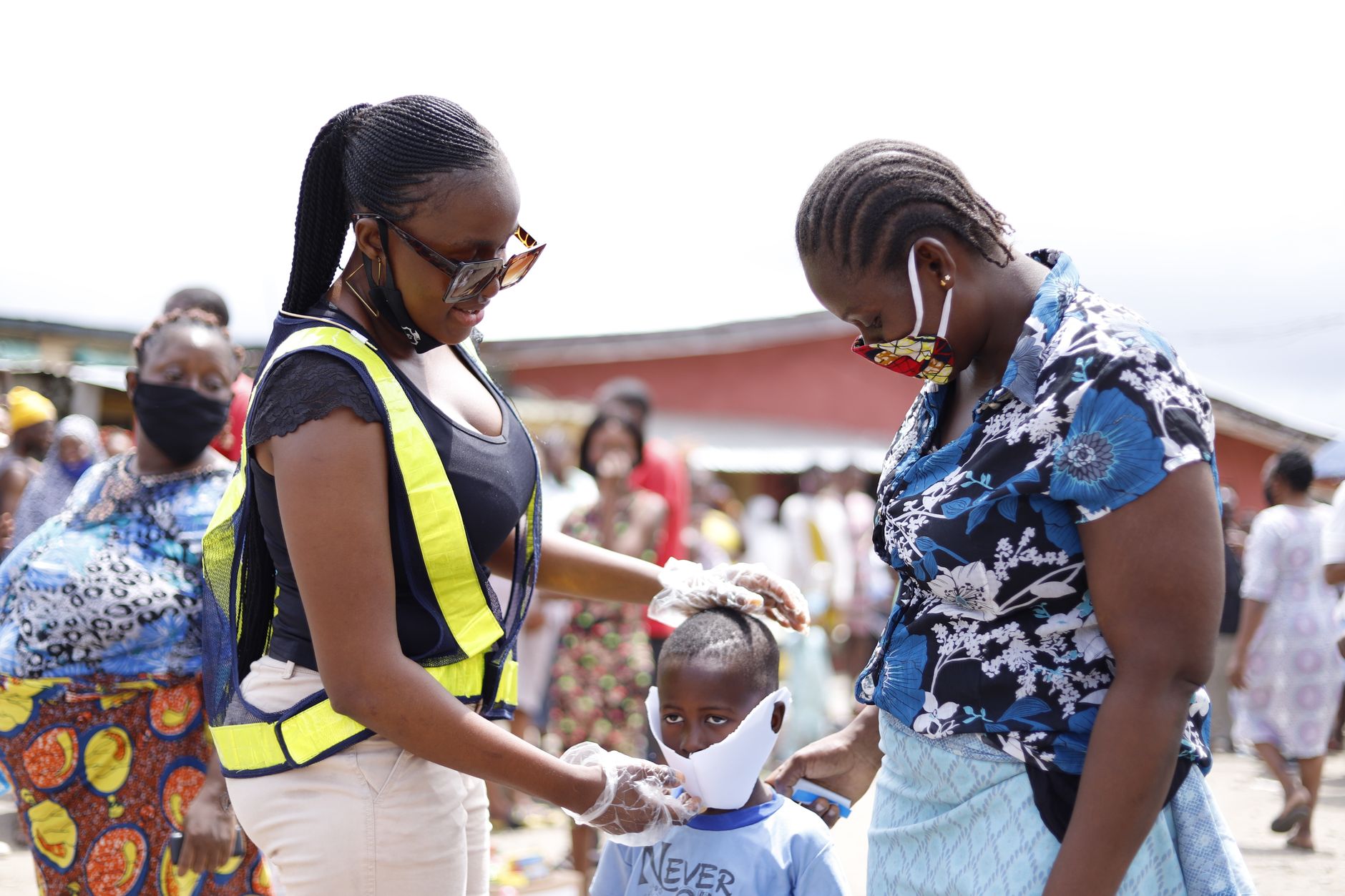
In the dusty corridors of Ghana's rural clinics, the atmosphere is one of quiet determination and underlying anxiety. Health workers, once buoyed by the optimism of increased vaccination rates, now face an unsettling future. Recent US aid cuts have cast a long shadow over the nation's immunisation achievements.
For years, Ghana has stood as a beacon of hope in Africa's battle against preventable diseases. The country's child immunisation programmes have been remarkably successful, with coverage exceeding 85% in regions like Oti. However, the World Health Organization (WHO) has raised concerns that these gains may be imperilled by financial constraints.
Dr Mohamed Janabi, WHO's Regional Director for Africa, has voiced fears that the progress made could unravel. Since the return of Donald Trump to the White House in 2025, aid cuts have been swift and substantial, affecting numerous health initiatives across the continent.
Vaccination efforts, particularly those targeting malaria, have been pivotal. New vaccines have brought Ghana closer to significantly reducing child mortality from the disease, a major killer in the region. Yet, with dwindling international support, the sustainability of these programmes is in jeopardy.
A Global Impact
The ramifications extend beyond Ghana's borders. Across Africa, vaccination programmes have reached over 500 million children since 2000, saving tens of millions of lives. However, the momentum is slowing, and experts warn of a potential backslide.
The crux of the issue lies in the dependence on foreign aid. With the US being a major donor, the recent cuts have left a void that other nations have struggled to fill. Organisations like Gavi, the Vaccine Alliance, have been instrumental, yet their resources are not infinite.
Seeking Solutions
In response, Ghanaian officials are urgently seeking alternative funding sources. There is a push for increased domestic investment in health, though this is easier said than done given the country's economic constraints.
The situation underscores the fragility of health systems reliant on external funding. As global economic and political landscapes shift, the precarious nature of aid-dependent programmes becomes starkly apparent.
For Ghana, the stakes are high. The potential rollback of immunisation gains is not merely a health concern but a humanitarian one. The country's children, and indeed the continent's future, hang in the balance.