Giant 'Terror Croc' Returns: A Prehistoric Predator Resurrected
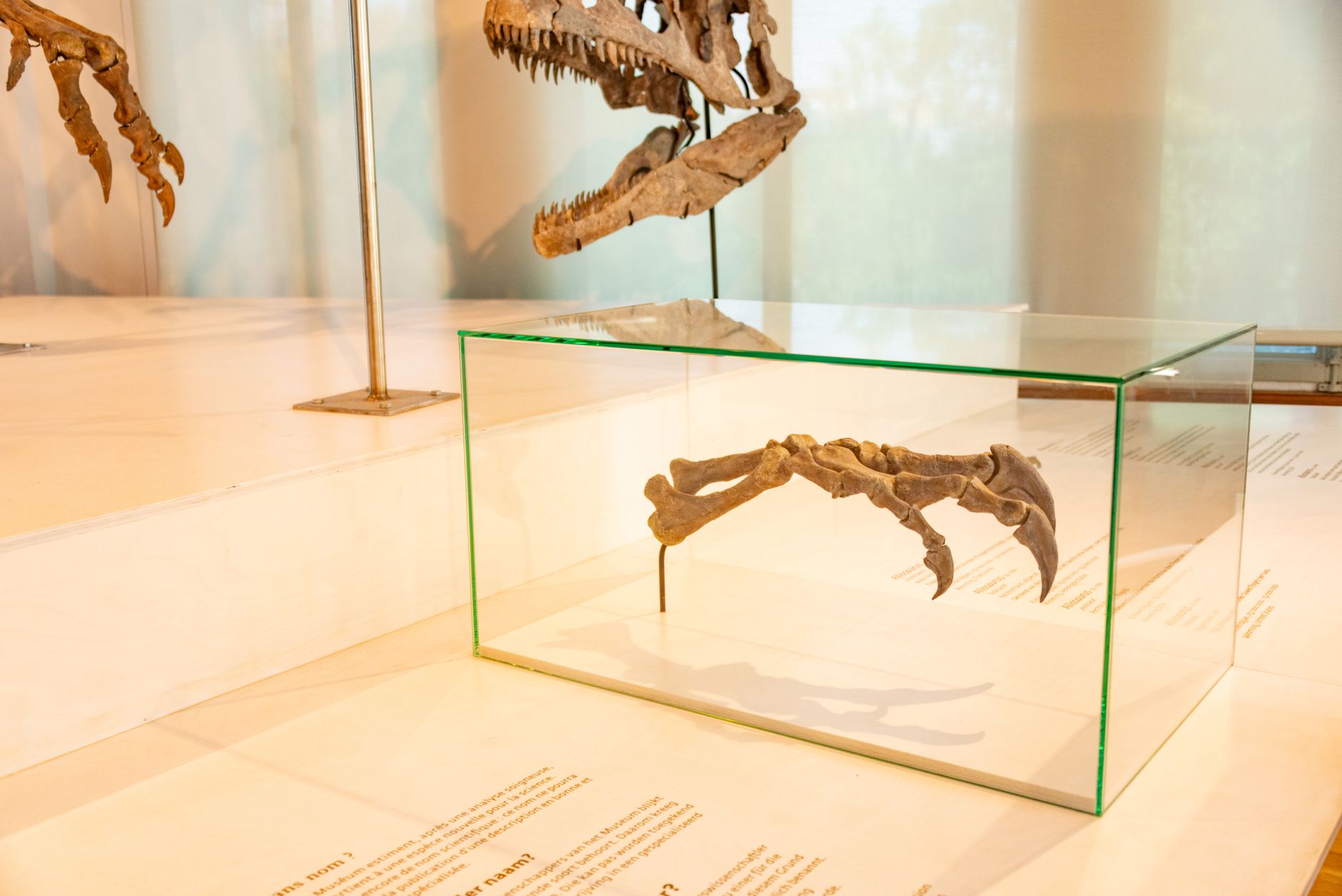
In the shadow of history's most fearsome predators, the Tyrannosaurus rex, emerges a creature that defies the imagination: the Deinosuchus, or 'Terror Croc'. Recently unveiled in a scientifically accurate, life-sized reconstruction, this colossal crocodilian once prowled the coastal waterways of what is now the eastern United States.
Stretching to an astonishing 31 feet, the Deinosuchus is no ordinary crocodile. Its teeth, as long as bananas, were designed to crush and tear through the flesh of unsuspecting dinosaurs, including the carnivorous therapods. With a bite force eclipsing that of the T. rex, this ancient predator was a formidable force in its ecosystem.
The reconstruction, painstakingly created over two years by the Triebold Paleontology team, is now perched ominously on a metal frame in a museum gallery. This project not only resurrects a prehistoric giant but also sheds light on the intricate power dynamics of ancient ecosystems.
Unearthing the Past
The Deinosuchus was first identified as a potential dinosaur predator when its fossilised remains were discovered. However, new research confirms its status as a top predator of its time. The revelation of its true size and power has reignited interest in the Cretaceous period, a time when such giants ruled the earth.
With its perfected death-roll technique, the Deinosuchus could drag even the most unwary of dinosaurs into murky depths. This technique, still used by modern-day crocodilians, underscores the evolutionary success of these ancient reptiles.
A Window into Prehistory
The life-sized model serves as a tangible reminder of Earth's distant past. It highlights the evolutionary lineage that connects today's alligators and crocodiles to their formidable ancestors. As visitors stand before this reconstructed terror, they are not merely gazing at bones but peering into a world where dinosaurs themselves were prey.
The Deinosuchus' return, albeit in skeletal form, is a testament to the enduring fascination with Earth's prehistoric inhabitants and the ever-evolving pursuit of scientific discovery.