Glacial Collapse, Not Earthquake, Behind Nepal's Flash Floods, Confirms USGS
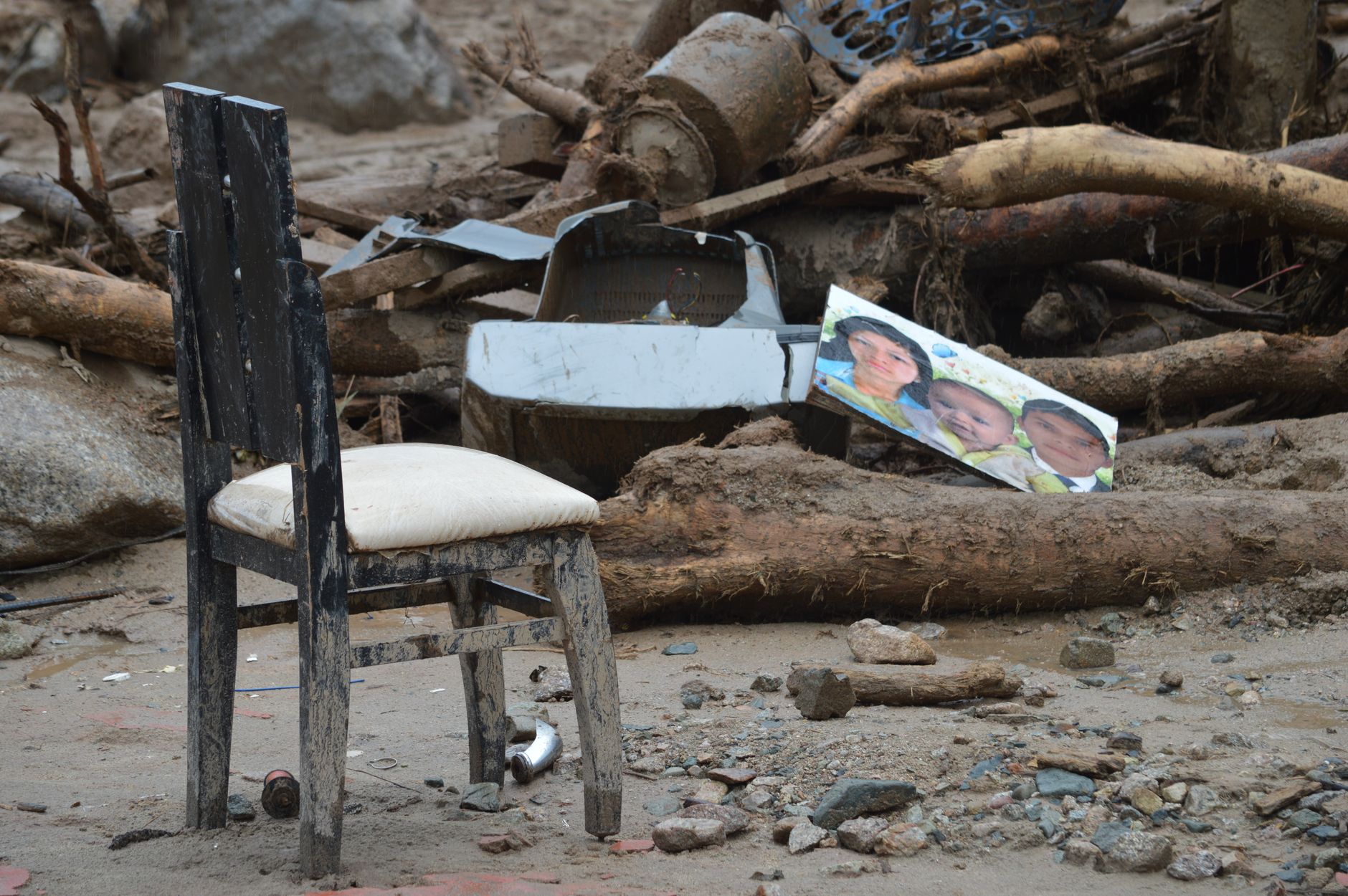
The serene landscapes of Nepal and Tibet were recently marred by devastating flash floods, sparking fears and confusion. Initial speculations pointed to an earthquake as the culprit. However, the US Geological Survey (USGS) has now provided a crucial clarification: the disaster was not seismic in nature, but rather a consequence of a massive glacial collapse.
According to the USGS, the collapse mimicked the force of a magnitude 5.2 earthquake, releasing a deluge of ice, rock, and water downstream. This revelation sheds light on the vulnerability of glacial environments, which are increasingly unstable in the face of climate change. Local communities, caught off guard, suffered significant losses, both in lives and livelihoods.
Rethinking the Cause
While initial reports from Nepali officials suggested seismic activity, this new information underscores the complex dynamics at play in glacial regions. The USGS's findings highlight the need for improved monitoring and early warning systems in these sensitive areas, where climate change is accelerating the risks.
The catastrophic impacts of the glacial collapse have prompted renewed calls for international cooperation on climate action. As the world grapples with the realities of global warming, the incident in Nepal serves as a stark reminder of the urgent need for comprehensive strategies to mitigate such disasters.
Implications for the Future
Experts emphasise that the incident is not an isolated case but part of a broader trend of glacial instability. As temperatures continue to rise, similar events may become more frequent, posing significant challenges for regional and global policymakers.
The Nepalese government, alongside international partners, is now tasked with rebuilding and reinforcing infrastructure to withstand future shocks. As the dust settles, the focus remains on resilience and adaptation in a rapidly changing world.