Glacial Melts in Nepal: A Looming Threat to the Himalayas
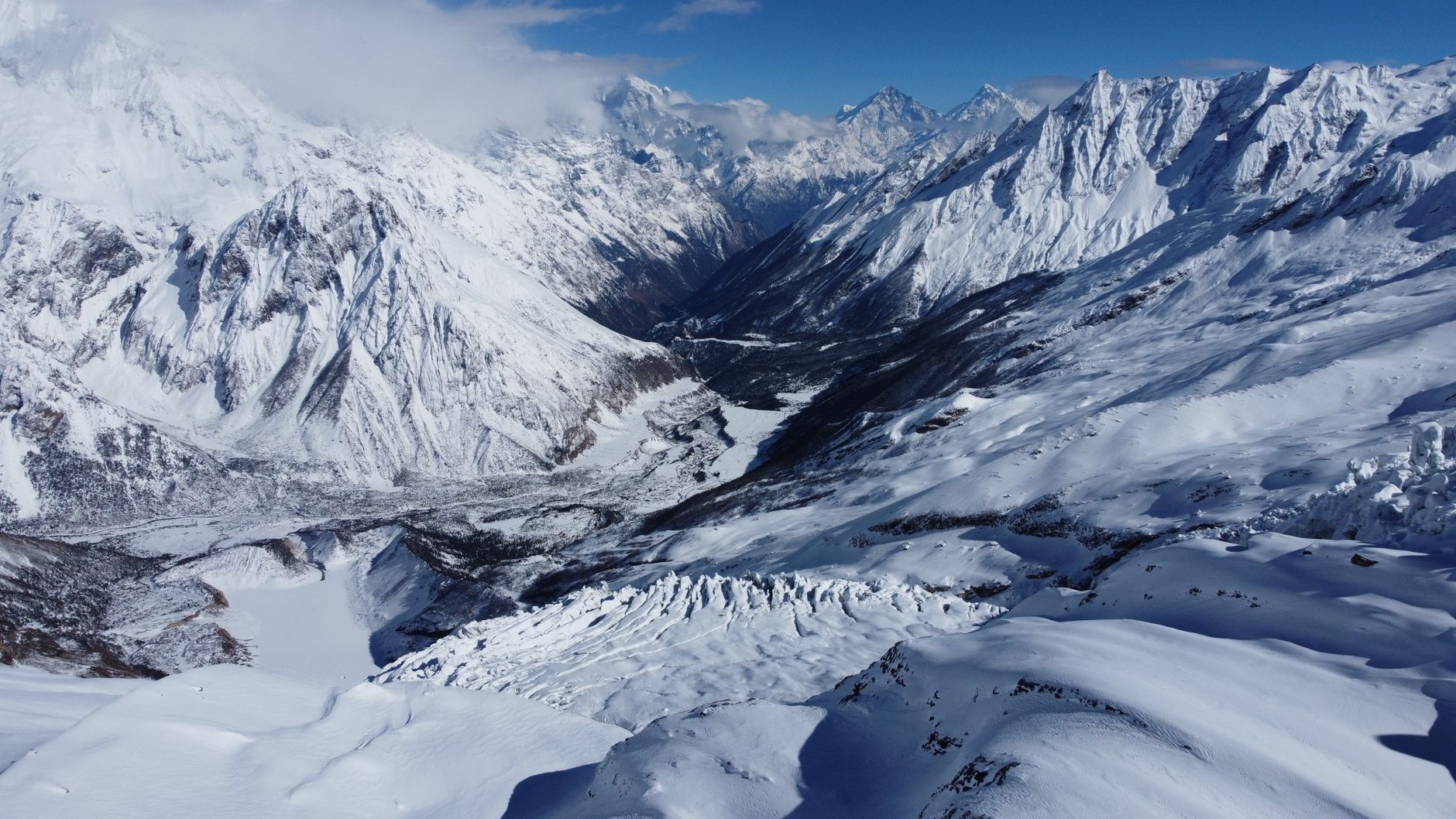
High above Nepal's rugged terrain, the majestic glaciers are silently receding, leaving behind a trail of destruction that could spell disaster for the region. The Himalayas, often referred to as the 'third pole', are rapidly losing their icy mass, a situation that scientists warn is exacerbated by climate change and tectonic movements.
The Langtang catchment area, a significant victim of this phenomenon, has experienced a dramatic increase in glacier loss rates since 1964. According to recent studies, these rates have surged more than fourfold, raising alarms not only for Nepal but also for its neighbour, India. The shared mountain system means that the repercussions of these glacial movements are far-reaching.
Natural Forces at Play
Nepal sits precariously at the crossroads of two colossal tectonic plates: the Indian plate and the Eurasian plate. These plates collide at a staggering pace of approximately 20 millimetres per year. Coupled with the accelerated warming of the atmosphere, this collision is a recipe for glacial instability. This was tragically demonstrated in a recent disaster when a massive glacier collapse near the Tibet border unleashed a torrent of destruction.
While scientists continue to estimate the extent of the glacier collapse, initial reports suggest it could involve anything from half a million to tens of millions of cubic metres of ice. Such catastrophic events have highlighted the urgent need for comprehensive monitoring and adaptive strategies to mitigate the impacts of these natural forces.
Implications for India
The implications of Nepal's glacial environment extend beyond its borders, serving as a stark warning for India. The Indian Himalayas, home to thousands of glaciers and numerous glacial lakes, are equally vulnerable. The potential for similar disasters looms large, necessitating a coordinated regional effort to bolster resilience against these environmental challenges.
As the glaciers continue to melt, the frequency of glacial lake outburst floods (GLOFs) is expected to rise, with devastating consequences for communities residing in the valleys below. These floods can cause significant loss of life and property, underscoring the urgent need for strategic planning and infrastructure adaptation.
In conclusion, the melting glaciers of Nepal are not just a local issue but a regional crisis in the making. As scientists and policymakers grapple with the complexities of climate change and tectonic dynamics, the need for collaborative action has never been more pressing.