Glasgow 2026: The Slimmed-Down Games Sparking Controversy
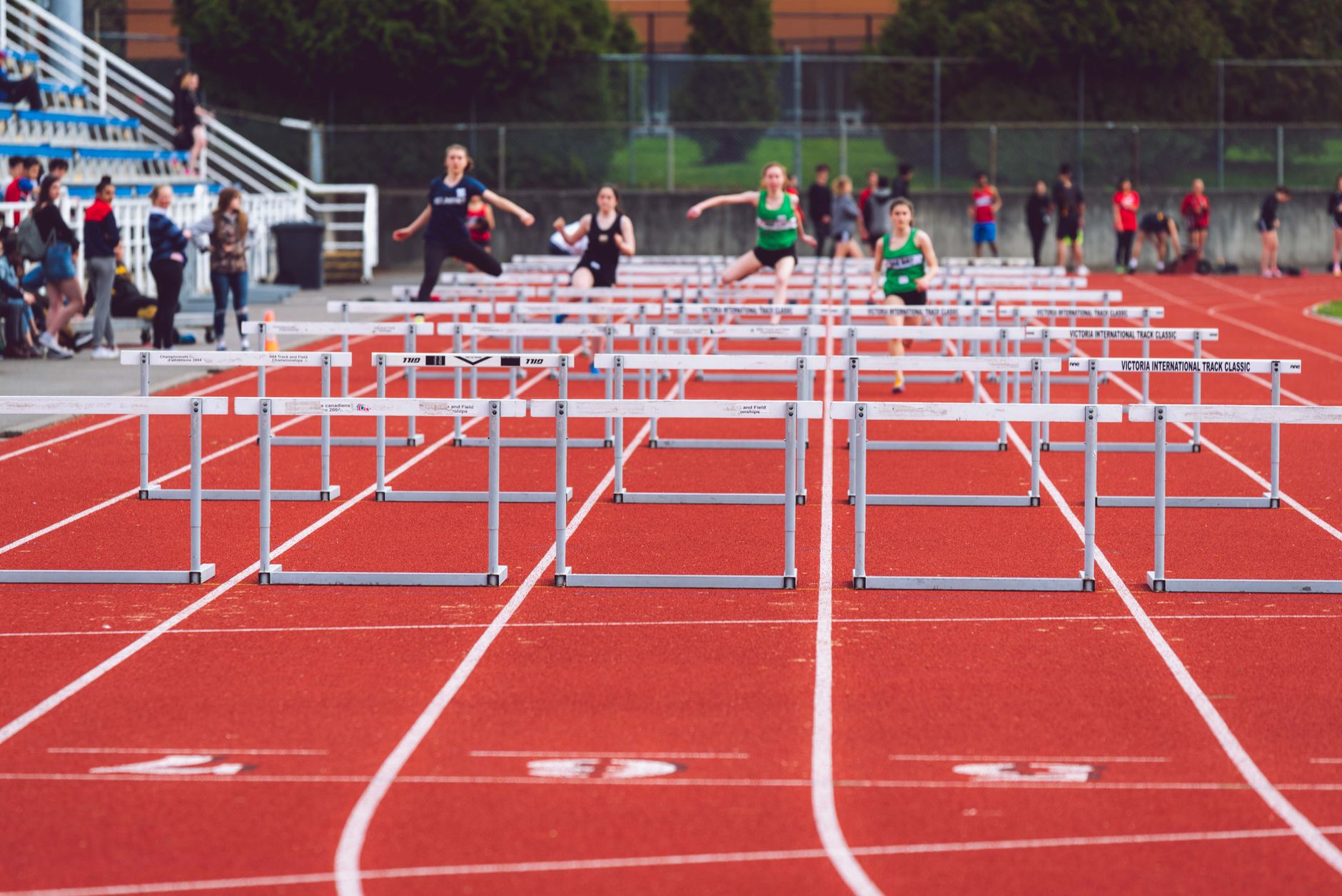
The decision to slash the number of sports at the 2026 Commonwealth Games in Glasgow to a mere ten has sparked a mélange of reactions across the sports world. Gone are the likes of hockey, badminton, and seven other disciplines, marking a shift towards a more minimalist approach to these historic games.
The Rationale Behind the Cuts
Organisers have defended the decision, citing the need for a leaner, more economically viable event. With the global economic uncertainty, the Commonwealth Games Federation has opted for a pragmatic approach, favouring sustainability over tradition. The reduced number of sports is intended to cut costs and logistical complexities, a move that some believe could set a precedent for future international sporting events.
Yet, this has not been without its detractors. For nations like India, the absence of sports such as badminton and hockey is a significant blow. These disciplines have historically been strongholds for Indian athletes, who often find themselves atop the medal podium. The change is seen by some as a diminution of opportunities for countries that rely on these events to bolster their international sporting profiles.
Geopolitical and Sporting Repercussions
Beyond the immediate financial implications, the decision carries geopolitical weight. The Commonwealth Games have long been a stage for soft power, where nations showcase their prowess and forge diplomatic ties. With fewer sports, there are fewer chances for smaller nations to make their mark, a fact that could alter the competitive balance and the games' appeal.
In the Pacific and other regions where sports like rugby sevens are cultural staples, the absence from Glasgow's programme is a disappointment. Critics argue that this could diminish local interest and participation, potentially weakening the games' global reach.
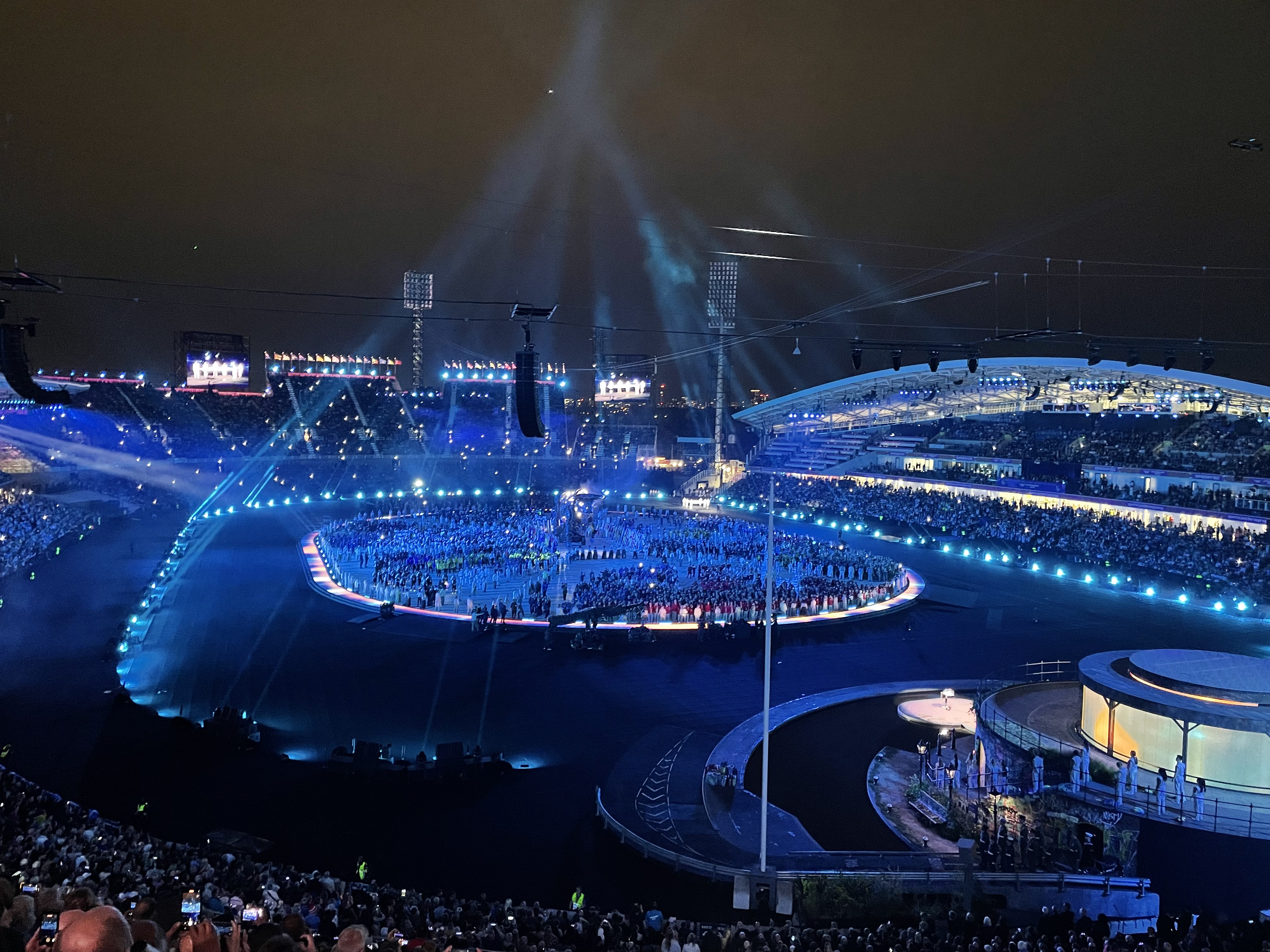
As Glasgow prepares to host these pared-down games, the world watches closely. This experiment in economic efficiency may well redefine the future of the Commonwealth Games, balancing the scales between tradition and necessity. Whether this model will indeed be the saviour of the games or its undoing remains the subject of fervent debate.