Global Call to Strengthen Breastfeeding Support Systems
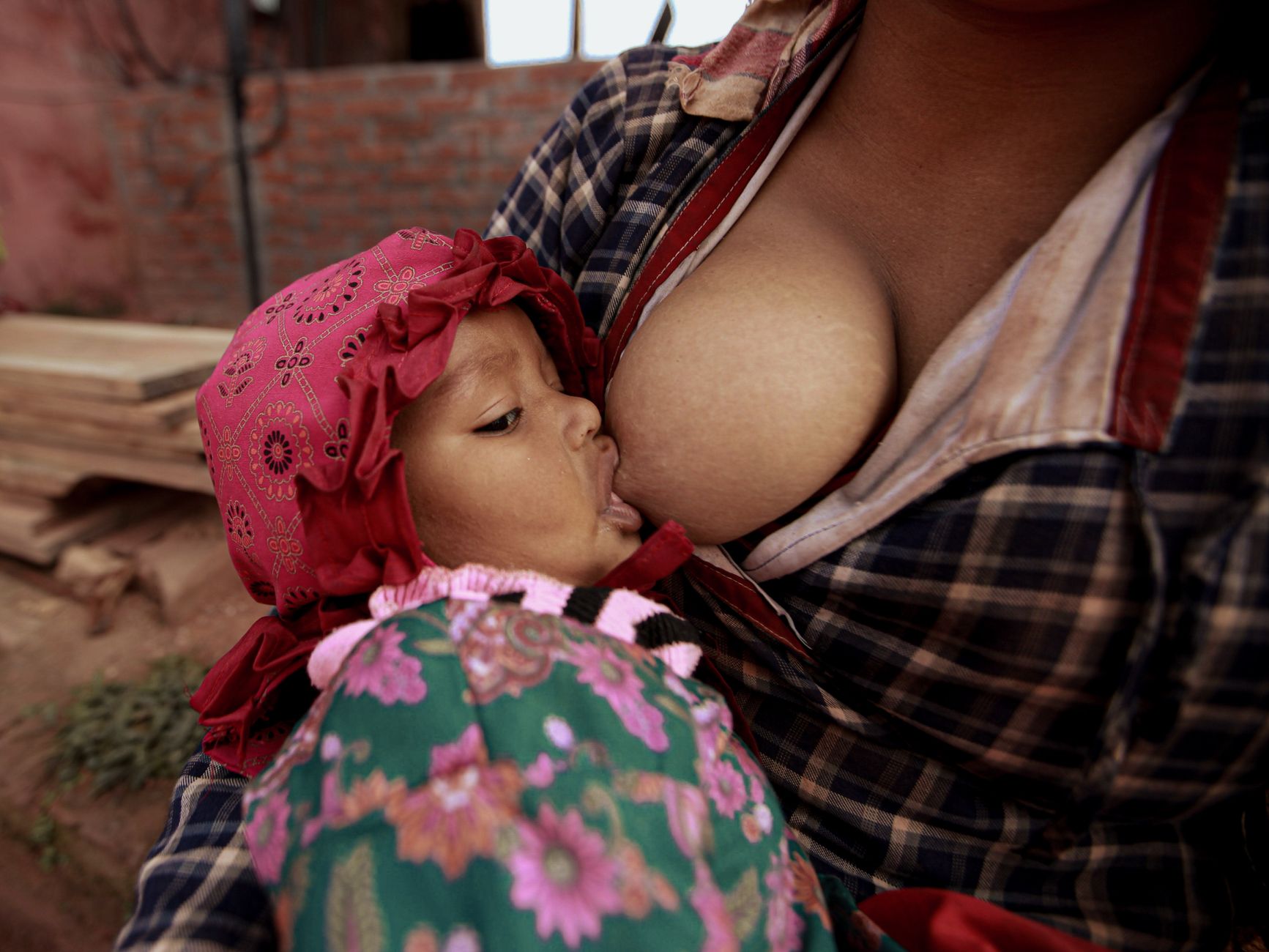
"Breastfeeding is not just a personal choice; it is a public health priority," declared WHO Director-General Dr Tedros Adhanom Ghebreyesus, as he, alongside UNICEF Executive Director Catherine Russell, called on governments worldwide to enhance their support structures for breastfeeding. This appeal is not merely about health; it's about ensuring every child begins life on equal footing.
The call to action comes amidst growing concerns over the adequacy of current health systems in providing necessary breastfeeding support. Many mothers face hurdles, from lack of information to insufficient healthcare services, which can impede their ability to breastfeed effectively. Dr Tedros emphasised, "Strengthening health systems to support breastfeeding is not just a health imperative, it is a moral and economic imperative."
The Economic and Social Imperative
Investing in breastfeeding support transcends health benefits alone. It is economically prudent. According to UNICEF, breastfeeding contributes to higher intelligence scores and better academic performance, which translates into greater economic productivity in the long run. Yet, the economic argument is often overshadowed by immediate fiscal constraints faced by many countries.
Moreover, breastfeeding can reduce healthcare costs associated with infant illnesses, such as diarrhoea and pneumonia, which are more prevalent among formula-fed infants. Catherine Russell noted, "By investing in proven solutions, we can give every child the best possible start in life and ensure every mother gets the care and services she needs."
Challenges and the Path Forward
Despite the clear benefits, several challenges persist. Cultural barriers, misinformation, and insufficient maternity leave policies often hinder breastfeeding practices. The WHO and UNICEF are advocating for comprehensive strategies that include public education campaigns, training for healthcare providers, and policies that support paid maternity leave.
The path forward requires a multi-pronged approach, combining policy reform, community engagement, and international cooperation. Such efforts aim to create an environment where breastfeeding is not only encouraged but facilitated at every level.
As countries heed this call, the hope is to see a world where every child enjoys the healthiest start possible, unencumbered by preventable obstacles. In this quest, the role of governments, healthcare providers, and communities is paramount, as they work together to nurture the foundation of future generations.