Global Education Gaps Narrow, But Early Marriage Persists
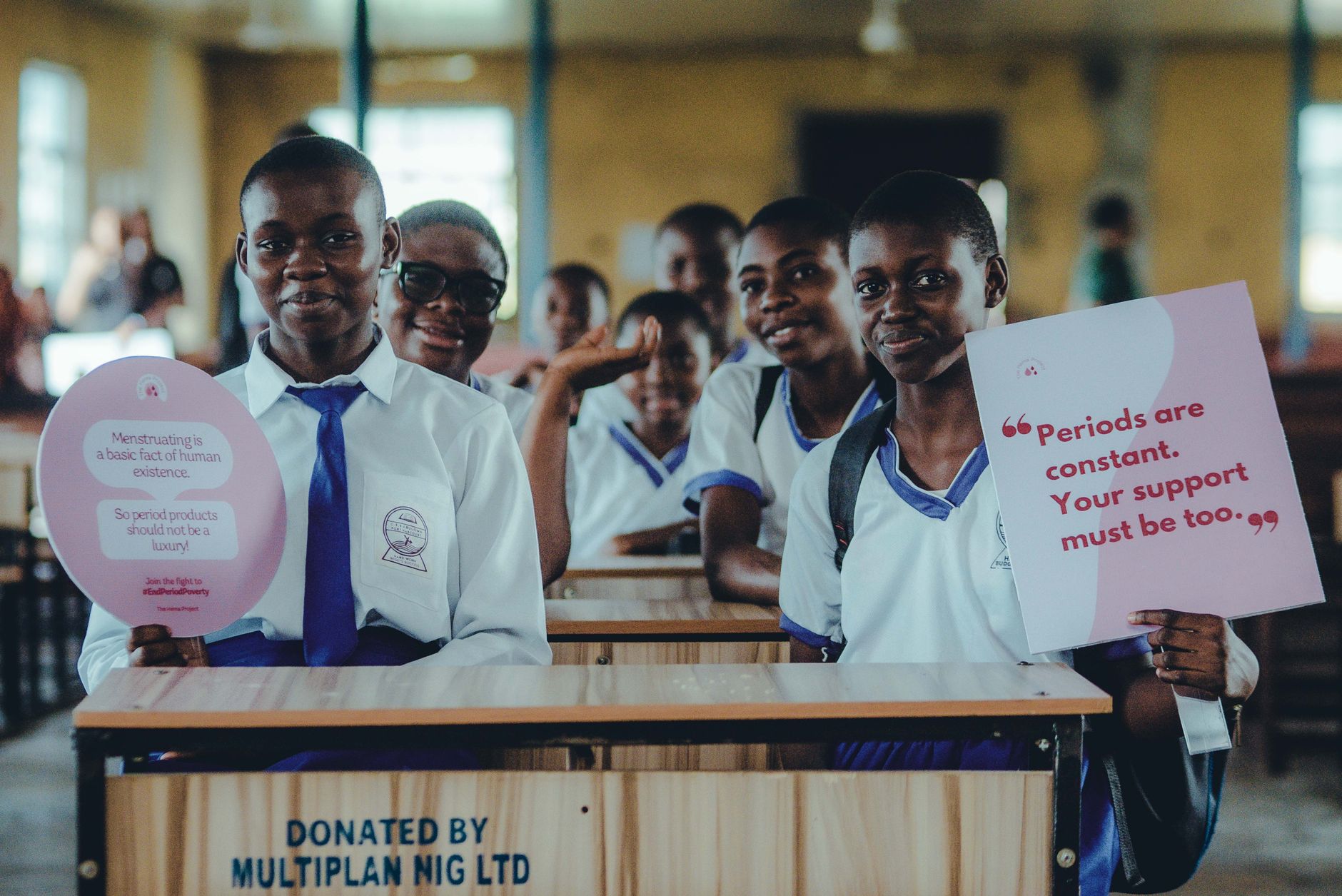
In a world where education is increasingly seen as a key to unlocking potential, a persistent barrier continues to thwart progress for many girls: early marriage. Despite significant strides in narrowing the gender gap in education worldwide, UNESCO's latest report reveals that child marriage remains a stubborn obstacle.
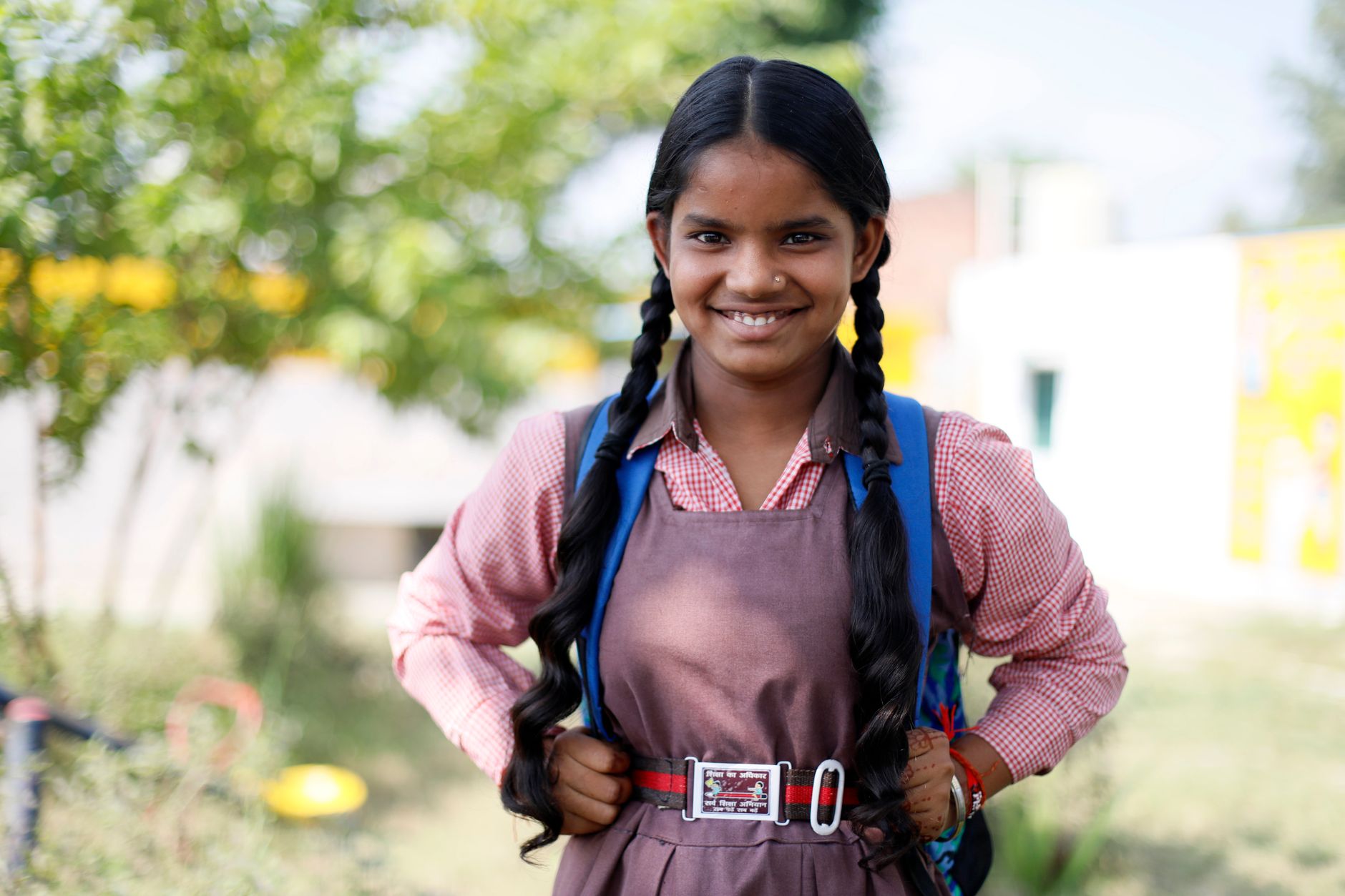
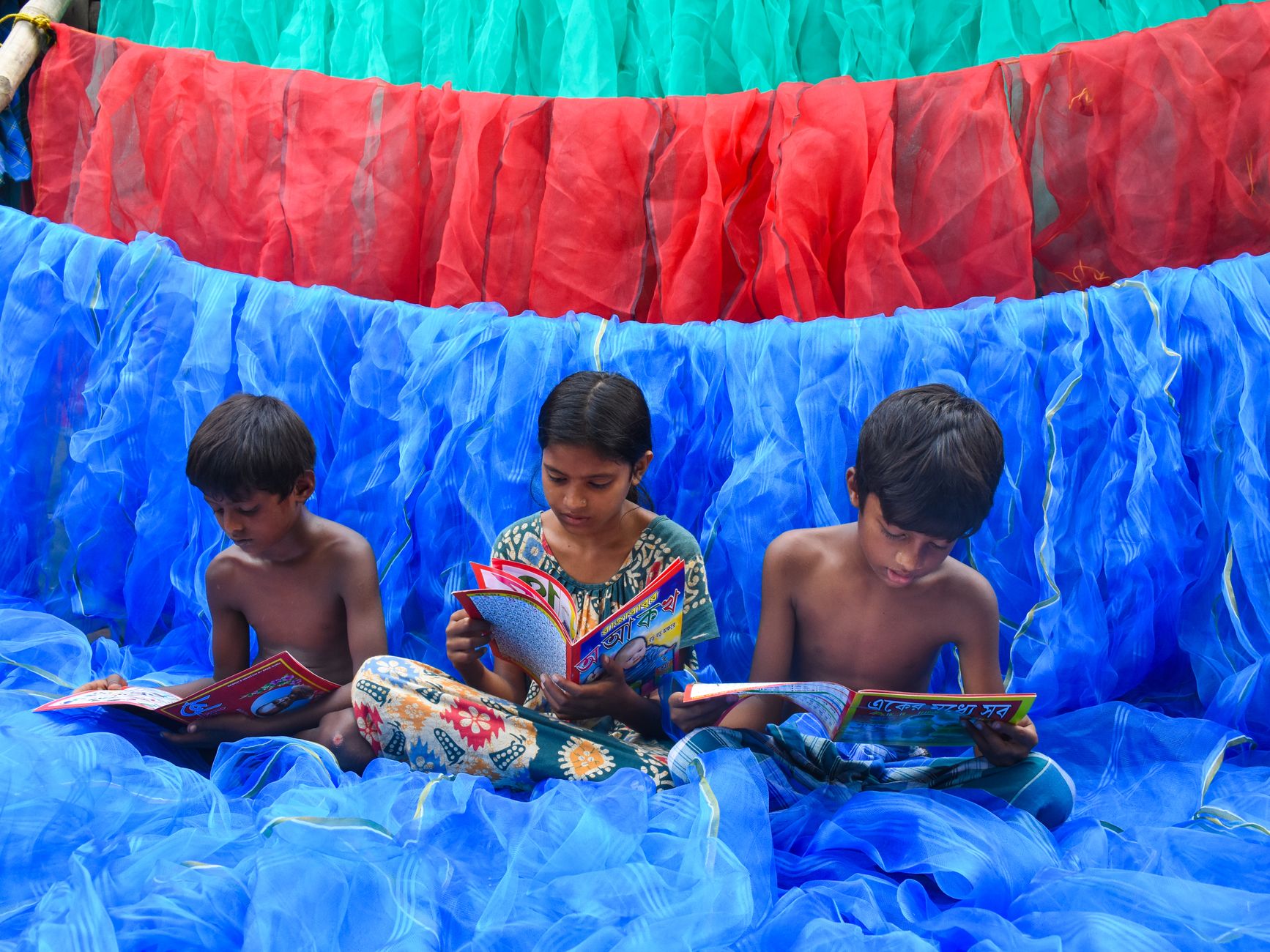
As we approach the International Day of the Girl Child, the report highlights a dual narrative. On one hand, global efforts have successfully reduced the number of girls out of school, and in some regions, girls are even beginning to outperform boys at early educational stages. Yet, this progress is overshadowed by the grim reality that far too many girls are still being married off young, with education sidelined in favour of early domestic responsibilities.
The Shadow of Child Marriage
Child marriage is not merely a cultural relic but a complex issue intertwined with poverty, lack of education, and societal expectations. In many parts of the world, girls are viewed as economic burdens, and marriage is seen as a means to alleviate financial strain on families. This perspective not only truncates girls' educational journeys but also perpetuates a cycle of poverty and limited opportunity.
UNESCO's findings indicate that while the share of girls married before 18 has decreased globally, the numbers remain troublingly high in certain regions. Furthermore, a dishearteningly low number of these young brides return to education post-marriage or childbirth, leaving their futures largely confined to domestic roles.
Breaking the Cycle
Addressing this issue requires more than just educational reforms; it demands a holistic approach involving economic support and community engagement. Policies that provide alternative pathways for girls, such as vocational training and financial incentives for continued education, are vital. Moreover, raising awareness and changing cultural perceptions around the value of girls' education can make a substantial impact.
As the world observes the International Day of the Girl Child, the call for action is clear. Empowering girls through education is not just a moral obligation but an economic and social imperative. By dismantling the barriers of early marriage and supporting young mothers in education, we pave the way for a more equitable and prosperous future.