Global Health Agendas Set at WHA79 Amidst Urgent Challenges
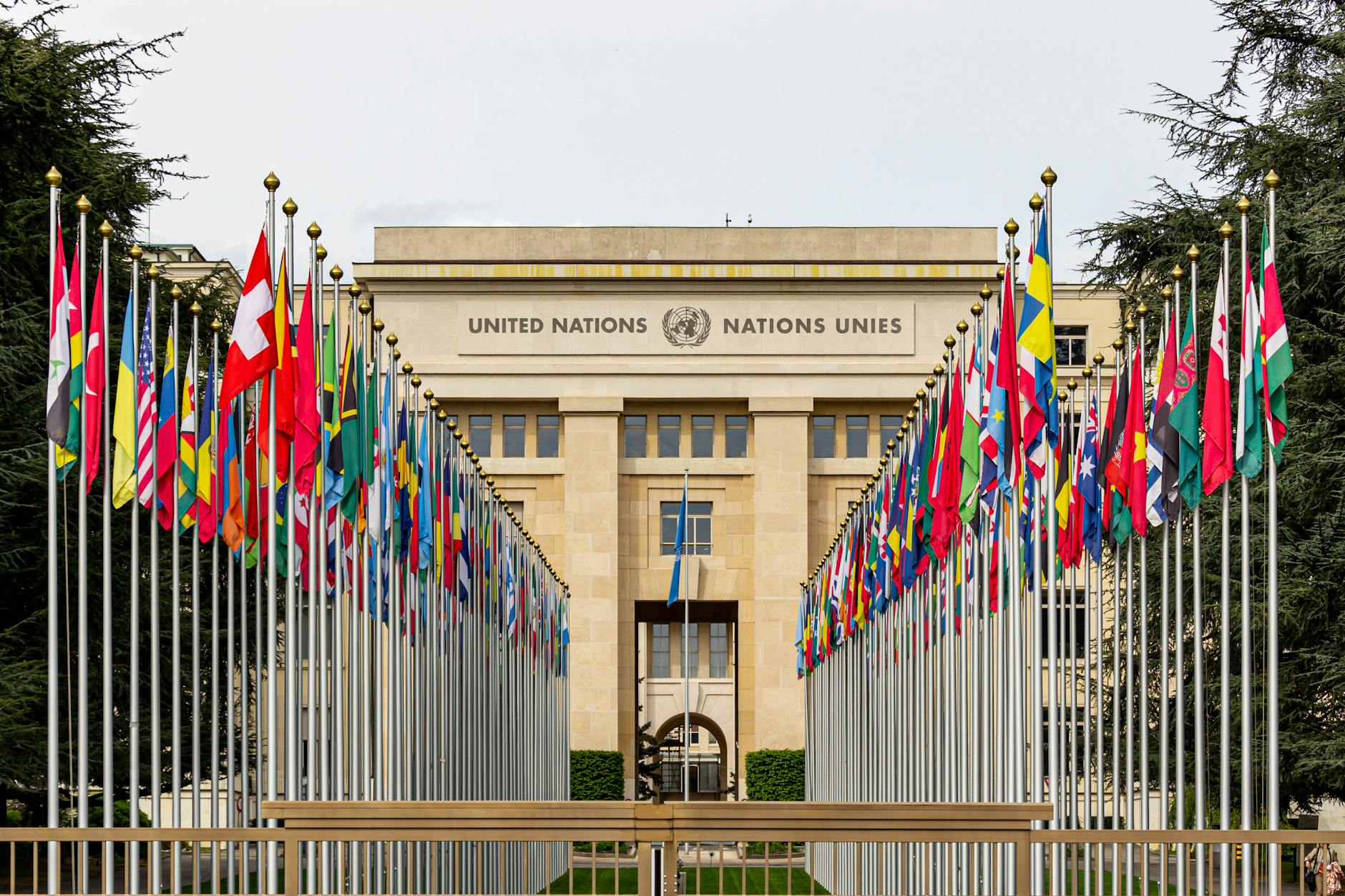
In the grand halls of the Palais des Nations, Geneva, the 79th World Health Assembly (WHA79) concluded with an urgent call for collective action against the backdrop of mounting global health crises. The assembly, which drew delegations from over 190 countries, was not just a routine meeting but a critical juncture for shaping the future of global health policy.
Under the resonant theme 'Reshaping global health: a shared responsibility', this year's assembly tackled issues that transcend borders. The discussions were sharply focused on recent outbreaks of diseases like hantavirus and Ebola, alongside broader challenges such as economic instability and climate change. WHO Director-General Tedros Adhanom Ghebreyesus, in his opening remarks, underscored the necessity for nations to unite in addressing these multifaceted threats.
A significant resolution passed during the assembly was the First Resolution on Radiation and Health, aimed at strengthening national systems for both ionising and non-ionising radiation protection. The initiative highlights the increasing recognition of radiation as a critical public health issue, reflecting a proactive stance in safeguarding populations.
Another strategic move was the adoption of the 'Strategy on the economics of health for all (2026–2030)'. This comprehensive framework seeks to integrate health considerations into economic, fiscal, and industrial policies, a nod to the interconnectedness of health and economic stability. As global economies reel from recent crises, this strategy aims to ensure that health remains a central pillar in policy-making.
The assembly's outcomes are more than mere resolutions on paper; they represent a commitment to action in a world where health challenges increasingly ignore borders. The WHA79 has not only highlighted the pressing issues but has also set a collaborative agenda for the future. As nations return home from Geneva, the real work begins in translating these resolutions into tangible health improvements for populations worldwide.